
Top Beauty Influencers
Looking for beauty influencers? You're in the right place. This page ranks the segment's standout accounts by reach, pulled from InstMe's index spanning millions of profiles across several social networks. Creators here average 172.1K followers and 7.75% engagement, and the list quietly refreshes itself as our pipeline rescans profiles.
Beyond the ranking, the market snapshot further down breaks the segment into account sizes and platforms, so you can tell at a glance whether this niche is dominated by big established names or fast-moving smaller creators. Every profile links to a full free report.
Millions
Profiles indexed across networks
172.1K
Avg. followers
7.75%
Avg. engagement
79%
Recently active
39.4%
Verified accounts
Top 21 creators
Ranked by followers
Katrina Kaif
@katrinakaif
80M
3.4% ER
HUDA BEAUTY
@hudabeauty
56.1M
0.1% ER

Camila Pudim
@camilapudim
31.9M
0.0% ER
Mari Maria
@marimaria
20.8M
0.3% ER
Luisa Fernanda
@luisafernandaw
19M
0.6% ER
Anastasia Beverly Hills
@anastasiabeverlyhills
18.3M
0.1% ER
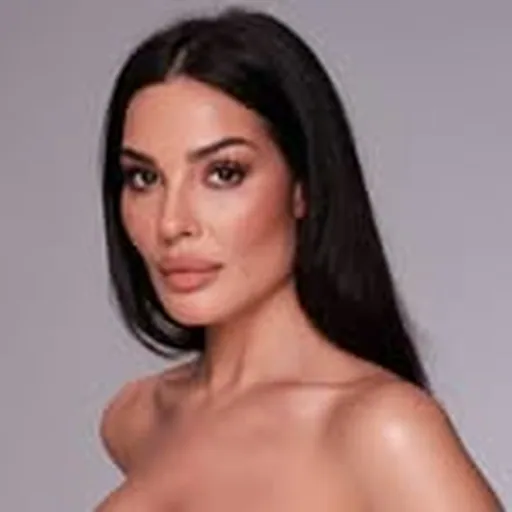
Nadine Nassib Njeim
@nadine.nassib.njeim
17.1M
0.1% ER
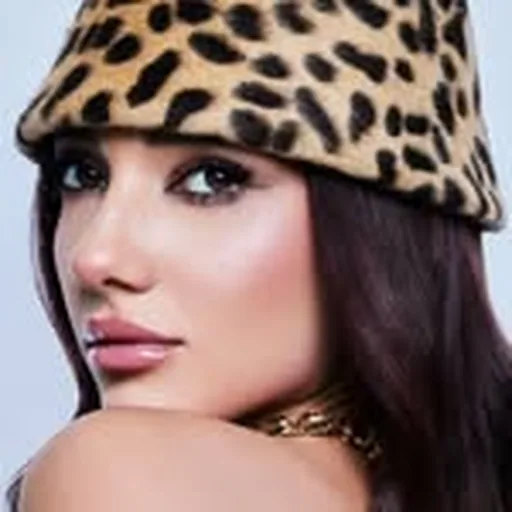
Narin’s Beauty
@narins_beauty
16.8M
3.8% ER

Nadina Ioana
@nadina_ioana
16.3M
0.0% ER

Ashley French
@ashleytisdalefrench
15.5M
0.0% ER
Dior Beauty Official
@diorbeauty
14.3M
0.0% ER

MAKEUP BY MARIO
@makeupbymario
13.9M
0.0% ER

Виктория Боня
@victoriabonya
13.7M
0.5% ER
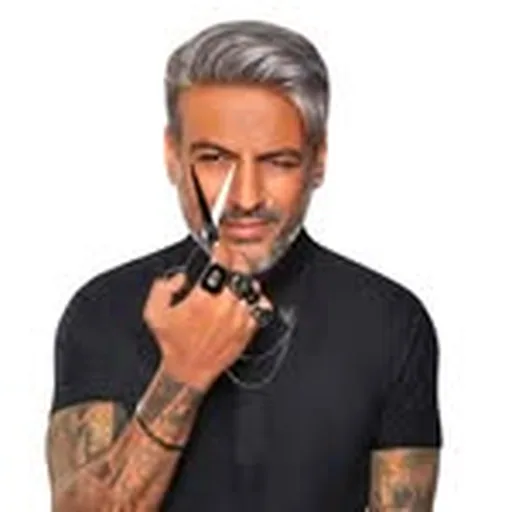
Aalim Hakim
@aalimhakim
11.9M
0.6% ER

ZUHAIR MURAD
@zuhairmuradofficial
11M
0.2% ER
WAKE UP AND MAKEUP
@wakeupandmakeup
10.5M
0.0% ER
Camila Figueiredo Coelho
@camilacoelho
10.5M
0.4% ER
SG
@suicidegirls
8.8M
0.2% ER
Rare Beauty by Selena Gomez
@rarebeauty
8.6M
0.9% ER

Camila Pudim 🍮💜
@camilapudim
7.7M
2.1% ER
Paula | Makeup Skincare Beauty fashion
@pautips
7.6M
0.7% ER
This is just the top of the list — millions of profiles across several social networks
Sign up free to browse the full segment, filter by size, engagement and location, and export shortlists.
Unlock the full list — free
instme Top Beauty Influencers — ranked live
About the beauty influencers space
Tutorials, routines and product-led beauty voices
Beauty influencers cover a wide range of content, from makeup tutorials, skin-care routines and fragrance reviews to hair styling, nail art, cosmetic procedures, ingredient education and get-ready-with-me videos. The strongest creators usually have a recognizable point of view: minimalist skin care, full-glam makeup, acne-prone skin, textured hair, mature beauty, budget dupes, luxury hauls or professional artistry.
Audiences come for usefulness first. They want to see how a product applies, wears, blends, layers and looks in real lighting. On Instagram, that often means Reels, carousels, Stories and before-and-after posts. On TikTok, short demonstrations, trend-led transformations and honest first impressions are common. On YouTube, longer reviews, empties videos, routine breakdowns and wear tests help audiences make higher-consideration decisions.
Creator archetypes vary from trained makeup artists and dermatology-adjacent educators to everyday reviewers with highly trusted taste. In this segment, the account-size mix is weighted toward smaller communities: micro creators make up 54% and nano creators 24%, while mid, macro and mega accounts represent smaller shares. That matters because beauty recommendations often depend on personal similarity, not just reach.
See how it stacks up next to top influencers and top music influencers before you shortlist.
Proof on skin is what makes beauty content convert
Visible results, credible application and clear shade or skin-type context usually outperform polished product shots. A foundation review is stronger when the creator shows texture, lighting changes and wear after several hours. A serum post is more persuasive when expectations are realistic and the creator explains who it may or may not suit.
Work backwards from that proof. Effective formats include step-by-step tutorials, side-by-side comparisons, first impressions, routine integrations, empties reviews, launch swatches, ingredient explainers and problem-solution videos. For color cosmetics, shade range and application technique matter. For skin care, brands should allow enough time for routine testing and should avoid forcing instant-result claims where they do not fit the product.
Pricing is driven by more than follower count. Factors include video production quality, usage rights, exclusivity, category demand, professional credentials, platform mix, audience geography, product complexity and whether the creator is expected to film multiple looks or long-form testing. A verified profile can also affect perceived authority; in the aggregate data for this segment, 44.8% of profiles are verified. Still, the best collaborations give creators room to describe real trade-offs, because overly scripted beauty content can reduce trust quickly.
For briefs, pricing benchmarks and outreach templates, read our guide to influencer marketing for beauty brands.
Signals of real beauty influence to check before outreach
Beauty audiences leave evidence in the comments. Look for questions about shade matching, skin type, wear time, ingredient compatibility, tools, dupes and where a product fits in a routine. Comments that show intent or personal relevance are more useful than generic compliments. Saves, shares and repeat tutorial viewing can also indicate that the content helps people make decisions.
The average follower count in the segment is 390,827 and the average engagement rate is 5.57%, but those figures should be treated as context, not a target. A smaller creator with consistent comments from people who share their skin concerns, hair texture or makeup style may be more valuable than a larger account with passive reach. Engagement quality, audience fit and content consistency are especially important in beauty because recommendations are personal and often tied to identity, budget and appearance.
Red flags include heavy filter use without disclosure, inconsistent product opinions, frequent unsupported claims, copied trend content with little original insight, suspicious engagement spikes and comments that do not match the creator’s stated audience. Also review how often sponsored posts appear and whether the creator maintains credibility when content is paid.
Current beauty content is moving toward practical proof: unfiltered texture, wear tests, skin cycling and barrier care, multi-use products, inclusive shade demonstrations, affordable alternatives and routine simplification. Creators who can explain why something works, not just show that it looks good, are usually stronger partners.
Skip the manual checks — InstMe's influencer search platform surfaces these signals automatically in every free report.
Market snapshot
How this segment breaks down by account size and platform — updated Sep 19, 2026.