
Top Fitness Influencers
How does the market for fitness influencers actually look? In short: the segment averages 284K followers at 10.04% engagement, and 76% of it is nano or micro accounts — the tier most brands lean on for authentic, budget-friendly collaborations. The data comes from InstMe's index of millions of profiles across several social networks.
Below you'll find the current top creators, a snapshot of how the segment splits by account size and platform, and answers to the questions brands ask us most. Everything refreshes automatically as our pipeline rescans profiles.
Millions
Profiles indexed across networks
284K
Avg. followers
10.04%
Avg. engagement
77%
Recently active
51.8%
Verified accounts
Top 21 creators
Ranked by followers
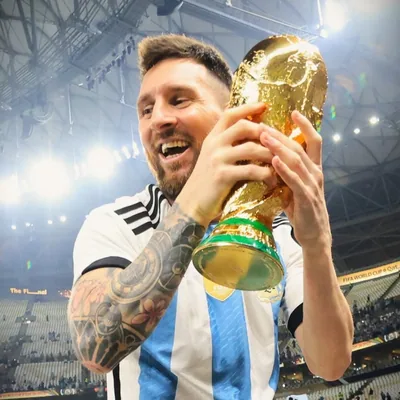
Leo Messi
@leomessi
515.6M
1.0% ER

Neymar Jr
@neymarjr
241.9M
1.8% ER
Kylian Mbappé
@k.mbappe
135M
3.0% ER
Paul Labile Shakur Pogba
@paulpogba
63.6M
0.9% ER
Erling Braut Haaland
@erling
58.8M
10.4% ER
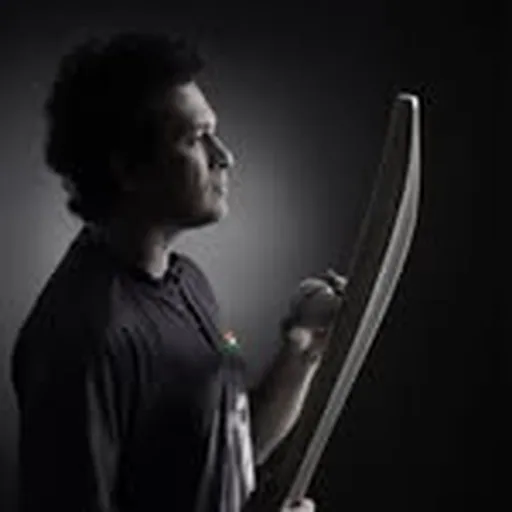
Sachin Tendulkar
@sachintendulkar
51.9M
1.8% ER

Gareth Bale
@garethbale11
51.2M
0.3% ER

Hardik Pandya
@hardikpandya93
44.9M
10.0% ER
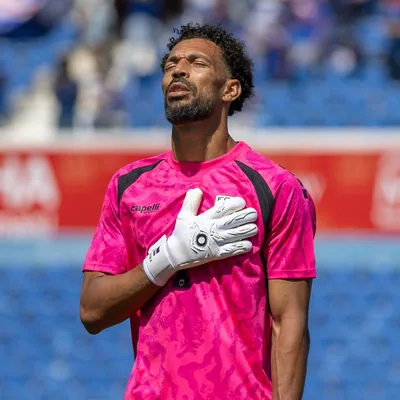
Josimar Dias
@vozinha1
29.5M
3.8% ER

Isco Alarcon Suarez
@iscoalarcon
29.1M
0.1% ER

Suresh Raina
@sureshraina3
27.3M
1.9% ER

KL Rahul👑
@klrahul
24.2M
6.2% ER

Endrick 🐆
@endrick
23.8M
11.3% ER

Pedri González
@pedri
22.9M
4.5% ER
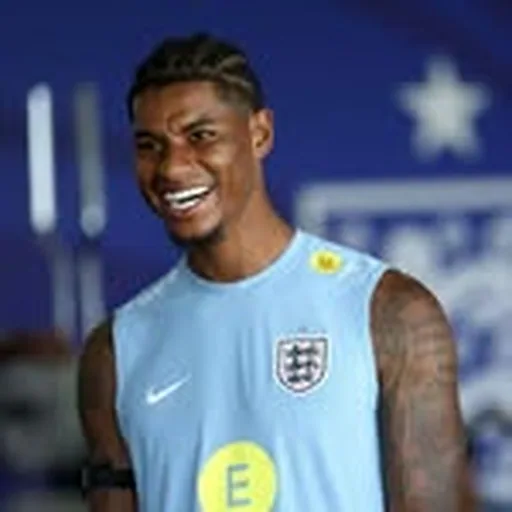
MR
@marcusrashford
22.4M
4.2% ER
Rafa Nadal
@rafaelnadal
21.3M
2.1% ER

Iker Casillas
@ikercasillas
20.4M
0.2% ER

Ꮪhubman Gill
@shubmangill
20.4M
11.2% ER
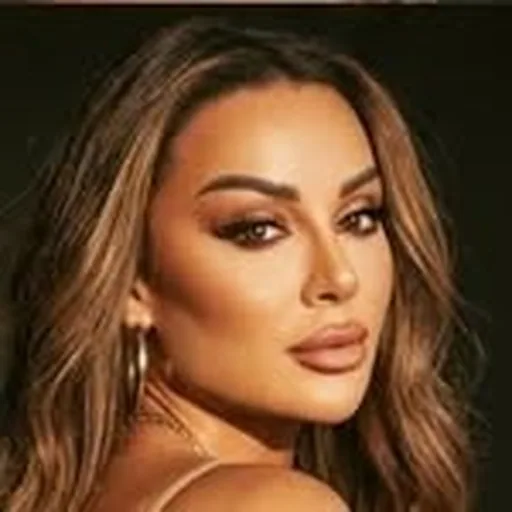
Juliana Salimeni
@jujusalimeni
20M
0.0% ER

Ilia Topuria
@iliatopuria
19.8M
7.3% ER

Tibo InShape
@tiboinshape
19.2M
0.0% ER
This is just the top of the list — millions of profiles across several social networks
Sign up free to browse the full segment, filter by size, engagement and location, and export shortlists.
Unlock the full list — free
instme Top Fitness Influencers — ranked live
About the fitness influencers space
Training goals, visible progress, and trust-led fitness content
Fitness influencers differ from many creator categories because the content is judged against real-world outcomes: better form, consistency, strength, mobility, fat loss, endurance, or confidence in the gym. Audiences are not only watching for entertainment; they are often saving routines, copying exercises, comparing equipment, and looking for cues that feel safe and achievable.
The segment includes strength training, bodybuilding, running, yoga, Pilates, calisthenics, CrossFit-style conditioning, home workouts, mobility, postpartum fitness, weight-loss journeys, sports performance, and wellness-adjacent content such as recovery, meal prep, and habit tracking. Formats vary by platform: short exercise demos and transformation clips on TikTok and Instagram, Reels built around “do this, not that” coaching, carousel workout plans, long-form YouTube programs, gym vlogs, challenge series, and product-integrated routines.
Common archetypes include certified trainers, athlete-creators, physique-focused creators, everyday transformation storytellers, niche coaches for specific audiences, and lifestyle fitness personalities who blend workouts with food, apparel, travel, or family life. The strongest audience pull usually comes from a clear promise: a training style, a body type or life stage the audience relates to, and a repeatable system followers can imagine adopting.
Benchmark it against top music influencers and top influencers, ranked from the same live index.
Where fitness partnerships feel useful rather than interruptive
In fitness, commercial content tends to work best when the product has a practical role inside the routine. Activewear appears naturally in training clips, footwear can be tied to running or lifting contexts, supplements need careful claims control, equipment can be demonstrated through sets and progressions, and apps or programs can be shown through tracking, coaching, or accountability moments.
High-performing formats often resemble native coaching rather than an ad read: a creator builds a workout around resistance bands, compares gym-bag essentials, documents a challenge, films a recovery routine, or explains why a product fits a specific training goal. YouTube supports deeper reviews and program walkthroughs, while Instagram and TikTok are effective for quick demonstrations, before-and-after narratives, and repeat exposure across Stories, Reels, and short clips.
Price is driven by more than follower count. Audience fit, training credibility, production quality, platform mix, usage rights, exclusivity, turnaround time, and the level of product integration all matter. A creator who can demonstrate correct form, explain the product without overclaiming, and reach a defined audience such as runners, new lifters, or Pilates enthusiasts may be more valuable than a broader lifestyle profile with larger reach. Verified status can also affect perceived authority; in the aggregate data for this segment, 56.2% of profiles are verified.
Turn this research into results with our step-by-step guide to health and wellness influencer marketing.
Signals that separate coaching influence from fitness noise
Fitness evaluation needs a stronger quality filter than many lifestyle categories because poor advice, unrealistic claims, or unsafe demonstrations can create brand risk. Size still matters for reach, but engagement, saves, comments, repeat viewership, and evidence of audience action are especially important. The aggregate average follower count is 427,276 and the average engagement rate is 8.09%, but individual fit should be judged against niche, platform, and content type.
Account size mix also affects selection strategy: micro creators represent 55% of the segment, nano creators 20%, mid-sized creators 16%, macro creators 4%, and mega creators 6%. Smaller creators can be useful for community trust and specific training niches, while larger creators can support launches, awareness, and broad social proof. Engagement quality matters more than raw volume: look for comments asking for modifications, sharing progress, tagging workout partners, or requesting routines.
Red flags include extreme body-transformation claims, unclear sponsorship disclosure, unsafe technique, copied workout content, sudden engagement spikes, comment sections dominated by generic praise, and health or supplement claims that would be difficult for a brand to substantiate. Current trends favor short-form coaching, hybrid training, mobility and recovery, realistic meal prep, gym confidence content, wearable or app-based tracking, and creator-led challenges. The best fitness influencers combine aspiration with instruction: audiences should understand not just what the creator uses, but how it fits into a sustainable routine.
You don't have to check these by hand: InstMe's influencer discovery platform bakes them into every free report.
Market snapshot
How this segment breaks down by account size and platform — updated Sep 19, 2026.