
Top Weddings Influencers
InstMe keeps a live ranking of weddings influencers across platforms, drawn from an index of millions of profiles across several social networks. The typical account here averages 89.1K followers with a 8.17% engagement rate — real numbers from our monitoring pipeline, not a directory that quietly goes stale.
One thing worth knowing before you scroll: 85% of the creators in this segment are nano or micro accounts (under 100K followers), the tier where engagement runs warmest and collaborations cost the least. Shortlist a few names below, then open any profile for its full free report: growth trend, audience quality, benchmarks and estimated media value.
Millions
Profiles indexed across networks
89.1K
Avg. followers
8.17%
Avg. engagement
79%
Recently active
34.5%
Verified accounts
Top 21 creators
Ranked by followers
Africa's Top Wedding Website
@bellanaijaweddings
5.5M
0.1% ER
Liv Morgan
@yaonlylivvonce
3.5M
2.0% ER
Hayley Paige
@misshayleypaige
1.1M
1.7% ER

Tamer Abdelmoniem
@tamerabdelmoniempmg
1M
0.4% ER

SANA❤︎GENKING.
@_genking_
995.6K
0.0% ER
Wedding Chicks®
@weddingchicks
977.1K
0.0% ER
دانا صلاح Dana Salah
@danasalah
887.1K
0.5% ER

Bridal Asia
@bridalasia
835.1K
0.0% ER
Martha Stewart Weddings
@martha_weddings
735.9K
0.1% ER
Loverly
@loverly
719.7K
0.1% ER

Emé - Italian Occasionwear & Bespoke Bridalwear
@ateliereme
687.9K
0.4% ER

Lazaro Bridal
@lazarobridal
616.9K
0.1% ER

Junebug Weddings
@junebugweddings
533.4K
0.1% ER

Badgley Mischka
@badgleymischka
515.6K
0.0% ER
Okene Tareela Vicky
@dripplescakes
475.5K
3.5% ER

David's Bridal
@davidsbridal
465.6K
0.1% ER
Toni Sia
@tonisiaa
411.3K
4.8% ER

No 1 Yoruba Wedding Page
@yorubawedding
401.9K
0.0% ER
Morilee New York
@morileeofficial
386.8K
0.1% ER

Rock My Wedding
@rockmywedding
356.7K
0.1% ER

Oria Azran
@oriaazran_
328.7K
1.6% ER
This is just the top of the list — millions of profiles across several social networks
Sign up free to browse the full segment, filter by size, engagement and location, and export shortlists.
Unlock the full list — free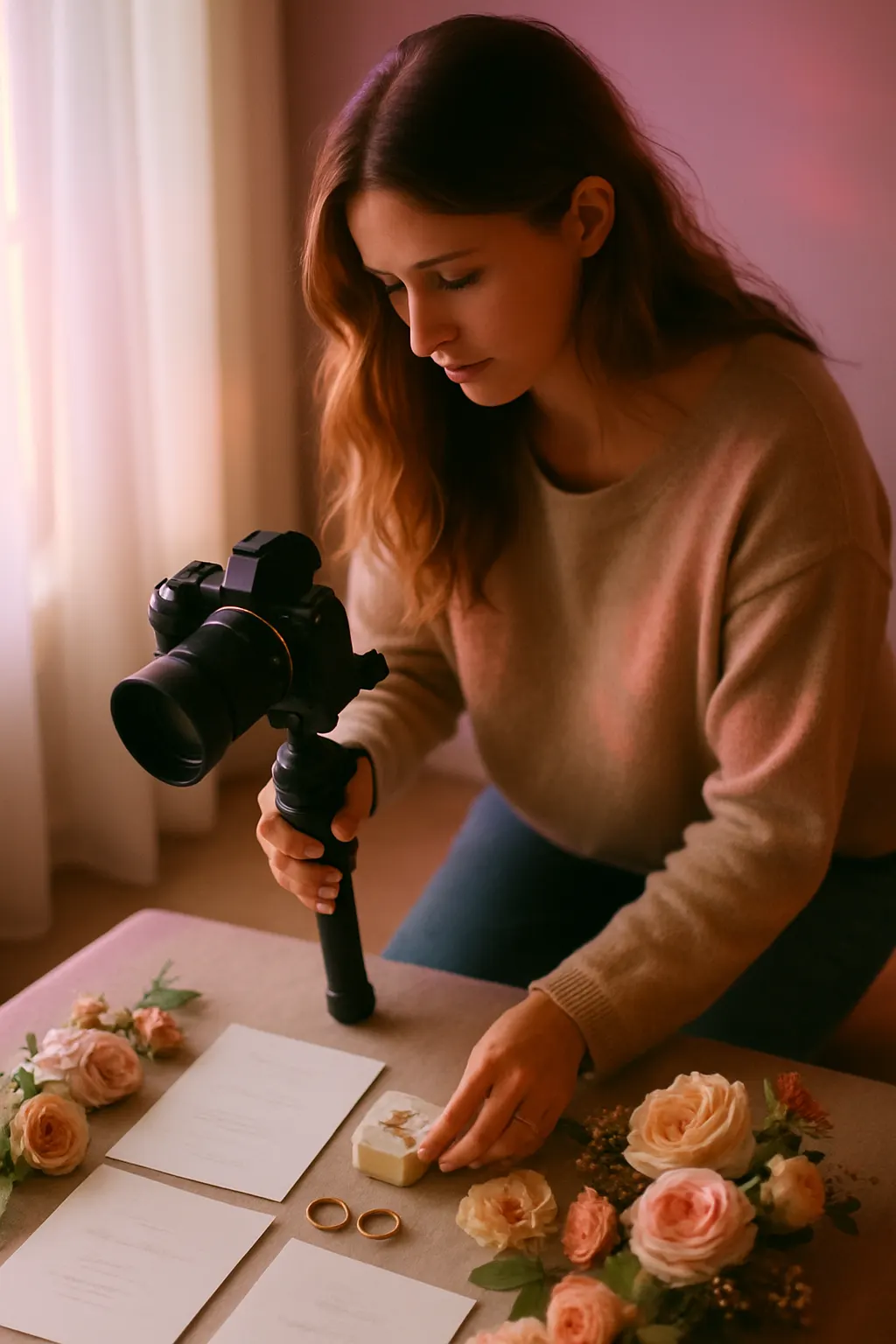
instme Top Weddings Influencers — ranked live
About the weddings influencers space
From aisle reveals to seating-chart problem solving
A bride steps into a mirror for a final dress reveal, the camera cuts to a close-up of embroidered sleeves, then to a fast TikTok clip showing how the same look photographs in daylight and under reception lighting. That mix of emotion and practical detail is central to wedding influencer content.
This segment includes bridal fashion creators, planners, photographers, florists, venue reviewers, stationery and invitation specialists, registry curators, beauty artists, honeymoon-focused creators, and couples documenting their own planning process. Some accounts are highly polished, built around styled shoots and vendor relationships. Others are diary-like, following budgets, family decisions, fittings, timelines, and post-wedding lessons learned.
Audiences come for inspiration, but they stay for decisions. They want to compare dress silhouettes, understand what a planner actually handles, see how a tablescape looks in a real room, and learn which details matter on the day. Instagram is often used for mood boards, Reels, carousel checklists, and vendor tagging. TikTok favors fast advice, transformation videos, budget trade-offs, and “what I would do differently” posts. YouTube works well for longer planning diaries, venue tours, makeup trials, and behind-the-scenes wedding films.
See how it stacks up next to top influencers and top music influencers before you shortlist.
Partnerships that fit naturally into the planning timeline
Wedding content performs best when sponsorships map to a real planning moment. A dress try-on can introduce shapewear, shoes, jewelry, or preservation services. A venue walkthrough can include travel, hospitality, décor, or planning tools. A registry video can feature home goods in a way that feels useful rather than forced. Beauty, fragrance, skincare, stationery, photo products, fintech, travel, and gifting brands all have natural entry points if the creator can show the role the product plays before, during, or after the event.
Formats that tend to work include short-form before-and-after transformations, “three options I considered” comparisons, checklist carousels, vendor visit vlogs, live or near-live wedding weekend recaps, and post-event reviews. On YouTube, longer videos can support higher-consideration products because viewers are already in research mode. On Instagram and TikTok, saved posts and shares often matter as much as immediate reactions, because wedding audiences return to content during planning.
Pricing is shaped by more than follower count. Production quality, access to venues or events, audience life stage, content rights, exclusivity with competing wedding vendors, usage in paid ads, turnaround time, and whether the creator is actively planning a wedding can all affect cost. Verified status may also influence perceived authority; in the aggregate data for this segment, 33.2% of profiles are verified. The account-size mix is weighted toward micro creators at 55% and nano creators at 31%, with mid, macro, and mega accounts making up smaller shares, so many collaborations are built around trusted niche reach rather than broad celebrity-style exposure.
For briefs, pricing benchmarks and outreach templates, read our guide to creator marketing for your business.
Signals that separate inspiration from influence
Strong wedding creators do more than publish pretty images. They move people toward action: saving a checklist, asking for vendor details, clicking to a registry, watching a full venue tour, or commenting with specific planning questions. The segment’s aggregate average engagement rate is 4.85%, and average followers are 93,661, but benchmarks should be read in context. A smaller creator with brides-to-be actively asking about timelines or suppliers may be more valuable than a larger lifestyle account posting occasional wedding content.
Key metrics include engagement quality, save and share behavior, video completion, audience geography, audience gender and age fit, and the ratio of wedding-specific posts to general lifestyle content. For vendor or venue campaigns, location relevance is especially important. For national brands, look for repeatable content formats, clear product explanation, and a history of turning personal recommendations into useful planning advice.
Red flags include engagement that is mostly generic, comment sections dominated by other creators, sudden shifts into weddings without a credible reason, over-filtered venue or product content that hides practical details, and sponsorships that conflict with prior recommendations. Another warning sign is content that attracts already-married viewers but claims to reach active planners; the audience life stage matters.
Current trends favor candid planning transparency, realistic budgets, second looks, courthouse and micro-wedding coverage, sustainability-minded choices, guest experience tips, and short videos that show a decision process rather than only the final result. Creators who can explain trade-offs clearly, credit vendors accurately, and make visual content useful are usually the strongest candidates for wedding campaigns.
Skip the manual checks — InstMe's influencer search platform surfaces these signals automatically in every free report.
Market snapshot
How this segment breaks down by account size and platform — updated Sep 19, 2026.