
Top Weddings Creators
How does the market for weddings creators actually look? In short: the segment averages 54.1K followers at 9.34% engagement, and 91% of it is nano or micro accounts — the tier most brands lean on for authentic, budget-friendly collaborations. The data comes from InstMe's index of millions of profiles across several social networks.
Below you'll find the current top creators, a snapshot of how the segment splits by account size and platform, and answers to the questions brands ask us most. Everything refreshes automatically as our pipeline rescans profiles.
Millions
Profiles indexed across networks
54.1K
Avg. followers
9.34%
Avg. engagement
76%
Recently active
24.0%
Verified accounts
Top 21 creators
Ranked by followers
Africa's Top Wedding Website
@bellanaijaweddings
5.5M
0.1% ER
Liv Morgan
@yaonlylivvonce
3.5M
2.0% ER
#ғᴏʀᴇᴍᴏsᴛᴡᴇᴅᴅɪɴɢᴘᴀɢᴇ
@weddingdigestnaija
2.8M
0.0% ER
Dulha & Dulhan
@dulhaanddulhan
1.3M
1.3% ER
💞 میکاپ | عروس | شینیون | تشریفات 💞
@aroose_sayeh
1.3M
0.6% ER
Hayley Paige
@misshayleypaige
1.1M
1.7% ER

Tamer Abdelmoniem
@tamerabdelmoniempmg
1M
0.4% ER

SANA❤︎GENKING.
@_genking_
995.6K
0.0% ER
Wedding Chicks®
@weddingchicks
977.1K
0.0% ER

دانا صلاح Dana Salah
@danasalah
887.1K
0.5% ER
REPUBLIC WOMENSWEAR
@republicwomenswear
843.8K
0.1% ER

Bridal Asia
@bridalasia
835.1K
0.0% ER
Martha Stewart Weddings
@martha_weddings
733.3K
0.0% ER
Loverly
@loverly
719.7K
0.1% ER

Emé - Italian Occasionwear & Bespoke Bridalwear
@ateliereme
687.9K
0.4% ER

Lazaro Bridal
@lazarobridal
616.9K
0.1% ER

Brides Today
@bridestodayin
602.3K
1.0% ER

Junebug Weddings
@junebugweddings
533.4K
0.1% ER

Badgley Mischka
@badgleymischka
515.6K
0.0% ER
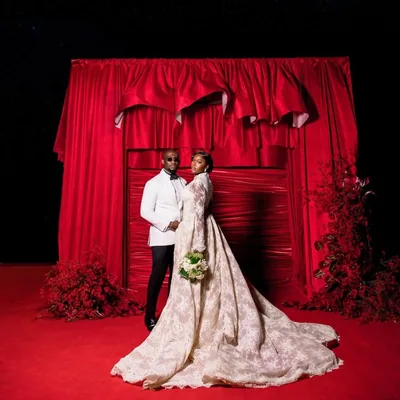
MyWeddingNigeria
@myweddingnigeria
503K
0.0% ER
Okene Tareela Vicky
@dripplescakes
475.5K
3.5% ER
This is just the top of the list — millions of profiles across several social networks
Sign up free to browse the full segment, filter by size, engagement and location, and export shortlists.
Unlock the full list — free
instme Top Weddings Creators — ranked live
About the weddings creators space
Wedding content is built around decisions, timelines, and taste
Wedding creators differ from general lifestyle creators because their content is tied to a high-consideration life event with many sequential decisions: venue, dress, stationery, flowers, photography, beauty, registry, travel, and guest experience. Audiences often arrive with a deadline, a budget range, and a need to compare options quickly.
Common sub-genres include bridal fashion try-ons, venue tours, planning checklists, décor inspiration, budget breakdowns, destination wedding guides, hair and makeup tutorials, etiquette advice, vendor education, and real wedding recaps. On Instagram, this often appears as Reels, carousel mood boards, vendor tags, and saved planning posts. On TikTok, creators tend to use short-form tips, before-and-after transformations, trend-led dress or décor reveals, and candid planning lessons. On YouTube, longer videos support venue walkthroughs, planning diaries, product reviews, and full wedding-weekend recaps.
Creator archetypes are especially varied: brides and grooms documenting their own planning process, wedding planners, photographers, bridal stylists, makeup artists, florists, stationers, venue accounts, and creators who specialize in registry, honeymoon, or bachelorette content. Audiences come for inspiration, but they also come for practical reassurance: what to book first, what is worth the spend, what photographs well, and what can go wrong.
Benchmark it against top music creators and top weddings creators on Instagram, ranked from the same live index.
Partnerships work best when they fit the planning moment
Wedding partnerships are most effective when the format matches a specific point in the planning journey. A bridal skincare product may fit a six-month routine update; a stationery brand may work in an invitation-addressing Reel; a luggage or swimwear brand may connect better to honeymoon packing than to the ceremony itself. This segment rewards contextual placement because followers are often actively saving posts, comparing vendors, and building purchase lists.
Useful collaboration formats include styled shoots, try-on hauls, venue or hotel walkthroughs, registry edits, planning checklist integrations, discount-code posts for bridal-party products, tutorial-led beauty content, and multi-post diaries that show the same product or service across several stages. Short-form video tends to perform well when it provides a clear transformation: empty room to reception setup, no-makeup to bridal look, loose references to finished floral design, or initial mood board to final tablescape.
Price is shaped by more than audience size. A creator with access to real weddings, professional photography, strong local vendor relationships, or a clearly defined audience such as luxury brides, destination couples, South Asian weddings, or courthouse weddings may command more value. Production effort also matters: venue shoots, dress content, travel, professional editing, and licensing for paid media can materially change the scope. Exclusivity can be important because many wedding categories have overlapping competitors during a short planning window.
Turn this research into results with our step-by-step guide to running creator campaigns as a brand.
Signals that separate useful wedding influence from pretty imagery
Wedding content can look polished while still offering limited commercial value, so evaluation should focus on intent as well as aesthetics. The segment’s average engagement rate is 5.57%, with average followers at 55,879 and a verified share of 22.5%, but the account-size mix shows why smaller profiles matter: nano creators make up 60% of the segment and micro creators 32%, compared with 5% mid, 2% macro, and 1% mega. In weddings, a smaller creator with a highly specific planning audience can be more useful than a broad lifestyle account with larger reach.
Key metrics include saves, shares, comments with planning questions, story replies, profile taps, link clicks, and the quality of audience geography. Local relevance is especially important for venues, planners, photographers, florists, beauty teams, and bridal boutiques. For national products such as registries, fashion, jewelry, skincare, travel, or home goods, assess whether the creator’s audience is actually in a wedding-planning phase rather than simply enjoying aspirational content.
Red flags include engagement driven mainly by generic compliments, heavy reposting without original perspective, unclear disclosure practices, mismatched audience location, overuse of styled-shoot content that never shows real client context, and abrupt category switching away from weddings. Also check whether older posts continue to receive saves or questions, because planning content can have a longer shelf life than trend content.
Current trends include candid budget transparency, nontraditional ceremonies, courthouse and micro-wedding planning, destination itineraries, second-look bridal fashion, guest outfit guidance, vendor education, and behind-the-scenes production content. On InstMe, compare these signals across Instagram, YouTube, and TikTok to see whether a creator’s influence is aesthetic, instructional, local, or purchase-oriented.
You don't have to check these by hand: InstMe's influencer discovery platform bakes them into every free report.
Market snapshot
How this segment breaks down by account size and platform — updated Sep 19, 2026.