
Top Fashion Creators
InstMe keeps a live ranking of fashion creators across platforms, drawn from an index of millions of profiles across several social networks. The typical account here averages 106.9K followers with a 9.44% engagement rate — real numbers from our monitoring pipeline, not a directory that quietly goes stale.
One thing worth knowing before you scroll: 85% of the creators in this segment are nano or micro accounts (under 100K followers), the tier where engagement runs warmest and collaborations cost the least. Shortlist a few names below, then open any profile for its full free report: growth trend, audience quality, benchmarks and estimated media value.
Millions
Profiles indexed across networks
106.9K
Avg. followers
9.44%
Avg. engagement
73%
Recently active
27.7%
Verified accounts
Top 21 creators
Ranked by followers
Ralph Lauren
@ralphlauren
16.9M
0.0% ER
Sofia Ansari
@sofia9__official
15.6M
1.4% ER

ASOS
@asos
14.8M
0.0% ER
𝑀𝑜𝒹𝑒𝓁 𝑅𝑜𝓏
@model_roz
14.4M
0.0% ER
Asmaa Ibraheem
@asmaa_ibraheemofficial
13.3M
0.1% ER
GRACIE BON
@graciebon
11.9M
1.4% ER
Vogue France
@voguefrance
10.9M
0.2% ER

Polo Ralph Lauren
@poloralphlauren
10.4M
0.5% ER
Nah Cardoso
@nahcardoso
10.2M
0.1% ER

Vogue Runway
@voguerunway
10.2M
0.1% ER
Youmna Khoury Kiziloz
@youmi
10.1M
1.7% ER

Gemma Styles
@gemmastyles
9.7M
1.8% ER
♔Winnie Harlow♔
@winnieharlow
9.7M
1.1% ER
Manish Malhotra
@manishmalhotra05
9.4M
0.2% ER
Charli
@charli_xcx
9.2M
4.4% ER

British Vogue
@britishvogue
8.7M
0.4% ER

CAROLINA HERRERA
@carolinaherrera
8M
0.0% ER
Vogue Italia
@vogueitalia
7.9M
0.2% ER
Cedra Ammara
@cedrabeauty
7.8M
6.2% ER

American Style
@americanstyle
7.8M
0.0% ER
ELLE Magazine
@elleusa
7.7M
0.0% ER
This is just the top of the list — millions of profiles across several social networks
Sign up free to browse the full segment, filter by size, engagement and location, and export shortlists.
Unlock the full list — free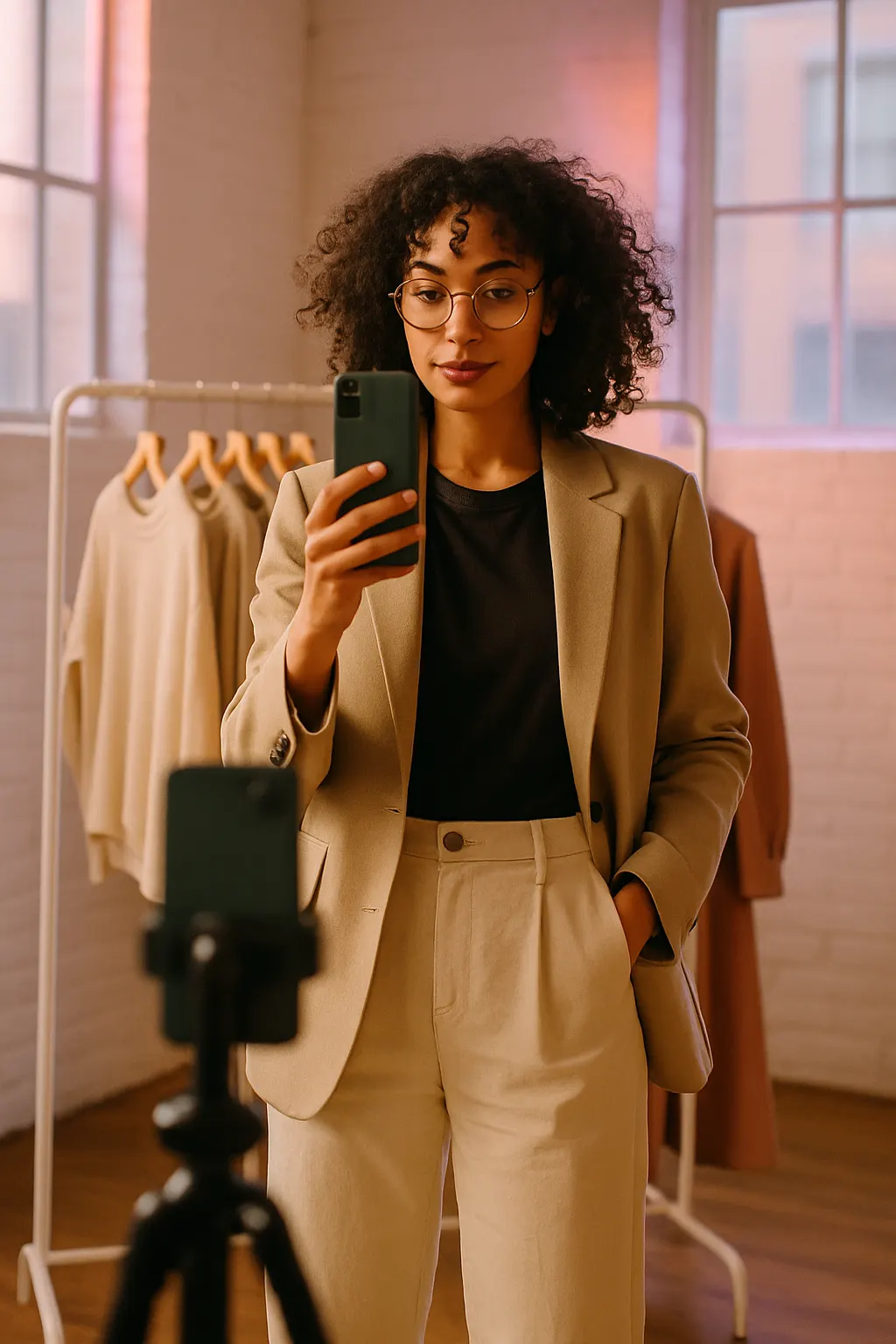
instme Top Fashion Creators — ranked live
About the fashion creators space
From mirror checks to runway breakdowns
A typical fashion post might start with a creator fastening a belt in a hallway mirror, cutting to three shoe options, then explaining why the final silhouette works. On TikTok, that may become a fast outfit transition or a “get ready with me” voiceover. On Instagram, it may be a carousel with product tags, close-up fabric shots, and a caption about fit. On YouTube, the same creator might expand the idea into a seasonal wardrobe edit, haul, lookbook, or trend analysis.
This segment includes personal style creators, luxury commentators, streetwear reviewers, modest-fashion voices, thrift and vintage specialists, sneaker-focused channels, tailoring and menswear educators, plus creators centered on petite, tall, curve, maternity, or adaptive dressing. Some operate like stylists, building outfits for specific occasions. Others are product reviewers, trend interpreters, wardrobe organizers, or shopping guides.
Audiences come for practical decisions: how something fits, whether it is worth buying, how to style one piece multiple ways, what to wear to an event, and how a trend translates outside a runway or campaign image. The strongest fashion creators usually combine taste with utility. Their followers are not only looking at clothes; they are looking for shortcuts to confidence, identity, and fewer bad purchases.
Compare this market with top fashion creators on Instagram and top music creators — same live rankings, same data pipeline.
Partnerships that work with outfit-led content
Fashion collaborations perform best when the product is integrated into a real styling decision rather than placed beside unrelated content. Common formats include try-on videos, capsule wardrobe edits, “one item, three ways” posts, event dressing, packing lists, seasonal lookbooks, styling challenges, launch previews, and store-visit content. For higher-consideration products, YouTube reviews and longer Instagram captions can carry details that a short TikTok cannot: fabric weight, sizing, care, comfort, and how the garment wears over time.
The content that tends to perform is specific. A creator saying “this blazer works for a client meeting, dinner, and travel because the shoulder is structured but the fabric does not crease easily” gives the audience a reason to care. Fit notes, size comparisons, movement tests, and honest styling constraints often build more trust than a polished outfit alone.
Pricing is usually shaped by audience quality, platform mix, production requirements, usage rights, exclusivity, timing, and how much creative labor is involved. A simple outfit post is different from sourcing props, shooting multiple looks, editing a try-on sequence, or producing a YouTube review. Fees can also be affected by category fit: luxury, bridal, footwear, and technical apparel often require more context and more precise presentation. Verified status may matter for credibility in some campaigns; in the aggregate data for this segment, 27.3% of profiles are verified.
Planning a campaign here? Our playbook on influencer marketing for fashion brands covers strategy, pricing and measurement.
Reading the numbers behind the wardrobe
Follower count is useful, but fashion decisions are often made through trust, repetition, and saved inspiration. In this segment, nano and micro creators make up most of the account-size mix provided, with nano at 50% and micro at 36%, while mid accounts represent 10% and macro and mega accounts each account for 2%. That distribution makes engagement quality especially important. The aggregate average follower count is 133,567, and the average engagement rate is 7.34%, but individual creator review should still focus on consistency by post type, not only averages.
Useful signals include saves on styling posts, comment quality, story replies, repeat questions about sizing, click or conversion history when available, and whether sponsored posts perform close to organic content. Video retention matters for try-ons and styling tutorials. For Instagram, compare reels, carousels, and stories separately. For TikTok, look for repeatable concepts rather than one-off viral outfits. For YouTube, review watch time indicators, comment depth, and whether viewers treat the creator as a source of advice.
Red flags include generic engagement, sudden unexplained spikes, heavily filtered visuals that obscure fit or fabric, unclear disclosure, counterfeit-adjacent content, and a feed where every outfit is sponsored with little personal point of view. Current content trends favor practical styling: capsule wardrobes, rewearing pieces, thrift and vintage finds, size-inclusive try-ons, office dressing, modest styling, and creator-led commentary on trends rather than simple trend adoption. The best match is not always the largest account; it is the creator whose audience already asks the questions your product can answer.
All of these vetting signals come built into InstMe's influencer marketing platform — free reports on every profile above.
Market snapshot
How this segment breaks down by account size and platform — updated Sep 19, 2026.