
Top Food Creators in Australia
InstMe keeps a live ranking of food creators in Australia across platforms, drawn from an index of millions of profiles across several social networks. The typical account here averages 86.1K followers with a 5.23% engagement rate — real numbers from our monitoring pipeline, not a directory that quietly goes stale.
One thing worth knowing before you scroll: 82% of the creators in this segment are nano or micro accounts (under 100K followers), the tier where engagement runs warmest and collaborations cost the least. Shortlist a few names below, then open any profile for its full free report: growth trend, audience quality, benchmarks and estimated media value.
Millions
Profiles indexed across networks
86.1K
Avg. followers
5.23%
Avg. engagement
75%
Recently active
32.4%
Verified accounts
Top 21 creators
Ranked by followers

Chef zouheir mokallalati
@chef_zouheir
1.8M
0.1% ER
Sarah Pound
@wholesomebysarah
1.1M
0.2% ER
chloe e wheatland
@chloeevegan
1M
0.5% ER

Taylor Rodney William
@rodtaylor0437
884.2K
0.1% ER

Nathan Cleary
@_nathancleary
506.4K
8.3% ER
Liz Miu 苗可玉 🍐
@itslizmiu
501.5K
5.9% ER

Good Food
@goodfoodau
488.7K
0.1% ER
Icha Irawan
@icha.irawan
375.9K
1.1% ER

delicious. Australia
@deliciousaus
349.8K
0.1% ER
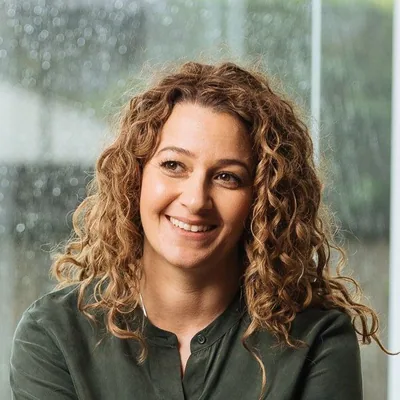
Rouba Shahin ربى
@roubasfoodjourney
295.9K
1.3% ER

Urban List Melbourne
@urbanlistmelb
278.7K
0.1% ER
Rick Stein
@chefrickstein
264.2K
0.7% ER

Secret Melbourne
@secretmelbourne
232.6K
1.5% ER
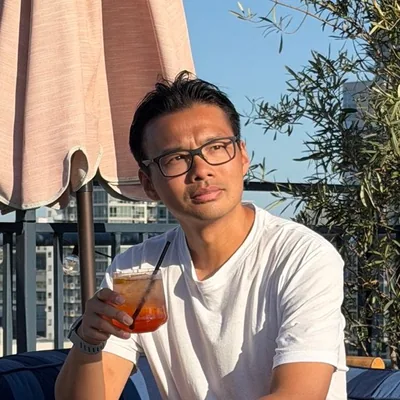
Chester See
@seeshots
202.2K
17.1% ER

Happy Way™ Protein & Supplements
@happywayau
187K
0.0% ER

L A U R A S H A R R A D
@laurasharrad
184.4K
3.4% ER

MELBOURNE FOODIE ★彡
@melbfoodieee
173.6K
0.7% ER

Melbourne Food & Wine
@melbfoodandwine
165.2K
0.2% ER
Anna
@lady_brisbane
157.4K
0.7% ER
OUR COW
@ourcowau
156.2K
0.2% ER

Secret Brisbane
@secretbrisbane_
155.5K
0.5% ER
This is just the top of the list — millions of profiles across several social networks
Sign up free to browse the full segment, filter by size, engagement and location, and export shortlists.
Unlock the full list — free
instme Top Food Creators in Australia — ranked live
About the food creators in australia space
From market hauls to coastal café tables
A reel starts with prawns hitting a hot plate, cuts to a close-up of lime and chilli, then ends with a saved map pin for a suburban takeaway shop. Australian food creators often work in this practical space: showing where to eat, what to cook, and how a dish fits into everyday routines.
This segment includes restaurant reviewers, home cooks, bakers, barbecue and seafood specialists, café hunters, grocery and meal-prep creators, and creators focused on dietary preferences such as plant-based, gluten-free, high-protein, or family-friendly food. Formats range from short TikTok taste tests and Instagram carousel guides to YouTube recipe walkthroughs, kitchen-equipment reviews, and longer dining vlogs.
Common archetypes include the local discovery account that maps neighbourhood openings, the home cook with repeatable weeknight recipes, the chef-led educator, the budget grocery planner, and the lifestyle creator whose food content sits alongside travel or wellness. Audiences come for useful recommendations, appetite appeal, and trust: is the venue worth visiting, is the recipe realistic, and does the creator explain the flavour, value, and experience clearly?
Benchmark it against top food creators on Instagram in Australia and top food creators, ranked from the same live index.
Partnerships that make food feel usable, not just visible
Food campaigns tend to work best when the product or venue is integrated into a real eating occasion. For restaurants and cafés, that may mean hosted visits, menu launches, behind-the-scenes kitchen content, or location-led guides such as “best brunch spots in Melbourne” or “Sydney date-night picks.” For packaged food, appliances, delivery services, and grocery brands, recipe development, pantry restocks, taste comparisons, and meal-prep videos usually provide more context than a simple product mention.
Short-form video is often strong for discovery because texture, sound, and pacing matter: pouring sauce, slicing pastry, searing meat, or plating dessert can communicate value quickly. Carousels can perform well for saved recommendations, ingredient lists, and step-by-step recipes. YouTube is useful when a brand needs more explanation, such as a cooking technique, appliance demonstration, or multi-recipe concept.
Fees are shaped by more than audience size. Price-driving factors include production quality, whether recipe testing is required, exclusivity, usage rights for paid media, location and travel needs, the complexity of approvals, and whether the creator is expected to produce multiple platform versions. A creator with a smaller but highly local audience may be more valuable for a new restaurant opening than a broad lifestyle account with limited local intent.
Turn this research into results with our step-by-step guide to influencer marketing for food & beverage brands.
Signals that separate appetite from influence
The account-size mix for Australian food creators is weighted toward smaller accounts, with micro creators at 46% and nano creators at 35% of the segment. Mid-size accounts represent 16%, while macro and mega accounts each account for a much smaller share. That matters because food decisions are often local and habitual; a modest account with consistent comments from people asking for addresses, recipes, substitutions, or booking details can be highly actionable.
Aggregate benchmarks can help frame a shortlist: the segment shows an average follower count of 87,593, an average engagement rate of 3.30%, and a verified share of 34.0%. These figures should be read alongside content fit. Look at saves, shares, comment quality, story interactions, link clicks where available, and whether posts drive specific intent rather than generic compliments. For restaurants, geography and audience location are critical. For food products, check whether the creator can show repeat use, not just a one-off taste test.
Red flags include repetitive sponsored posts with little personal testing, vague captions that could apply to any venue or product, engagement spikes that do not match the creator’s normal pattern, and food visuals that look polished but offer no practical information. Current trends include street-food discovery, regional travel eating guides, high-protein and budget recipes, Asian-Australian food storytelling, farmers market content, air-fryer and one-pan meals, and “save this for later” map-style posts. Strong creators make the food appealing while still giving audiences enough detail to act.
You don't have to check these by hand: InstMe's influencer discovery platform bakes them into every free report.
Market snapshot
How this segment breaks down by account size and platform — updated Sep 19, 2026.
Frequently asked questions
Related niches
Narrow it down
Broader segments
Charts for this market
Metric leaderboards for Instagram accounts in Australia — ranked by the numbers, refreshed daily.