
Top Food Bloggers
How does the market for food bloggers actually look? In short: the segment averages 119K followers at 10.77% engagement, and 81% of it is nano or micro accounts — the tier most brands lean on for authentic, budget-friendly collaborations. The data comes from InstMe's index of millions of profiles across several social networks.
Below you'll find the current top creators, a snapshot of how the segment splits by account size and platform, and answers to the questions brands ask us most. Everything refreshes automatically as our pipeline rescans profiles.
Millions
Profiles indexed across networks
119K
Avg. followers
10.77%
Avg. engagement
73%
Recently active
26.0%
Verified accounts
Top 21 creators
Ranked by followers

Maria Koutsogiannis 🇬🇷 Greek Food Blogger
@foodbymaria
2.6M
0.3% ER
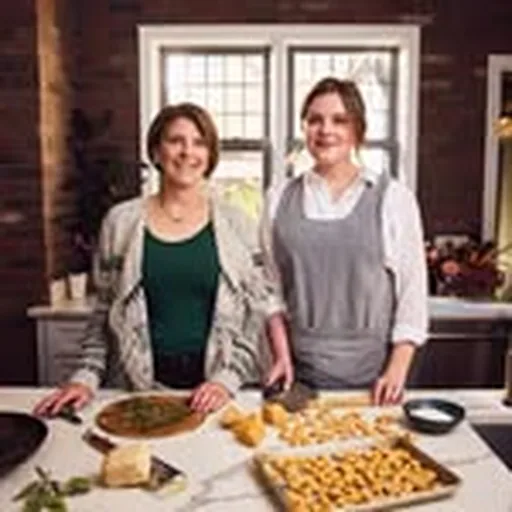
Lexi Harrison & Beth Sinclair
@crowded_kitchen
2.5M
2.9% ER
Italy by Nicolas
@italiasecrets
2.3M
0.2% ER

Chef zouheir mokallalati
@chef_zouheir
1.8M
0.1% ER

Bruno Barbieri Chef
@brunobarbieri_chef
1.8M
0.8% ER
Vismai Food
@vismaifoodies
1.8M
1.3% ER

معاذ البادي | Maadh Albadi
@m31ath
1.4M
0.2% ER

Chris Collins
@dontgobaconmyheart_
1.4M
1.2% ER
Alisha Bansal
@anyonecancookwithdr.alisha
1.4M
16.6% ER
Jamie Vespa MS, RD
@dishingouthealth
1.3M
0.7% ER

Karan Dua
@dilsefoodie
1.3M
7.2% ER
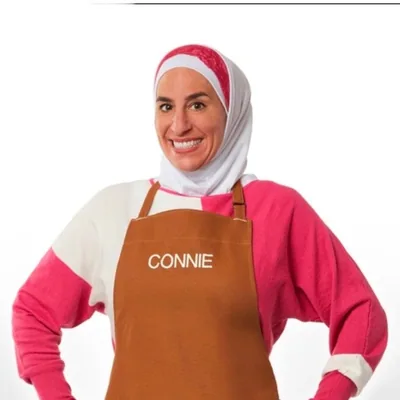
Connie Homayed Kazan
@connies_sweetest_things
1.3M
0.4% ER

Kelsey Riley
@plantedinthekitchen
1.2M
0.2% ER

Sham Glam
@sham.glam1
1.1M
4.3% ER

Julie Marie | easy recipes for home bakers
@juliemarieeats
1.1M
2.5% ER

الوليد المدلج alwaleed
@ez_smoothies
992.7K
0.1% ER
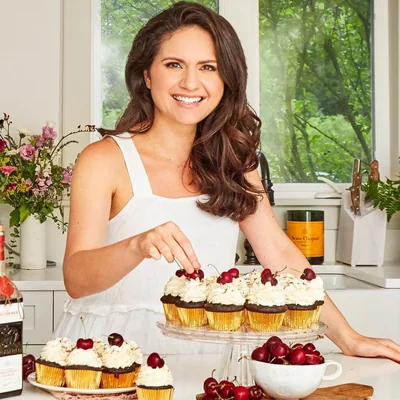
Ashley | Baker By Nature
@bakerbynature
837.7K
0.1% ER
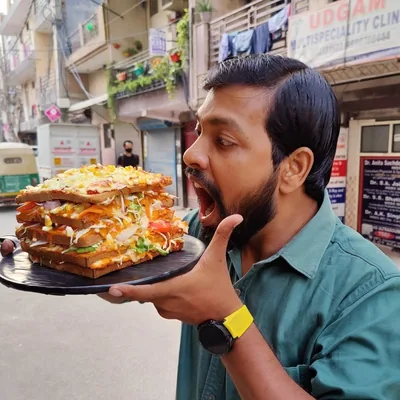
Live For Food
@liveforfood007
804.5K
2.5% ER

Los Angeles Foodie Guy ✌️😎🍔
@lafoodieguy
756.7K
2.0% ER

TABRIZ YEMAK | تبـريـز یمک
@tabriz_yemak
730.5K
1.2% ER

Kanan Badalov
@kananbadalov
715.1K
3.3% ER
This is just the top of the list — millions of profiles across several social networks
Sign up free to browse the full segment, filter by size, engagement and location, and export shortlists.
Unlock the full list — free
instme Top Food Bloggers — ranked live
About the food bloggers space
What food bloggers bring that general lifestyle creators do not
Food bloggers are built around decisions people make every day: what to cook, where to eat, what to buy for the pantry, and how to make a dish work with limited time, budget, skill, or dietary needs. Unlike broader lifestyle creators, their value is tied to repeat utility. Audiences save posts, revisit instructions, compare ingredients, and often follow because a creator’s taste, kitchen habits, or restaurant judgment feels reliable.
The segment includes home cooks, bakers, restaurant reviewers, meal-prep specialists, family-dinner creators, nutrition-oriented recipe makers, budget grocery shoppers, beverage creators, and cuisine-specific educators. On Instagram and TikTok, the dominant formats are short recipe videos, plated photography, grocery hauls, taste tests, and quick restaurant guides. YouTube tends to support longer demonstrations, batch cooking, kitchen equipment reviews, and more detailed technique-led content.
Typical archetypes include the practical weeknight cook, the indulgent baker, the city dining guide, the wellness-leaning meal planner, and the highly visual food stylist. Audiences come for appetite, but they stay for confidence: clear steps, believable results, substitutions, and a point of view on flavor.
Benchmark it against top lifestyle bloggers and top food creators, ranked from the same live index.
Partnerships that work when the product has to pass the taste test
Food partnerships perform best when the product is not just shown but used. A sauce needs to appear in a finished dish, a pan should solve a real cooking problem, and a restaurant visit should communicate ordering logic rather than only atmosphere. Recipe integrations, “three ways to use it” posts, taste tests, grocery runs, seasonal menus, and step-by-step cooking videos are often stronger than simple product placement because they give the audience a reason to save or act.
Short-form video is especially useful for launches, limited-time offers, snacks, beverages, and visually distinctive dishes. Longer YouTube formats fit appliances, cookware, premium ingredients, and products that need explanation or comparison. Instagram can be effective for polished recipe presentation, carousel instructions, and local discovery, especially for restaurants and food retail.
Costs are usually driven by the creator’s audience quality, platform mix, production demands, recipe development time, usage rights, exclusivity, turnaround, and whether the brand needs original photography or video assets beyond the post itself. Food also adds practical variables that general creator campaigns may not face: ingredient sourcing, testing time, kitchen setup, location access, food safety considerations, and the credibility risk if a creator promotes something that does not match their usual taste or dietary stance.
Turn this research into results with our step-by-step guide to food and beverage influencer marketing.
Signals that separate recipe influence from simple reach
Food audiences often show intent through behavior that is easy to miss if the review focuses only on follower size. Saves, shares, completion rate on recipe videos, comments that mention cooking the dish, questions about substitutions, and repeat engagement across similar posts are especially relevant. A smaller creator whose audience asks practical cooking questions can be more valuable than a larger account with passive likes.
The aggregate profile of this segment reflects that balance: average followers are 242,011, average engagement rate is 5.77%, and 33.3% are verified. The account-size mix is weighted toward micro creators at 47% and nano creators at 26%, with mid at 14%, macro at 5%, and mega at 8%. That distribution makes engagement quality and niche fit important; reach alone is rarely the best filter.
Red flags include recipe captions that lack usable instructions, heavy reposting without clear attribution, comment sections filled with generic praise, sudden shifts between unrelated food styles, poor disclosure habits, and sponsored posts that do not resemble the creator’s normal kitchen or dining choices. Current trends to watch include fast overhead recipe videos, high-protein and budget meals, air-fryer and one-pan formats, regional comfort food, realistic meal prep, and restaurant content that prioritizes what to order rather than just where to go.
You don't have to check these by hand: InstMe's influencer discovery platform bakes them into every free report.
Market snapshot
How this segment breaks down by account size and platform — updated Sep 19, 2026.