
Top Beauty Bloggers
How does the market for beauty bloggers actually look? In short: the segment averages 467.4K followers at 9.84% engagement, and 74% of it is nano or micro accounts — the tier most brands lean on for authentic, budget-friendly collaborations. The data comes from InstMe's index of millions of profiles across several social networks.
Below you'll find the current top creators, a snapshot of how the segment splits by account size and platform, and answers to the questions brands ask us most. Everything refreshes automatically as our pipeline rescans profiles.
Millions
Profiles indexed across networks
467.4K
Avg. followers
9.84%
Avg. engagement
78%
Recently active
30.6%
Verified accounts
Top 21 creators
Ranked by followers
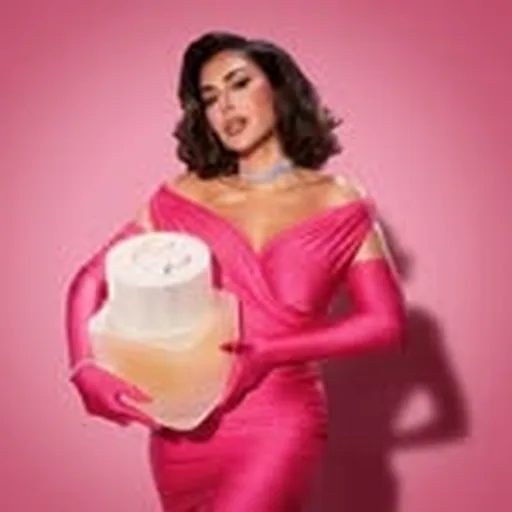
HUDA BEAUTY
@hudabeauty
56.1M
0.1% ER
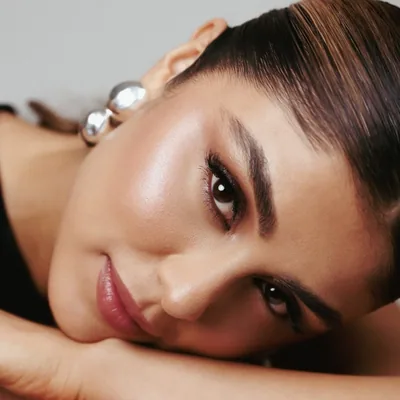
Paula | Makeup Skincare Beauty fashion
@pautips
7.6M
0.7% ER
Vika-Viktoria Bodró beauty blogger 💄
@beauty_vik_
1.5M
0.2% ER
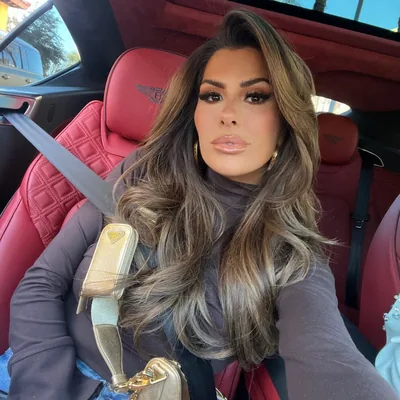
Emily Ann Gemma
@emilyanngemma
1.3M
0.8% ER
Parvaneh Aalami
@summer.makeup.artist
1.2M
1.5% ER
Rim El Kilany - ريم الكيلاني
@rimkilany
1.2M
0.6% ER
Shirin Jadallah-شيرين جادالله
@shereen.jadallah
1M
1.2% ER
Wayne Goss - Makeup Artist
@gossmakeupartist
690.9K
0.9% ER
Joyce Kitamura
@joycekitamura
664.5K
0.3% ER
Rosshanna 🧚🏻
@mm.blogg
653.7K
5.6% ER
🪬🧿BARROUNA BOU HAIDAR🧿🪬
@barrounabh
619.7K
0.0% ER
Doniya Malik
@doniyabeauty
578.5K
0.5% ER
Loren Asad
@lorenasad
577.9K
0.8% ER
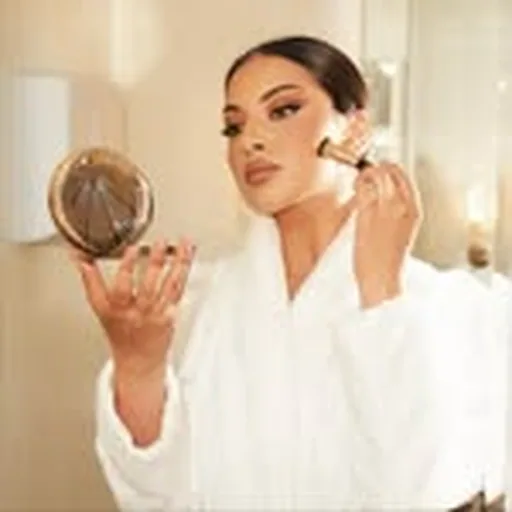
Christina Sargsyan
@kiisbeauty
547.4K
75.0% ER
Ainur Rustemova
@noor.nailbar
505.1K
11.0% ER
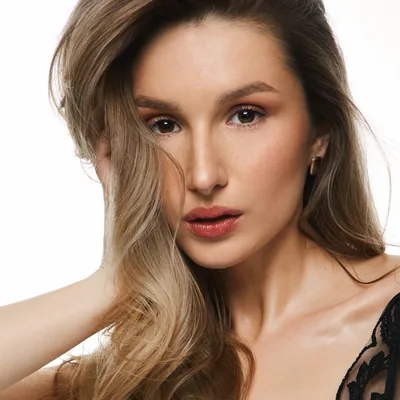
Роксолана Чуняк: візажист, beauty blogger, influencer
@roxi_chuniak
460.1K
0.6% ER
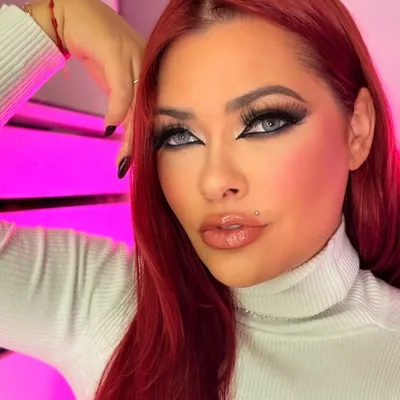
Kirah Marlane Menezes
@oficialkirah
409.7K
2.3% ER
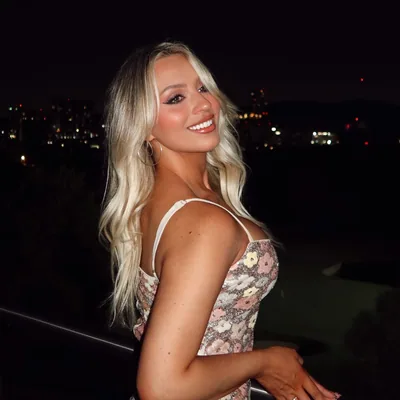
Yanela Treviño
@yoursyanela
406.9K
0.5% ER
@elmofeo
@elmofeo
346.2K
0.1% ER
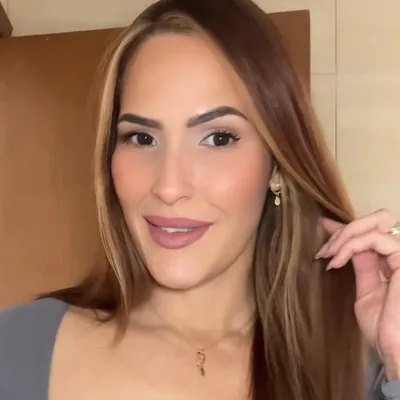
Makeup Artist & Skincare
@fenebeauty
315.4K
0.1% ER
Anna, beauty creator
@annakozlovaugc
280K
15.7% ER
This is just the top of the list — millions of profiles across several social networks
Sign up free to browse the full segment, filter by size, engagement and location, and export shortlists.
Unlock the full list — free
instme Top Beauty Bloggers — ranked live
About the beauty bloggers space
Beauty blogging is built around proof, routine, and visible results
Beauty bloggers differ from general lifestyle creators because the product is usually inseparable from the method: shade matching, skin prep, application technique, wear time, texture, and final finish all matter. The segment includes makeup reviewers, skincare routine creators, haircare educators, fragrance commentators, nail artists, cosmetic procedure diarists, clean-beauty explainers, and creators focused on specific needs such as acne-prone skin, mature skin, textured hair, or sensitive skin.
Common formats include GRWM videos, empties and repurchase lists, first impressions, side-by-side comparisons, ingredient breakdowns, tutorials, shopping guides, routine updates, and long-form reviews on YouTube. Instagram often carries polished reels, carousels, before-and-after posts, and product photography; TikTok favors fast demonstrations, dupe comparisons, and problem-solution clips.
Audiences come for more than entertainment. They look for evidence that a product works on a real face, skin tone, hair type, or concern similar to their own. Trust is built through repeated use, disclosure of skin context, and the willingness to show imperfect outcomes, not just finished looks.
See how it stacks up next to top lifestyle bloggers and top beauty creators before you shortlist.
Partnerships work best when the creator can demonstrate the product, not just display it
Beauty campaigns tend to be strongest when they give creators room to test, apply, compare, and explain. A static product mention is less persuasive in this category than a tutorial, routine integration, wear test, shade swatch, shelf comparison, or “one product, three looks” format. For skincare and haircare, time-based storytelling can be especially useful: initial use, progress check, and final assessment.
The most practical collaborations include sponsored reels or TikToks, YouTube integrations, launch seeding with usage rights, affiliate content, live shopping, event attendance, and creator-led education around a hero ingredient or technique. Makeup brands often benefit from creators who can show color payoff and shade range clearly; skincare brands need creators who can discuss claims carefully and avoid overstating results.
Price is usually driven by audience size, platform mix, production quality, exclusivity, usage rights, category authority, and the level of testing required. In beauty, credibility can also raise value: a smaller creator with a consistent history in rosacea care, curly hair routines, or complexion products may be more useful than a broader creator with less category depth.
For briefs, pricing benchmarks and outreach templates, read our guide to beauty influencer marketing.
Beauty creator quality depends on trust signals as much as reach
The aggregate profile of beauty bloggers shows why the segment attracts marketer attention: average followers are 784,098, average engagement rate is 7.78%, and 38.4% of profiles are verified. The size mix is weighted toward micro creators at 42%, followed by nano creators at 28%, mid-size creators at 21%, macro creators at 6%, and mega creators at 3%. For beauty, that mix matters because detailed product advice often performs well outside the largest accounts.
Engagement should be read qualitatively. Useful comments mention shade, skin type, wear time, irritation, texture, scent, or purchase intent. Generic praise is less informative. Saves, shares, completion rates, and repeat questions can indicate that the creator is influencing research, not just generating views. For YouTube, look at review depth and search relevance; for TikTok, check whether fast growth is tied to one viral clip or consistent beauty authority; for Instagram, assess carousel usefulness and reel retention where available.
Red flags include frequent undisclosed sponsorships, exaggerated before-and-after claims, inconsistent opinions across similar products, heavy filtering that hides texture, and audience comments questioning authenticity. Current trends to watch include skin-barrier content, minimalist routines, fragrance layering, inclusive shade testing, creator-led dupes, scalp care, and short educational videos that translate ingredient language into practical use cases.
Skip the manual checks — InstMe's influencer search platform surfaces these signals automatically in every free report.
Market snapshot
How this segment breaks down by account size and platform — updated Sep 19, 2026.