
Top Health & Wellness Speakers
How does the market for health & wellness speakers actually look? In short: the segment averages 102.1K followers at 6.71% engagement, and 78% of it is nano or micro accounts — the tier most brands lean on for authentic, budget-friendly collaborations. The data comes from InstMe's index of millions of profiles across several social networks.
Below you'll find the current top creators, a snapshot of how the segment splits by account size and platform, and answers to the questions brands ask us most. Everything refreshes automatically as our pipeline rescans profiles.
Millions
Profiles indexed across networks
102.1K
Avg. followers
6.71%
Avg. engagement
65%
Recently active
59.0%
Verified accounts
Top 21 creators
Ranked by followers
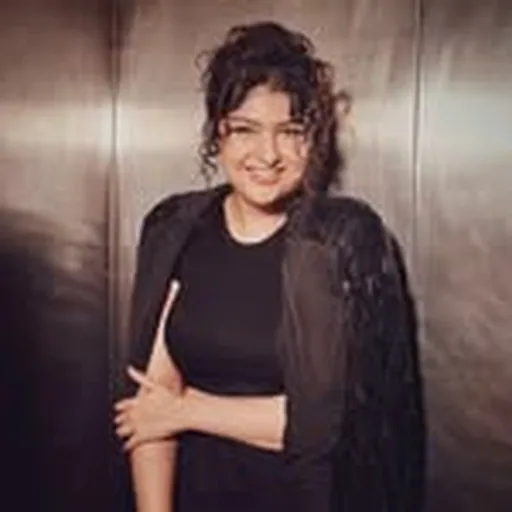
Anshula Kapoor
@anshulakapoor
989.3K
17.2% ER
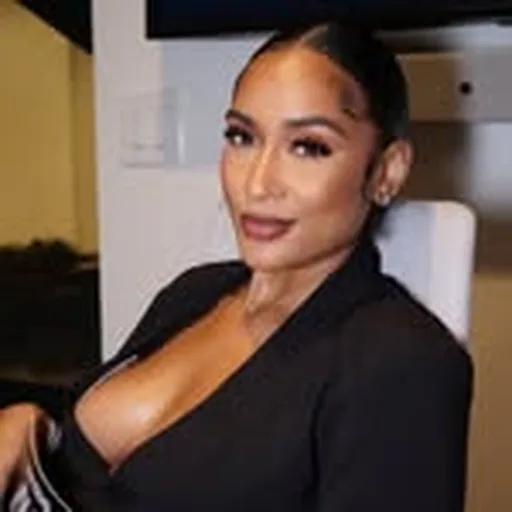
Brii Renee'
@bristhename
633.7K
0.0% ER

Olivia Molly Rogers
@oliviamollyrogers
337.5K
2.6% ER

Israa Nasir
@well.guide
315.4K
0.2% ER
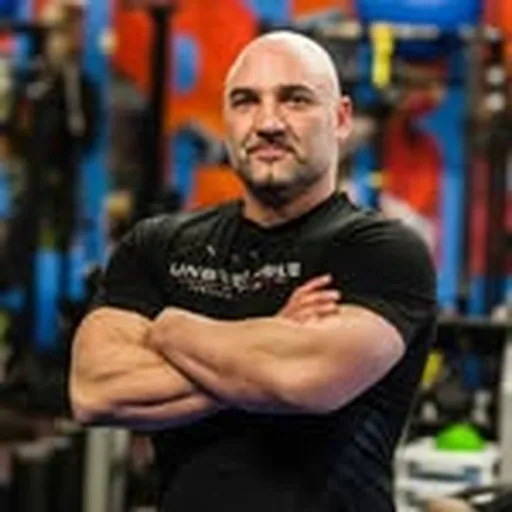
Jay Glazer
@jayglazer
264.4K
0.1% ER
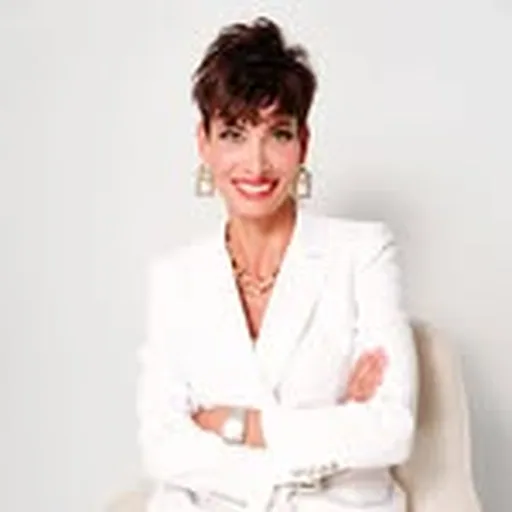
Stephanie Rimka
@dr_rimka
249K
0.6% ER
Dr.Therese | Psychologist, Author, Speaker
@exploring.therapy
167K
19.6% ER
Tony Hoffman
@tonymhoffman
97.7K
18.2% ER
Kevin Hines Top Mental Health Speaker | Author | Filmmaker
@kevinhinesstory
91.2K
0.2% ER
Kristen Ruhl
@kristen.ruhl
78.7K
0.1% ER
Jon McCann
@thephillycaptain
71.9K
1.3% ER
Kerstin Lindquist
@kerstin.lindquist
70.7K
1.3% ER
Maddy Furgiuele
@mentalhealthwithmaddy
66K
82.0% ER
Philip De Clare
@philipdeclare
64.1K
0.0% ER
Jaclyn London, MS, RD | NYC Dietitian, Consultant & Author
@jaclynlondonrd
63.2K
0.8% ER
Nayana ✨ Sustainable & Mindful Living
@nayana_premnath
62.1K
1.1% ER
Savannah, MS, MBA, CNS | Women’s Health & Endometriosis
@savannahregensburger
57.7K
3.8% ER
Cheekiemonkies
@cheekiemonkies
48K
1.8% ER
DR. RACHEL GOLDMAN | PhD PSYCHOLOGIST | SPEAKER | AUTHOR
@drrachelnyc
40.5K
2.6% ER
Lee Holden
@leeholdenofficial
38K
3.2% ER

Dr Kiran Dintiyala AKA Dr Calm
@drcalm.md
37.5K
0.0% ER
This is just the top of the list — millions of profiles across several social networks
Sign up free to browse the full segment, filter by size, engagement and location, and export shortlists.
Unlock the full list — free
instme Top Health & Wellness Speakers — ranked live
About the health & wellness speakers space
Health expertise shaped for the stage and the feed
Health speakers are distinct from general wellness creators because their content is usually built around a point of view they can defend in public: a keynote framework, clinical education background, patient advocacy story, workplace health agenda, or behavior-change method. Their social presence on Instagram, YouTube, and TikTok often extends an offline or virtual speaking practice rather than existing only as lifestyle content.
Common sub-genres include mental health educators, nutrition speakers, physicians and clinicians who present to public audiences, fitness and longevity commentators, public-health advocates, disability and chronic-illness voices, sleep and stress specialists, and corporate wellness presenters. Formats tend to be explanation-led: short clips from talks, myth-versus-fact posts, Q&A responses, carousel summaries, panel excerpts, podcast-style video, and personal storytelling tied to a health lesson.
Audiences come for clarity, credibility, and reassurance. Compared with broader creator categories, followers are less likely to be there only for entertainment or aesthetics; they often want help interpreting complex information, deciding what questions to ask a professional, or understanding how health topics affect daily life.
See how it stacks up next to top health & wellness creators and top business speakers before you shortlist.
Partnerships work best when the message can be taught, not just shown
This segment is a strong fit for brands that need education, trust, and careful explanation: health apps, insurance-adjacent services, workplace wellness programs, fitness and recovery products, nutrition brands, medical-adjacent consumer goods, event organizers, and public-awareness campaigns. The most effective collaborations usually give the speaker room to translate the product or topic into a broader health principle rather than forcing a simple endorsement.
High-performing formats include sponsored educational reels, YouTube explainers, TikTok Q&As, webinar or event amplification, conference recap content, expert quote videos, and multi-post series around a theme such as stress management, prevention, hydration, sleep hygiene, mobility, or care navigation. For health speakers, performance often depends on how naturally the campaign fits their established message. A creator known for evidence-based mental health education, for example, will usually need a different brief than a motivational fitness speaker.
Pricing is driven by more than follower count. Factors include professional credentials, speaking demand, category sensitivity, production quality, platform mix, exclusivity, usage rights, review requirements, and whether the creator is lending expert authority to a claim-heavy topic. Verified status is also relatively common in this segment, with an aggregate verified share of 52.7%, which can influence perceived credibility and brand-risk review.
For briefs, pricing benchmarks and outreach templates, read our guide to influencer marketing for health & wellness brands.
Signals that separate trusted health voices from generic wellness content
Health speaker evaluation should start with trust indicators, then move to reach. The segment has an average follower count of 116,220 and an average engagement rate of 6.20%, but size alone is not the main signal. The account-size mix is weighted toward nano and micro creators, at 45% and 44% respectively, with smaller shares of mid, macro, and mega accounts. That means many strong candidates may have focused communities rather than mass audiences.
Useful metrics include saves, shares, comment quality, repeat viewership on YouTube, completion signals on short-form video, and whether followers ask specific health questions. Engagement is especially important because the audience often treats these creators as interpreters of sensitive topics. A smaller speaker whose followers discuss experiences, ask follow-up questions, and reference the creator’s frameworks can be more valuable than a larger account with passive likes.
Red flags include unsupported medical claims, exaggerated transformation language, inconsistent disclosure of paid partnerships, content that blurs personal anecdote with universal advice, hostile comment moderation, or frequent shifts into unrelated product promotion. Current trends include short clips cut from live talks, plain-language science explainers, mental health boundary-setting content, workplace wellbeing, women’s health, longevity, and creator-led myth correction. For this segment, the strongest profiles combine authority, accessibility, and a clear line between education and diagnosis.
Skip the manual checks — InstMe's influencer search platform surfaces these signals automatically in every free report.
Market snapshot
How this segment breaks down by account size and platform — updated Sep 19, 2026.