
Top Speakers
Here's the segment at a glance: the typical account among speakers across platforms holds 185.4K followers, earns a 6.65% engagement rate, and 58.5% carry a verified badge. Everything comes from InstMe's index of millions of profiles across several social networks, and it updates automatically.
The top accounts are listed below with followers and engagement side by side. If you take one tip from us, make it this: engagement usually predicts campaign results better than raw follower counts — especially among the 75% of this segment sitting under 100K followers. Sign up free to unlock the full list and advanced filters.
Millions
Profiles indexed across networks
185.4K
Avg. followers
6.65%
Avg. engagement
71%
Recently active
58.5%
Verified accounts
Top 21 creators
Ranked by followers

Jay Shetty
@jayshetty
18.6M
1.4% ER
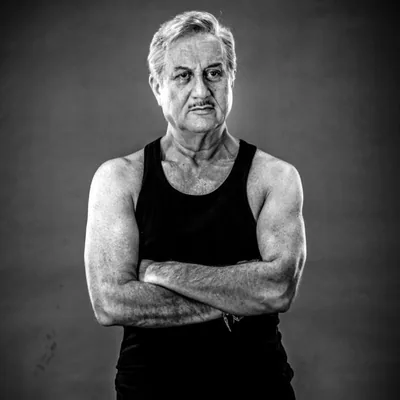
Anupam Kher
@anupampkher
7.7M
10.8% ER

Ruth Kadiri Ezerika
@ruthkadiri
7.1M
1.3% ER
Chioma Akpotha
@chiomakpotha
6.9M
0.1% ER

Lewis Howes
@lewishowes
5M
0.0% ER

Dr. Gabor Maté
@gabormatemd
4.7M
0.3% ER
ANITA ASUOHA
@realwarripikin
4.2M
0.3% ER
Chris Burkard
@chrisburkard
3.9M
0.2% ER
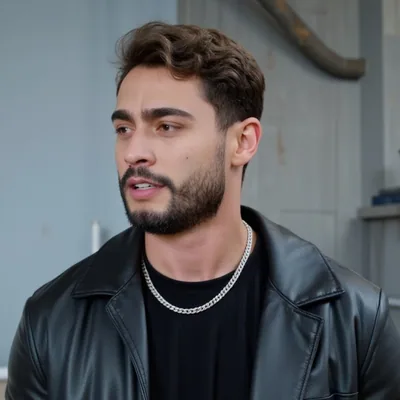
Arut Nazaryan
@arutmain
3.8M
0.1% ER

ENIOLABADMUS 🇳🇬 FIRST DAUGHTER
@eniola_badmus
3.7M
0.7% ER

Tim Tebow
@timtebow
3.5M
3.7% ER

Mwemba Burton
@mwijaku
3.4M
0.5% ER

Aurélio Alfieri
@aurelioalfieri
3.4M
0.0% ER
Erica Campbell
@imericacampbell
3.3M
0.7% ER
Dariush Soudi
@dariushsoudiofficial
3.3M
0.4% ER
Marco Antonio de Biaggi
@mbiaggi
3.2M
0.5% ER
Barbara O’Neill
@realbarbaraoneill
3.1M
0.6% ER
Ed Mylett - Entrepreneur
@edmylett
2.9M
0.2% ER
Jordan Belfort
@wolfofwallst
2.8M
0.5% ER

Rich Ferguson
@richferguson
2.7M
0.0% ER

XENIA TCHOUMI
@xenia
2.6M
0.0% ER
This is just the top of the list — millions of profiles across several social networks
Sign up free to browse the full segment, filter by size, engagement and location, and export shortlists.
Unlock the full list — free
instme Top Speakers — ranked live
About the speakers space
What audiences expect from speaker-led creator accounts
Speaker creators turn expertise, lived experience, and stage presence into short-form and long-form social content. The segment includes keynote speakers, motivational voices, leadership coaches, futurists, faith and wellness speakers, DEI facilitators, sales trainers, educators, authors, and industry specialists who use speaking as the core of their public identity.
Common formats include clips from live talks, podcast-style monologues, carousel frameworks, Q&A responses, audience reaction moments, conference recaps, storytelling reels, and longer YouTube sessions that feel like a workshop or keynote excerpt. TikTok and Instagram are often used for sharp ideas, memorable lines, and personal stories; YouTube is stronger for extended teaching, event footage, and search-led discovery.
Audiences usually come for clarity, confidence, and language they can reuse: a better way to think about work, leadership, relationships, money, health, creativity, or change. The strongest speaker accounts do not only show charisma. They package ideas into repeatable concepts, make abstract themes practical, and build trust through proof of real rooms, real audiences, and consistent point of view.
Benchmark it against top speakers on Instagram, ranked from the same live index.
Partnerships that fit a speaker’s authority and delivery style
Speaker partnerships work best when the brand can be integrated into an idea rather than placed beside one. Effective formats include sponsored keynote clips, thought-leadership reels, event hosting, live-streamed conversations, webinar promotion, conference amplification, book-launch tie-ins, panel moderation, product use cases explained through a business or personal-development lens, and internal employer-brand content.
Performance often depends on whether the sponsorship feels like a natural extension of the speaker’s message. A productivity tool fits more easily with a leadership systems speaker than with a general inspirational account. A financial product may work well with a speaker known for entrepreneurship, career mobility, or household planning. For speakers, credibility is the creative asset; the brand should support the lesson, not interrupt it.
Price is usually shaped by audience quality, verified status, topic authority, production expectations, usage rights, exclusivity, live appearance requirements, and whether the creator is being asked to deliver original strategy or simply publish a social post. Aggregate data for this segment shows an average follower count of 185,418 and an average engagement rate of 5.72%, with 56.6% verified. The account-size mix is broad: nano and micro accounts make up most of the segment, while mid, macro, and mega accounts are smaller shares, which gives brands options from niche authority to large public reach.
Turn this research into results with our step-by-step guide to running creator campaigns as a brand.
The key test: does the message move people beyond applause?
The central evaluation principle for speaker creators is message transfer: do viewers remember the idea, respond to it, and take a next step? A speaker can look polished on camera and still produce shallow social impact. The better signal is whether the content turns a spoken insight into saves, shares, comments with personal context, longer watch time, newsletter clicks, event interest, or qualified discussion.
Engagement matters more than size for many campaigns in this niche because audiences often follow speakers for guidance, not passive entertainment. Compare engagement rate to account size, but also read the comments. Useful comments include people applying the advice, tagging colleagues, asking follow-up questions, or referencing a specific phrase from the talk. Empty praise, repetitive emojis, or vague motivational responses are weaker indicators.
Other important metrics include recent posting consistency, video retention, short-form view stability, YouTube search performance, audience geography, brand-safety fit, and the balance between inspirational content and practical expertise. Verification can indicate public presence, but it should not replace content review.
Red flags include recycled stage clips with no current audience response, exaggerated credentials, engagement spikes that do not match normal performance, unclear niche positioning, overuse of generic motivational language, and sponsored posts that feel unrelated to the creator’s core message. Current trends favor concise frameworks, candid backstage clips, event-to-social repurposing, strong hooks from live talks, and content that turns a keynote idea into one immediately usable action.
You don't have to check these by hand: InstMe's influencer discovery platform bakes them into every free report.
Market snapshot
How this segment breaks down by account size and platform — updated Sep 19, 2026.