
Top Business Speakers
Looking for business speakers? You're in the right place. This page ranks the segment's standout accounts by reach, pulled from InstMe's index spanning millions of profiles across several social networks. Creators here average 174.9K followers and 6.26% engagement, and the list quietly refreshes itself as our pipeline rescans profiles.
Beyond the ranking, the market snapshot further down breaks the segment into account sizes and platforms, so you can tell at a glance whether this niche is dominated by big established names or fast-moving smaller creators. Every profile links to a full free report.
Millions
Profiles indexed across networks
174.9K
Avg. followers
6.26%
Avg. engagement
72%
Recently active
67.0%
Verified accounts
Top 21 creators
Ranked by followers
Arut Nazaryan
@arutmain
3.8M
0.1% ER

Tim Tebow
@timtebow
3.5M
3.7% ER
Dariush Soudi
@dariushsoudiofficial
3.3M
0.4% ER
Marco Antonio de Biaggi
@mbiaggi
3.2M
0.5% ER
Ed Mylett - Entrepreneur
@edmylett
2.9M
0.2% ER
Jordan Belfort
@wolfofwallst
2.8M
0.5% ER

XENIA TCHOUMI
@xenia
2.6M
0.0% ER
Danae Mercer Ricci
@danaemercer
2.2M
0.5% ER
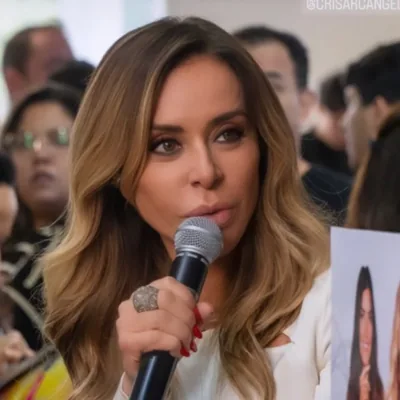
Cris Arcangeli
@crisarcangeli
1.9M
1.3% ER

DANIEL ALLY
@danielallyofficial
1.6M
0.0% ER
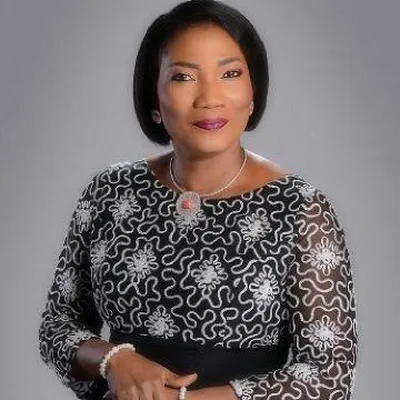
Funke Felix-Adejumo
@ffadejumo
1.5M
0.1% ER

Deepak Wadhwa
@deepakwadhwa.official
1.5M
5.5% ER

Nitin Jain - EcommerceDoctor
@ecommercedoctor
1.4M
2.0% ER

Charlie Rocket 🚀 Winning Streak
@charlie
1.3M
7.9% ER
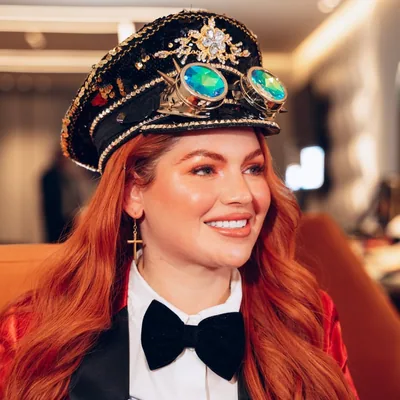
Regina Carrot🎙️Conferencista/ Autora
@reginacarrot
1.3M
0.1% ER

Ariel Pryor| 7 Figure Entrepreneur
@thearielpryor
1.3M
6.7% ER
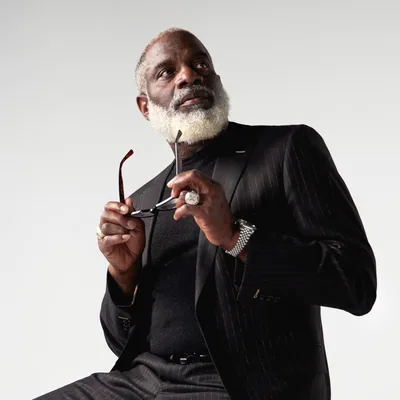
Myron Golden | Business Growth Consultant
@myrongolden
1.2M
0.1% ER
Manveer Singh | Finance
@stockswithmanveer
1.2M
3.3% ER

Torsten Sedlmeier
@topcoachvip
1M
1.5% ER
Bedros Keuilian
@bedroskeuilian
1M
0.6% ER

Faisal Khan
@fasbeam
985.1K
10.9% ER
This is just the top of the list — millions of profiles across several social networks
Sign up free to browse the full segment, filter by size, engagement and location, and export shortlists.
Unlock the full list — free
instme Top Business Speakers — ranked live
About the business speakers space
Inside the business-speaker creator set
Business speakers are creators whose authority is built around explaining how companies grow, how leaders make decisions, and how professionals improve performance. The segment includes keynote speakers, leadership coaches, sales trainers, startup advisors, executive mentors, productivity educators, negotiation specialists, and operators who turn business experience into stage talks, clips, workshops, and commentary.
Their content usually mixes short keynote excerpts, podcast-style interview clips, carousel frameworks, book or newsletter takeaways, founder lessons, and direct-to-camera advice. On YouTube, longer talks, conference recordings, and interview breakdowns are common. TikTok and Instagram tend to favor sharper moments: a memorable line from a talk, a simple business framework, or a contrarian opinion on management, hiring, sales, or entrepreneurship.
Audiences come for clarity and credibility. Some are founders looking for practical operating ideas; others are managers, sales teams, consultants, or early-career professionals using the content for motivation and skill-building. The strongest creators in this category are not just inspirational. They make business concepts feel usable: a better meeting structure, a sales objection response, a pricing principle, or a leadership habit that can be applied the same day.
Benchmark it against top business creators and top fitness speakers, ranked from the same live index.
What earns attention before the sponsorship format
Useful business insight performs first; the format comes second. Posts that tend to work are specific, opinionated, and easy to repeat inside a workplace: a three-step hiring filter, a sentence to use in a negotiation, a lesson from a failed launch, or a leadership mistake explained without jargon. Broad motivational claims usually need either a strong personal story or a recognizable business scenario to hold attention.
From there, collaboration formats should fit the creator’s authority. Strong options include sponsored short-form lessons, branded keynote clips, webinar or event promotion, product-led business tutorials, newsletter or course-style integrations, and executive interview content. For B2B brands, a creator explaining a workflow or decision problem often feels more credible than a simple product mention. For professional services, software, education, finance, and workplace tools, the best integrations connect the brand to a concrete business outcome rather than a generic endorsement.
Pricing is usually driven by more than audience size. Public speaking credentials, verified status, seniority of audience, production quality, platform mix, and the creator’s ability to drive registrations or qualified leads all matter. In this segment, the average following is 153,845 and the average engagement rate is 5.88%, while 64.1% of profiles are verified. That verification share reflects how often authority signals matter here, but it should not replace a review of content quality and audience fit.
Turn this research into results with our step-by-step guide to influencer marketing for startups.
Signals that separate authority from business-content noise
A useful review starts with whether the creator attracts the right professional audience, not simply the largest one. The account-size mix is broad: nano creators make up 36% of the segment, micro creators 43%, mid-size 12%, macro 5%, and mega 3%. Smaller speakers can be valuable when their audience is concentrated around a specific role, industry, or business problem. Larger speakers may offer reach, but their audience can be more mixed across motivation, entrepreneurship, and general self-improvement.
Engagement quality matters heavily. Look for comments from founders, managers, salespeople, operators, or executives discussing how they would apply the idea. Saves, shares, and watch-through on educational clips can be more meaningful than surface-level likes. On YouTube, review retention patterns, comment depth, and whether long-form content supports the creator’s claimed expertise. On Instagram and TikTok, check whether short clips are part of a consistent point of view or just isolated viral soundbites.
Red flags include recycled business clichés, engagement dominated by generic praise, inflated authority claims, or content that offers confidence without evidence. Be cautious when a creator’s business advice changes constantly to follow trends, or when sponsored posts feel disconnected from their usual topics. Current trends favor practical frameworks, candid founder lessons, workplace communication advice, AI and productivity workflows, and short clips from live talks that lead into deeper content. The best partners can turn those trends into credible education rather than generic motivation.
You don't have to check these by hand: InstMe's influencer discovery platform bakes them into every free report.
Market snapshot
How this segment breaks down by account size and platform — updated Sep 19, 2026.