
Top Art & Design Speakers
Looking for art & design speakers? You're in the right place. This page ranks the segment's standout accounts by reach, pulled from InstMe's index spanning millions of profiles across several social networks. Creators here average 171.6K followers and 5.44% engagement, and the list quietly refreshes itself as our pipeline rescans profiles.
Beyond the ranking, the market snapshot further down breaks the segment into account sizes and platforms, so you can tell at a glance whether this niche is dominated by big established names or fast-moving smaller creators. Every profile links to a full free report.
Millions
Profiles indexed across networks
171.6K
Avg. followers
5.44%
Avg. engagement
68%
Recently active
59.7%
Verified accounts
Top 21 creators
Ranked by followers
Juliana Olayode
@olayodejuliana
2.5M
0.3% ER
Randy Fenoli
@randyfenoli
1.2M
0.2% ER
James Fortune
@mrjamesfortune
884.1K
1.2% ER
Paayal
@thepaayaljain
784.1K
5.9% ER
Devaki
@rjdevaki
662K
1.1% ER
LaNia The Artist
@laniatheartist
615.9K
2.8% ER

Minister Rachel K ꕤ。˚⋆♡
@iamrachelk
469.5K
0.2% ER
Alison Hinds
@alisonhinds
287.2K
0.3% ER

Erdil Yasaroglu
@erdil
257.3K
0.6% ER
Mrs. Kasha Davis • Drag Queen storyteller & speaker
@mrskashadavis
255.8K
0.2% ER
Ankit Shaw | Anchor
@ankitshaw__
196.2K
0.1% ER
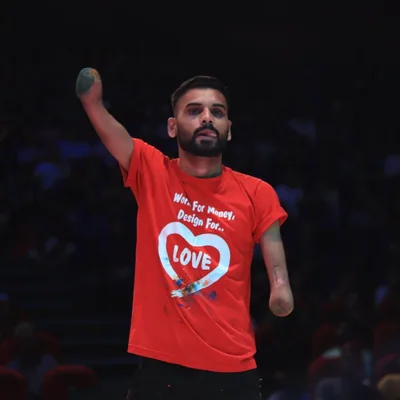
Dhaval Khatri
@uniquedhavalkhatri
195.6K
12.3% ER
K Love The Poet
@klovethepoet
194.6K
13.4% ER
Irma Martínez
@irmastyle
189K
0.2% ER
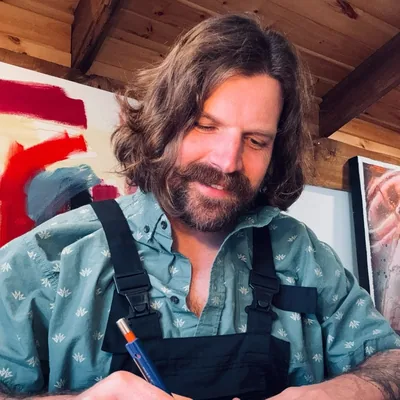
Christopher Kearby
@topherkearby
188.1K
1.6% ER
Michelle Hammer
@schizophrenic.nyc
177.6K
0.2% ER
H A N A L E I S W A N
@hanaleiswan
127.7K
4.2% ER
JeVonDeWand
@jevondewand
126.3K
0.1% ER
Mykell Wilson
@mightymykell
107.5K
100.0% ER
JOJO ABOT
@jojoabot
97.6K
7.3% ER
Kim Gingras | Speaker • Dancer • Wellness & Empowerment
@kimgingras
90.8K
0.6% ER
This is just the top of the list — millions of profiles across several social networks
Sign up free to browse the full segment, filter by size, engagement and location, and export shortlists.
Unlock the full list — free
instme Top Art & Design Speakers — ranked live
About the art & design speakers space
Art speakers: critics, educators, curators, and artist-lecturers
Art speakers sit at the point where visual culture meets interpretation. This segment includes museum educators explaining exhibitions, curators contextualizing collections, art historians unpacking movements, critics discussing contemporary work, practicing artists giving studio talks, and market-aware commentators covering fairs, auctions, and collecting behavior.
The strongest creators in this niche are usually not just showing art; they are translating it. Common formats include short visual explainers on Instagram and TikTok, YouTube lectures, exhibition walkthroughs, artist interviews, carousel essays, livestream Q&A sessions, and clips from talks or panels. Some focus on accessible introductions to art history, while others serve more specialized audiences interested in conservation, provenance, institutional critique, collecting, or creative practice.
Audiences come for clarity, taste, and authority. They want help understanding why an artwork matters, how to read visual references, what an exhibition is trying to say, or how artists build a body of work. For many followers, these creators function as a cultural guide: part teacher, part critic, part curator.
Benchmark it against top art & design creators and top business speakers, ranked from the same live index.
What tends to work in art-speaker partnerships
Credible interpretation performs better than generic endorsement. A campaign is more likely to land when the creator can connect the brand, place, product, or event to a clear cultural idea and show the visual evidence behind that connection.
Work backwards from that: strong formats include hosted exhibition previews, narrated walkthroughs, sponsored educational videos, panel moderation, creator-led talks, artist interview series, and short-form explainers built around one artwork, object, design detail, or theme. On YouTube, longer lectures or conversations can work for deeper positioning. On Instagram and TikTok, concise clips with strong visuals and a single memorable point are usually more practical.
Good fits include museums, galleries, cultural events, art books, creative tools, design-led brands, travel tied to cultural destinations, and education products. The creator should be able to speak naturally about the subject without forcing a sales message into an academic tone.
Pricing is usually shaped by more than follower count. Important drivers include subject-matter authority, verified status, production expectations, whether the creator appears on camera or hosts in person, travel requirements, usage rights, exclusivity, timeline, and the complexity of approvals around artworks or venues. Aggregate segment data shows an average engagement rate of 6.05%, average followers of 130,139, and a verified share of 55.8%, but individual fit and content quality matter more than averages.
Turn this research into results with our step-by-step guide to creator marketing for brands.
Reading authority, audience quality, and content momentum
For art speakers, engagement should be read through the quality of response, not just the volume. Useful signs include thoughtful comments, saves on educational posts, repeat questions from followers, strong completion signals on video where available, and shares among artists, students, curators, collectors, or culturally engaged audiences.
Size is not the only advantage in this segment. The account-size mix is heavily weighted toward smaller and specialist creators, with nano at 38% and micro at 39%, followed by mid at 15%, macro at 5%, and mega at 3%. Smaller creators may deliver more focused credibility with a specific art community, while larger speakers can help with public awareness around a major exhibition, launch, or cultural initiative.
Red flags include captions that summarize art without insight, inconsistent expertise, poor attribution, unclear permissions around artworks, inflated or repetitive comments, sudden audience shifts, and sponsorships that feel unrelated to the creator’s usual cultural lens. Also check whether the creator can handle sensitive topics responsibly, especially around identity, ownership, restitution, and institutional history.
Current content momentum favors short explainers, visually clear exhibition walkthroughs, studio-visit clips, carousel essays, and lecture snippets that make one argument well. Creators who can move between accessible short-form posts and deeper YouTube or live discussion often offer the most flexible partnership options.
You don't have to check these by hand: InstMe's influencer discovery platform bakes them into every free report.
Market snapshot
How this segment breaks down by account size and platform — updated Sep 19, 2026.