
Top Music Creators in South Africa
This is InstMe's live ranking of music creators in South Africa: creators measured on audience size, engagement and posting activity, surfaced from an index of millions of profiles across several social networks. Averages for the segment right now: 175.3K followers and 6.78% engagement.
Brands usually start at the top of the list, but the best opportunities often hide a little deeper — smaller creators here out-engage the big accounts more often than not. Open any profile for its full free report, or create a free account to search, filter and export the entire segment.
Millions
Profiles indexed across networks
175.3K
Avg. followers
6.78%
Avg. engagement
82%
Recently active
35.8%
Verified accounts
Top 21 creators
Ranked by followers
ZINHLE JIYANE
@djzinhle
5.6M
0.7% ER
Pearl Thusi
@pearlthusi
4.8M
0.4% ER
LAWDporry👮🏾💦
@djmaphorisa
3.8M
0.4% ER
Lamiez Holworthy-Morule
@lamiez_holworthy
2.5M
0.1% ER
Mthembeni Ndevu
@emteethehustla
2.3M
1.1% ER
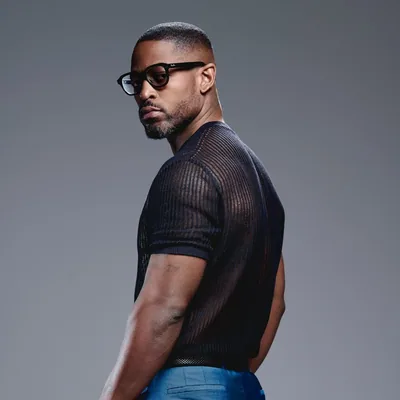
PRINCE KAYBEE
@princekaybee_sa
1.7M
0.4% ER

De-Ben Gogo
@dbngogo
1.6M
0.9% ER
Big Zulu
@bigzulu_sa
1.6M
0.3% ER
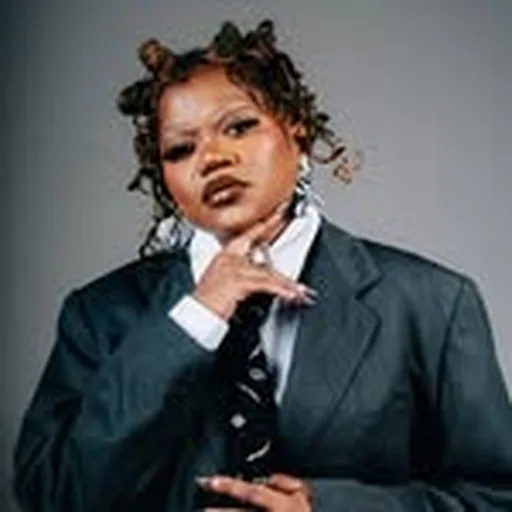
Busiswa Gqulu
@busiswaah
1.6M
0.3% ER
SHIMZA
@shimza.dj
1.3M
0.2% ER
DJ Sbu
@djsbulive
1.3M
0.7% ER
K.O
@mrcashtime
1M
1.4% ER
Thanda Arts Organisation
@thanda.choir
865.9K
21.1% ER
King of the fall
@tylericu
816.7K
0.3% ER
oskidoibelieve
@oskidoibelieve
805.3K
0.1% ER
MASPALA
@aymos_shili
793.1K
6.3% ER
TOSS 🇿🇦
@indabakabani
726.6K
3.2% ER
Nomvelo Makhanya 🤍
@_mvelomakhanya
712.5K
1.7% ER
TTMBHA
@ttmbha
704.6K
0.5% ER
DjKarri
@djkarri_
675.7K
2.3% ER

Mas Musiq
@mas_musiq
614.6K
1.2% ER
This is just the top of the list — millions of profiles across several social networks
Sign up free to browse the full segment, filter by size, engagement and location, and export shortlists.
Unlock the full list — free
instme Top Music Creators in South Africa — ranked live
About the music creators in south africa space
What South African music audiences expect from creator-led content
Viewers come to South African music creators for discovery, identity and access. They want to hear new amapiano drops before they reach radio, see how a producer builds a beat, follow a vocalist from rehearsal to performance, or watch dancers turn a track into a repeatable TikTok moment. The segment is not only performing artists; it also includes DJs, producers, vocal coaches, choir and gospel creators, hip-hop commentators, music reviewers, dancers, instrumentalists, event hosts and studio-based behind-the-scenes accounts.
Short-form video is central because music travels through hooks, choreography and mood. TikTok often carries challenges, snippets and remix culture; Instagram is used for Reels, performance clips, tour updates and lifestyle context; YouTube supports music videos, live sessions, interviews, tutorials and longer commentary. Audiences also respond to local language, township and city references, dance crews, studio footage and content tied to nightlife, festivals or campus culture.
For marketers, this means the creator segment is broader than musicians with released tracks. Some of the most useful partners may be tastemakers who explain scenes, dancers who make songs visible, or DJs who connect a brand to a live audience. The account-size mix is weighted toward smaller accounts, with nano profiles at 49% and micro profiles at 31%, alongside mid, macro and mega creators. That mix gives campaigns room to combine local credibility with broader reach.
Benchmark it against top music creators on Instagram in South Africa and top music creators, ranked from the same live index.
Where music-led partnerships feel natural to viewers
Fans are most receptive when a brand appears inside the music experience rather than around it. A product in a studio session, a fashion item worn in a performance clip, a beverage present at a listening party, or a phone used to film a freestyle can feel organic if the creator’s role is clear. Forced voiceovers or generic discount-led posts tend to sit poorly next to content built on rhythm, confidence and cultural taste.
Effective formats include sponsored Reels or TikToks built around a track snippet, dance or transition; YouTube integrations in performance sessions or interviews; behind-the-scenes content from video shoots; playlist or listening-room concepts; creator-hosted event coverage; and collaborations where a brand supports a release, rehearsal, campus activation or live DJ set. Music creators can also support non-music categories when the fit is about mood and lifestyle: fashion, mobile devices, grooming, food and drink, mobility, financial services for young adults, and entertainment products can all work when tied to a credible scenario.
Performance is often driven by repeatability. A sound that people can reuse, a chorus that encourages comments, or a dance sequence that viewers can copy may create more value than a polished one-off endorsement. Pricing pressure usually comes from audience size, verified status, platform mix, production effort, usage rights, exclusivity, event attendance, music licensing needs and whether the creator is expected to compose, perform, appear, host or simply publish. Verified creators account for 35.5% of the segment, which can matter for trust and recognizability, but it should not replace a close look at fit and audience behavior.
Turn this research into results with our step-by-step guide to creator marketing for brands.
Signals that show real influence in South African music accounts
Audiences reveal quality through saves, rewatches, shares, duet or stitch activity, comments that name a song, requests for release dates, and evidence that viewers recognize the creator’s taste. In music, engagement is not just applause; it can show whether a sound is moving from passive listening into participation. The segment’s average engagement rate is 5.76% and average followers are 158,327, but those figures should be treated as context, not a benchmark for every partnership.
Marketers should compare creators by role. A DJ may be valuable because they shape nightlife discovery; a dancer because they can make a hook visual; a reviewer because they affect opinion; a vocalist because they carry emotional credibility; a producer because they reach other musicians and serious fans. Engagement versus size depends on the campaign goal. For track seeding, cultural adoption or regional relevance, smaller accounts with active comments may outperform larger pages. For launch awareness, event promotion or national reach, larger verified profiles may justify higher costs if the audience is still responsive.
Useful checks include audience geography, language mix, comment quality, recent posting consistency, growth patterns, view-to-follower ratio, branded-content history and whether music posts outperform unrelated lifestyle content. Red flags include copied dance trends with little original personality, inflated-looking comments, sudden unexplained spikes, repeated low-view sponsored posts, unclear rights to music used in content, or a feed that changes genre too often for followers to understand the creator’s taste.
Current trends to watch include amapiano-adjacent dance formats, studio diaries, live performance clips, producer breakdowns, gospel and choir content adapted for short video, street-interview music discovery and cross-platform release storytelling from TikTok to Instagram and YouTube.
You don't have to check these by hand: InstMe's influencer discovery platform bakes them into every free report.
Market snapshot
How this segment breaks down by account size and platform — updated Sep 19, 2026.
Frequently asked questions
Related niches
Narrow it down
Broader segments
Charts for this market
Metric leaderboards for Instagram accounts in South Africa — ranked by the numbers, refreshed daily.