
Top Fashion Creators in South Africa
This is InstMe's live ranking of fashion creators in South Africa: creators measured on audience size, engagement and posting activity, surfaced from an index of millions of profiles across several social networks. Averages for the segment right now: 23K followers and 5.95% engagement.
Brands usually start at the top of the list, but the best opportunities often hide a little deeper — smaller creators here out-engage the big accounts more often than not. Open any profile for its full free report, or create a free account to search, filter and export the entire segment.
Millions
Profiles indexed across networks
23K
Avg. followers
5.95%
Avg. engagement
69%
Recently active
15.5%
Verified accounts
Top 21 creators
Ranked by followers
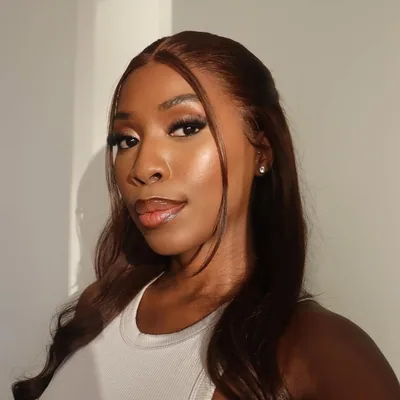
Zama Marubelela
@zeexonline
129.6K
17.4% ER

Moosa's Sales Room
@moosas_fabrics
98.8K
17.8% ER
Boss Models South Africa
@bossmodelsa
77.2K
0.2% ER
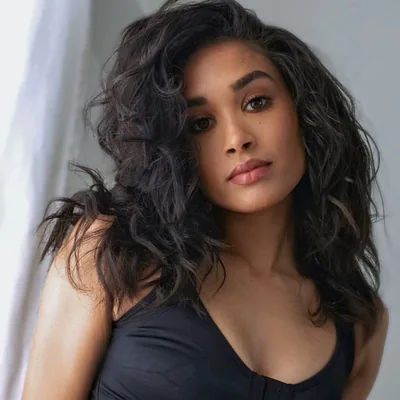
Sinéad de Vries
@sineaddevries
72.6K
0.6% ER
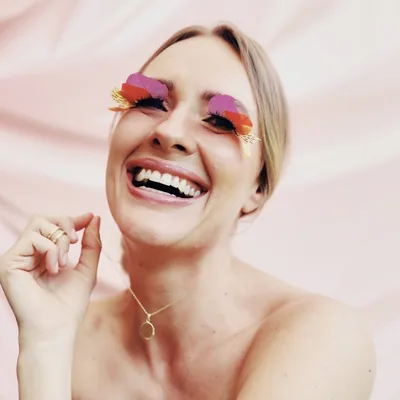
Misha Levin 🧿
@_mishalevin
70.8K
3.2% ER
Lungelo N Nkosi
@lungelonkosi
69.7K
1.1% ER
Palesa Ramatsie
@dj.lesa
67.1K
0.2% ER

Leddi Radebe
@leddi_g
58.8K
0.1% ER
Thato Mashigo
@domboloooo
55K
6.2% ER

LushaWill Design
@lushawill
52.4K
10.3% ER

3 D M O D E L A G E N C Y
@3dmodelagency
49.3K
0.7% ER
Mmakgoshi
@sepedi.selfcare
47.3K
2.1% ER

Chommie designs
@chommie_designs
43.9K
0.0% ER
Simon and Mary
@simonandmary
33.5K
2.6% ER

The Next Opulent Model South Africa ™️
@thenextopulentmodelsouthafrica
29.5K
0.3% ER
Topco Models
@topcomodels
27.4K
0.5% ER
ziyanda sibitiela.💕🇿🇦
@itss.not.gabrielle
26.5K
13.9% ER
Adeola
@adeolaariyo
23.5K
0.6% ER
The Model Academy
@the_model_academy
23.4K
0.4% ER
Diamond Boi💎
@kevndlovu
22.5K
14.3% ER
The Circle Model Management
@thecirclemodels
22.3K
0.7% ER
This is just the top of the list — millions of profiles across several social networks
Sign up free to browse the full segment, filter by size, engagement and location, and export shortlists.
Unlock the full list — free
instme Top Fashion Creators in South Africa — ranked live
About the fashion creators in south africa space
South African fashion audiences look for wearable style, identity and local context
Viewers in this category are usually not just browsing outfits; they are looking for ideas that fit real social settings, weather, budgets and cultural codes in South Africa. Strong creators often translate fashion into everyday use: workwear, campus looks, church outfits, wedding guest styling, modest fashion, streetwear, thrifted pieces, sneaker-led outfits, luxury styling, beauty-and-fashion pairings, and occasion dressing for events, shoots or nights out.
Content formats tend to be highly visual and practical. Common posts include try-on hauls, outfit transitions, styling challenges, wardrobe edits, shopping vlogs, GRWM videos, lookbooks, trend commentary, brand unboxings and short-form outfit breakdowns on Instagram, TikTok and YouTube. Many creators also mix fashion with lifestyle, beauty, travel, fitness or entertainment, which can broaden audience appeal while still keeping clothing central.
Typical archetypes include the polished editorial dresser, the affordable-fashion finder, the streetwear tastemaker, the luxury aspirational creator, the personal stylist, the thrifter, the modest dresser and the creator whose fashion influence comes through broader lifestyle content. Audiences come for inspiration, but they also look for confidence cues: how an item fits, how it moves, whether it photographs well, and whether it feels credible in a South African setting.
Compare this market with top music creators in South Africa and top fashion creators — same live rankings, same data pipeline.
Campaigns work best when the outfit has a reason to be worn
Followers respond more strongly when fashion appears inside a believable moment: getting ready for a launch, styling one item three ways, building a capsule wardrobe, comparing fits, packing for a trip, or showing how a look changes from day to night. For marketers, these contexts usually create more useful content than a simple product pose because they show the garment, accessory or footwear in motion and give the audience a reason to save, share or ask questions.
Effective collaboration formats include sponsored outfit reels, TikTok styling videos, Instagram carousel lookbooks, YouTube haul integrations, creator-led product drops, affiliate links, event attendance, store visits, seasonal edits and long-term ambassador work. For fashion, repeat exposure can matter: audiences often need to see a creator wear an item more than once before it feels like a genuine part of their wardrobe.
Price is usually shaped by more than follower count. Factors include content quality, production effort, exclusivity, usage rights, the number of deliverables, platform mix, turnaround time, whether the creator must travel, and how closely their audience matches the brand’s target customer. Segment averages can provide context: fashion creators in South Africa indexed by InstMe show an average follower count of 28,410, an average engagement rate of 6.65%, and a verified share of 13.0%. The account-size mix is weighted toward nano and micro creators, which makes creator fit and audience trust especially important.
Planning a campaign here? Our playbook on fashion influencer marketing covers strategy, pricing and measurement.
Signals that separate influence from attractive outfit posts
Viewers reveal the value of a fashion creator through the way they interact with specific looks. Comments asking where to buy, how sizing runs, what the fabric feels like, whether an item is worth it, or how to style it for a different body type are stronger signals than generic compliments. Saves, shares, repeat views and link activity can be especially meaningful because fashion decisions often happen after comparison and reconsideration.
For marketers, engagement should be read alongside audience relevance, not in isolation. A smaller creator with consistent outfit authority, clear South African audience concentration and frequent purchase-intent comments may be more useful than a larger account with broad but passive reach. The segment’s mix, with nano at 48% and micro at 46%, reinforces the need to look beyond size. Mid-size accounts represent 7%, while macro and mega shares are shown as 0% in the provided mix, so campaign planning should account for a creator landscape where smaller communities carry much of the influence.
Useful checks include audience location, age and gender fit; engagement rate by post type; comment quality; posting consistency; brand-safety history; visual standards; and whether previous sponsored content blended naturally with organic posts. Red flags include sudden engagement spikes without clear cause, repetitive low-effort captions, unrelated audience comments, heavy discount-only positioning, poor disclosure habits, and a feed where every look appears sponsored.
Current content trends favor styling utility over static aspiration: outfit formulas, thrift and budget finds, creator-curated wardrobes, local designer discovery, modest and body-inclusive styling, event dressing, GRWM storytelling, and short videos that show texture, fit and movement. The strongest creators make fashion feel both desirable and usable.
All of these vetting signals come built into InstMe's influencer marketing platform — free reports on every profile above.
Market snapshot
How this segment breaks down by account size and platform — updated Sep 19, 2026.
Frequently asked questions
Related niches
Broader segments
Charts for this market
Metric leaderboards for Instagram accounts in South Africa — ranked by the numbers, refreshed daily.