
Top Food Creators in Canada
This is InstMe's live ranking of food creators in Canada: creators measured on audience size, engagement and posting activity, surfaced from an index of millions of profiles across several social networks. Averages for the segment right now: 113.7K followers and 8.31% engagement.
Brands usually start at the top of the list, but the best opportunities often hide a little deeper — smaller creators here out-engage the big accounts more often than not. Open any profile for its full free report, or create a free account to search, filter and export the entire segment.
Millions
Profiles indexed across networks
113.7K
Avg. followers
8.31%
Avg. engagement
64%
Recently active
30.9%
Verified accounts
Top 21 creators
Ranked by followers
Gino D’Acampo
@iamginodacampo
2.5M
6.2% ER

Mark Carney
@markjcarney
2.1M
0.6% ER

Kelly Chan
@kellychan360
1.2M
0.5% ER

Jyoti Nanra
@thepurplecupcake_
734.1K
2.3% ER
Canada 🇨🇦 Travel | Hotels | Food | Tips 🍁
@canada.explores
723.5K
0.7% ER

MONTREAL ONLY | MTL ONLY
@montrealonly
470.9K
1.1% ER

Huma Khan
@humainthekitchen
346.9K
0.4% ER
Bites Canada
@bitescanada
235.6K
0.7% ER

Soframiz | Recipe creator | Home cooking & garden life 🌱
@soframiz
162.9K
0.2% ER

brendan mikan
@brendanmikan
152.6K
1.1% ER
Angus Nguyen
@itsangusnguyen
143.8K
23.5% ER
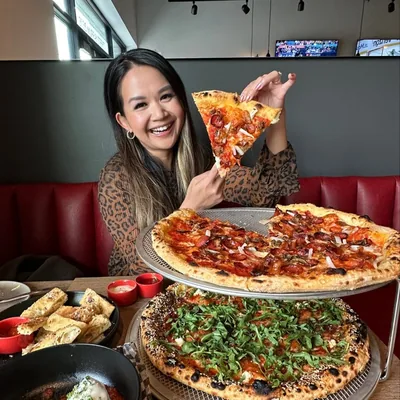
Deanna Woo
@deannawoo
139.9K
7.1% ER

Lisa Le
@thevietvegan
129.1K
0.5% ER

J O Y McCarthy
@joyoushealth
111.4K
0.5% ER
Kicking Horse Mountain Resort
@kickinghorsemtn
99.9K
1.1% ER

Jessika
@wholesome_hearty_eats
99.3K
4.7% ER

Jasmeet Singh 🇮🇳🇨🇦|| Influencer
@jasmeet_turbotoyz
95.4K
0.9% ER
Julien Demonchy
@ju_dmy
93.8K
2.4% ER

Lauren Toyota (vegan chef & creator)
@laurentoyota
83.5K
0.6% ER

Richelle Brooke
@therivercitysisters
77.9K
8.3% ER
Shaik Yasin | chef 🇨🇦 📍Hyderabadi 🇮🇳
@chef_yasinshaik_offical_
72K
22.1% ER
This is just the top of the list — millions of profiles across several social networks
Sign up free to browse the full segment, filter by size, engagement and location, and export shortlists.
Unlock the full list — free
instme Top Food Creators in Canada — ranked live
About the food creators in canada space
Canadian food content viewers save for dinner, trips, and comfort
Viewers follow Canadian food creators for practical discovery: where to eat this weekend, what to cook after work, which packaged products are worth trying, and how familiar dishes change across regions and cultures. The segment spans restaurant reviewers, home cooks, bakers, meal-prep creators, grocery and budget-food accounts, nutrition-focused educators, coffee and cocktail specialists, and travel-led food guides covering city neighborhoods and provincial destinations.
Common formats include short recipe videos on TikTok and Instagram Reels, restaurant roundups, grocery hauls, taste tests, chef interviews, long-form YouTube cooking tutorials, and seasonal guides tied to holidays, farmers markets, patio season, or winter comfort food. Audiences often come for trust and utility rather than polish alone: clear shots of texture, honest reactions, ingredient substitutions, menu details, and directions that make the recommendation easy to act on.
Creator archetypes range from nano and micro local experts with strong community relevance to larger food personalities who can shape broader awareness. In the provided segment mix, nano creators account for 44% and micro creators 42%, which makes local credibility a defining feature, while mid, macro, and mega accounts support broader reach when campaigns need national visibility.
Compare this market with top music creators in Canada and top food creators on Instagram in Canada — same live rankings, same data pipeline.
What viewers accept as useful food promotion in Canada
Audiences are most receptive when sponsored content helps them decide what to eat, buy, cook, or visit. A product mention works better when it appears inside a real use case: a weeknight recipe, a lunchbox idea, a comparison taste test, a hosting spread, or a stop on a neighborhood food crawl. For restaurants and hospitality brands, formats that show arrival, ordering, price context without hard claims, atmosphere, and the final plate tend to feel more useful than a single beauty shot.
For marketers, effective collaborations often include recipe integrations, limited-time menu launches, store or delivery app discovery, seasonal product sampling, creator-hosted tastings, and city-specific guides. Instagram is useful for visual discovery and saves, TikTok for fast experimentation and trend-led formats, and YouTube for deeper recipes, reviews, and travel-food narratives. Usage rights, exclusivity, production complexity, travel requirements, posting cadence, platform mix, and whether the creator is expected to develop a recipe or simply feature an item all influence cost.
Performance usually depends on fit more than follower count. A small creator known for Montreal bakeries, Vancouver ramen, or Toronto grocery finds may outperform a larger general lifestyle account for a location-specific campaign. The segment’s average engagement rate is 6.14%, with an average follower count of 115,770, but campaign planning should still separate awareness goals from action-oriented goals such as reservations, store visits, redemptions, saves, or recipe trials.
Planning a campaign here? Our playbook on food and beverage influencer marketing covers strategy, pricing and measurement.
Signals that Canadian food audiences trust a creator
Viewers look for evidence that the creator actually ate, cooked, compared, or visited what they recommend. Useful cues include original footage, specific sensory descriptions, clear ingredient or menu details, realistic portions, and consistency across posts. Comments often reveal whether followers ask for addresses, substitutions, dietary notes, or follow-up recommendations, which is more meaningful than generic praise.
Marketers should assess engagement quality, not only engagement volume. Saves, shares, comment intent, repeat viewers, and location relevance are especially important for food campaigns. For local restaurant or retail activations, audience geography and city concentration matter as much as total reach. For packaged food or kitchen products, review whether the creator can make the item central to a recipe or routine without forcing it. The verified share in this segment is 31.0%, which can be a credibility signal, but it should not replace content review and audience fit.
Red flags include repetitive sponsored posts with little personal context, stock-like visuals, vague captions that could apply to any dish, sudden spikes in engagement without matching comment depth, and recommendations outside the creator’s usual food lane. Current content trends include highly specific neighborhood guides, transparent taste testing, high-protein and budget-conscious meals, immigrant and regional food storytelling, cozy home cooking, and short videos that show the full decision path from craving to final bite. InstMe can help compare these signals across Instagram, YouTube, and TikTok profiles before outreach.
All of these vetting signals come built into InstMe's influencer marketing platform — free reports on every profile above.
Market snapshot
How this segment breaks down by account size and platform — updated Sep 19, 2026.
Frequently asked questions
Related niches
Narrow it down
Broader segments
Charts for this market
Metric leaderboards for Instagram accounts in Canada — ranked by the numbers, refreshed daily.