
Top Music Brand Ambassadors
How does the market for music brand ambassadors actually look? In short: the segment averages 773.9K followers at 4.92% engagement, and 67% of it is nano or micro accounts — the tier most brands lean on for authentic, budget-friendly collaborations. The data comes from InstMe's index of millions of profiles across several social networks.
Below you'll find the current top creators, a snapshot of how the segment splits by account size and platform, and answers to the questions brands ask us most. Everything refreshes automatically as our pipeline rescans profiles.
Millions
Profiles indexed across networks
773.9K
Avg. followers
4.92%
Avg. engagement
86%
Recently active
56.1%
Verified accounts
Top 21 creators
Ranked by followers
Davido
@davido
31.5M
0.6% ER
Mai Omar
@maiomar_
22M
0.1% ER
SIMBA..!🦁
@diamondplatnumz
18.7M
0.4% ER
Karima Gouit ⵣ
@karimagouit
6.2M
0.8% ER
Nia Long
@iamnialong
5.1M
3.0% ER
Igwe 2pac
@charles_okocha
5M
1.1% ER
Nomzamo Mbatha (Nxumalo)🇿🇦
@nomzamo_m
4.8M
1.3% ER
Yousra يسرا
@yousra
3.9M
0.3% ER
Mide Funmi Martins
@mydemartins
3.8M
0.0% ER

Erra Fazira
@errafazira
3.7M
0.2% ER

Michelle Yeoh 楊紫瓊
@michelleyeoh_official
2.7M
0.4% ER
Elizabeth Joyce
@portablebaeby
2.4M
0.1% ER
Gemma Chan
@gemmachan
2M
1.2% ER

El Sucio GUAPO
@peruzzi_vibes
1.9M
0.5% ER
Catherine
@catherinebascoy
1.8M
0.5% ER

Ali Jita
@alijita1
1.7M
0.8% ER
Malte Marten
@maltemarten
1.5M
1.1% ER
Arica Adams Music + Lifestyle + Mommy & Mini Content
@hazelebaby
1.4M
0.3% ER
Thiago Mansur / ATKÖ ≠
@atko
1.2M
0.6% ER
𝒀𝑨𝑺𝑴𝑰𝑵𝑬
@yasmine_official_
1.2M
1.0% ER
Dj Nya Lee
@og_nya.lee
994.4K
0.3% ER
This is just the top of the list — millions of profiles across several social networks
Sign up free to browse the full segment, filter by size, engagement and location, and export shortlists.
Unlock the full list — free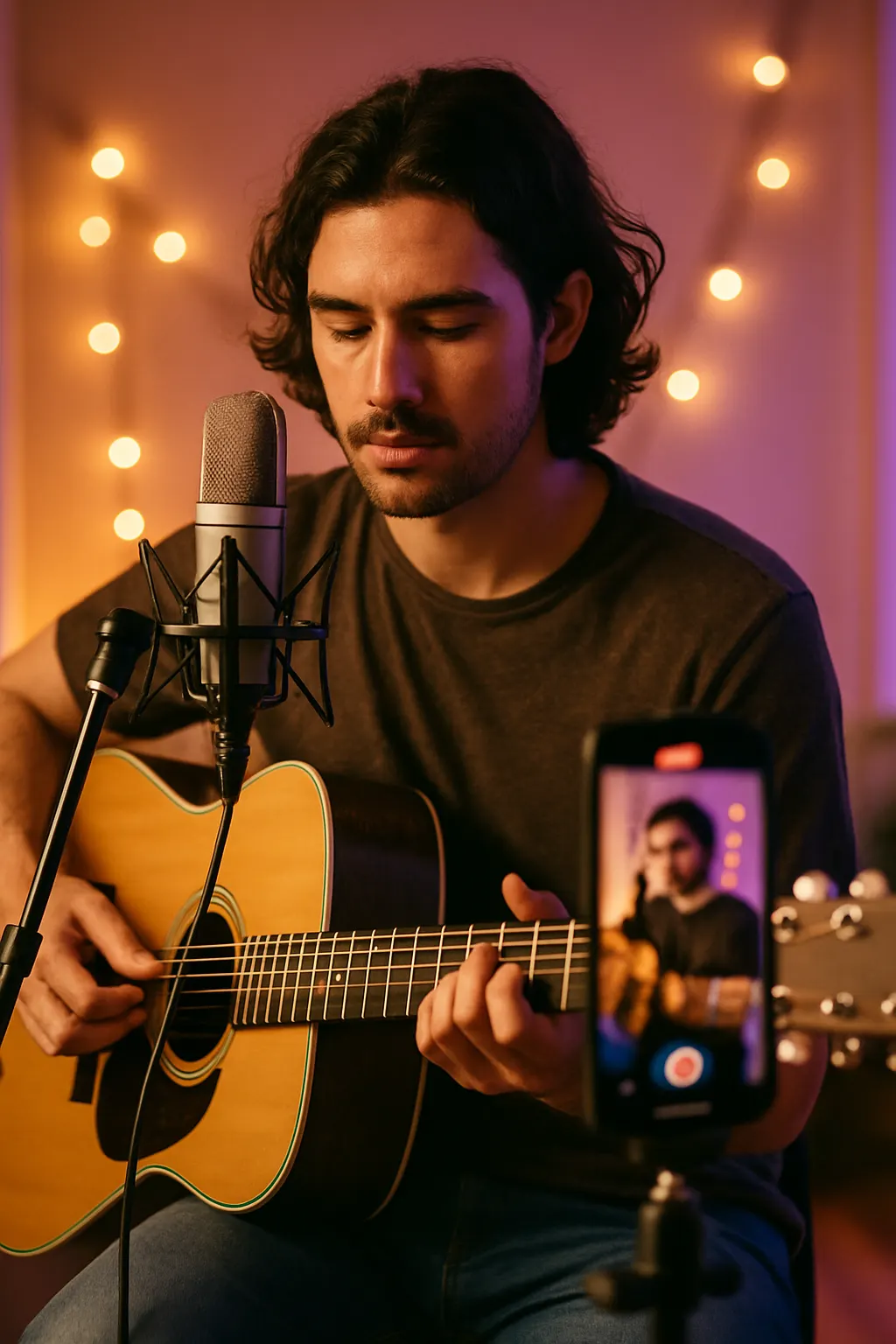
instme Top Music Brand Ambassadors — ranked live
About the music brand ambassadors space
Where music ambassadorship differs from general creator work
Music brand ambassadors sit at the intersection of fandom, performance, taste-making, and lifestyle. They are not limited to artists promoting their own releases. This segment also includes DJs, producers, vocal coaches, instrumentalists, music educators, playlist curators, studio engineers, festival personalities, and culture-focused commentators on Instagram, YouTube, and TikTok.
The content mix is broader than standard endorsement content. Audiences may come for live performance clips, gear setups, remix challenges, behind-the-scenes studio sessions, tour diaries, reaction videos, vocal breakdowns, tutorials, setlists, music-history commentary, or everyday lifestyle content shaped by a recognizable sound. The strongest ambassadors usually have a clear musical identity: a genre lane, a performance skill, a local scene, or a consistent point of view about sound and culture.
Compared with general lifestyle creators, trust is often tied to taste and credibility. A creator’s audience may care less about polished production and more about whether the person can actually play, produce, select, critique, or introduce music in a way that feels authentic.
Compare this market with top fitness brand ambassadors and top music creators — same live rankings, same data pipeline.
Partnership formats that fit music-led influence
Music partnerships work best when the brand can become part of a creator’s creative process rather than sit beside it. Effective formats include sponsored studio sessions, branded live-performance clips, gear demonstrations, playlist or sound curation, backstage coverage, tour-day integrations, tutorial content, challenge prompts, and short-form videos built around a specific hook, beat, lyric, or transition.
For music tech, instruments, headphones, apparel, beverage, travel, and event brands, the most natural placements show the product in use: recording a vocal take, preparing for a DJ set, packing for a festival, filming a rehearsal, or breaking down how a track was made. On YouTube, longer tutorials and gear comparisons can carry more explanation. On TikTok, repeatable audio ideas, duets, and performance snippets often matter. On Instagram, Reels, Stories, and carousel recaps can connect performance moments with lifestyle context.
Pricing is usually shaped by audience size, verification status, music credibility, production requirements, platform mix, exclusivity, usage rights, event attendance, travel, turnaround time, and whether the creator is also performing, composing, licensing music, or producing original assets. In this segment, a smaller creator with a loyal genre community can be more valuable than a larger generalist if the audience is highly aligned with the brand’s sound, scene, or product use case.
Planning a campaign here? Our playbook on managing creator campaigns as an agency covers strategy, pricing and measurement.
Signals that separate real music influence from surface reach
The aggregate profile for music brand ambassadors shows an average follower count of 743,991, an average engagement rate of 5.39%, and a verified share of 56.0%. The account-size mix is also varied: nano creators represent 37%, micro 31%, mid 13%, macro 7%, and mega 12%. That mix matters because music influence often grows from niche loyalty before it becomes broad visibility.
Engagement should be read in context. Saves, shares, comments about technique, song choice, live shows, equipment, or genre references can signal a more invested audience than generic praise. For YouTube, watch time patterns and comment depth matter for tutorials, reviews, and performances. On TikTok and Instagram, repeat views, remix participation, and comments that reference the sound or performance can indicate stronger cultural traction.
Useful review points include audience geography, genre fit, posting consistency, live-performance credibility, past sponsorship density, audio quality, and whether branded posts perform close to organic music content. Red flags include inflated-looking comment sections, sudden unexplained follower jumps, mismatched audience location, heavy unrelated sponsorships, unclear rights around music used in posts, or content that relies on trends without a distinctive musical role.
Current trends favor short performance clips, studio-process storytelling, creator-made sounds, nostalgic genre references, live-event recaps, and educational breakdowns that make music feel accessible. The best-fit ambassadors are usually those whose audience follows them for a specific musical judgment, skill, or scene connection—not just their reach.
All of these vetting signals come built into InstMe's influencer marketing platform — free reports on every profile above.
Market snapshot
How this segment breaks down by account size and platform — updated Sep 19, 2026.