
Top Beauty Brand Ambassadors
How does the market for beauty brand ambassadors actually look? In short: the segment averages 235.5K followers at 8.74% engagement, and 75% of it is nano or micro accounts — the tier most brands lean on for authentic, budget-friendly collaborations. The data comes from InstMe's index of millions of profiles across several social networks.
Below you'll find the current top creators, a snapshot of how the segment splits by account size and platform, and answers to the questions brands ask us most. Everything refreshes automatically as our pipeline rescans profiles.
Millions
Profiles indexed across networks
235.5K
Avg. followers
8.74%
Avg. engagement
81%
Recently active
51.9%
Verified accounts
Top 21 creators
Ranked by followers
Camila Figueiredo Coelho
@camilacoelho
10.5M
0.4% ER
Patricia Nikole
@paintedhair
1.1M
2.6% ER
Emily Chen
@emchenhair
866.3K
2.2% ER
Caroline Hirons
@carolinehirons
790.4K
0.5% ER
Rebecca Judd
@becjudd
741.6K
0.3% ER
Reema Jaber
@hairbyreema
702.2K
0.8% ER
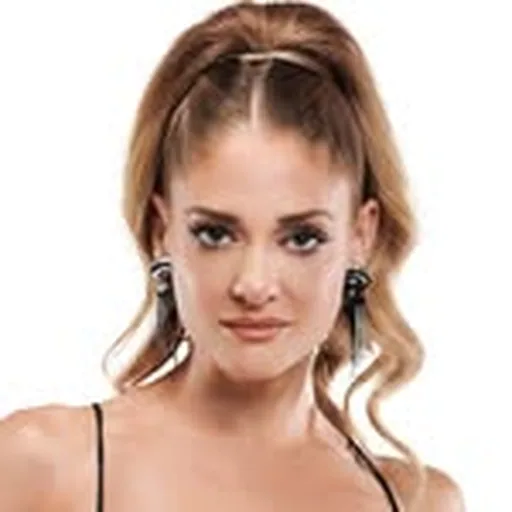
Ashlee Norman
@ashleenormanhair
370.5K
4.9% ER
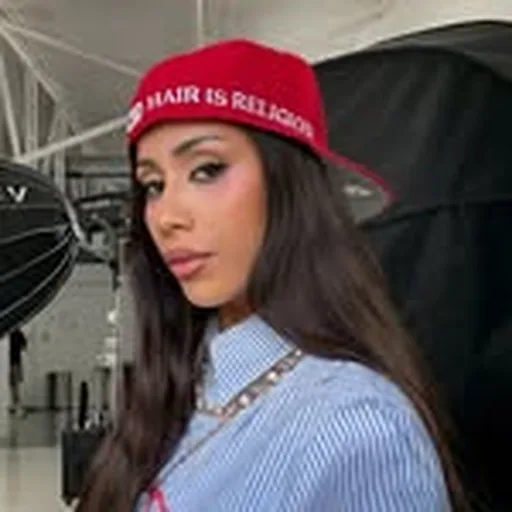
MARGUERITE PERRY
@maggiemh
342.2K
5.7% ER
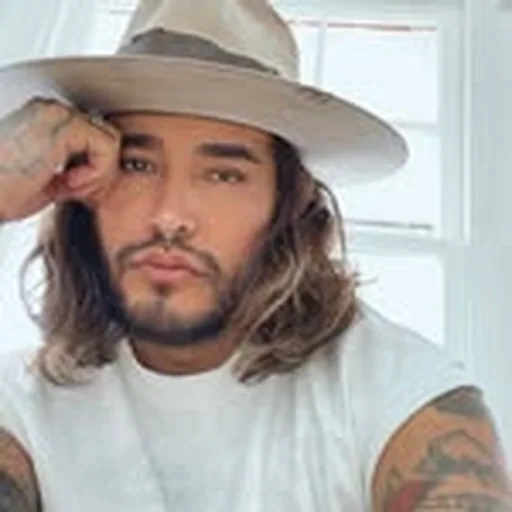
Daniel Mora Ayala
@danielmbeauty
212.2K
0.0% ER
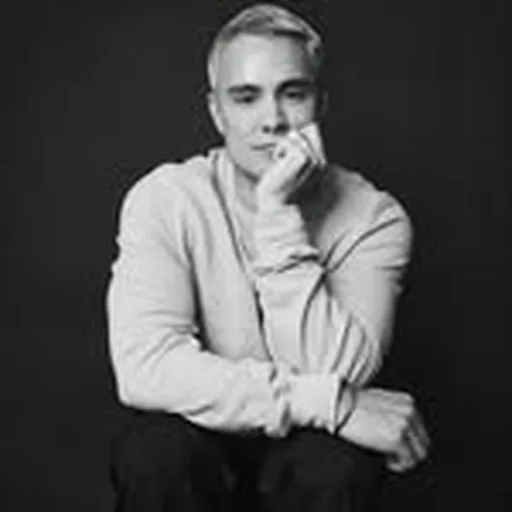
Marc Mena
@marcmena
162.8K
58.9% ER
Hirsch Hunty
@nailsbyhirsch
151.6K
0.1% ER
MAX GOURGUES
@maxgourgues
112.8K
3.4% ER
Pete Burkill Hair
@peteburkill
104.3K
100.0% ER
Seattle Interior & Architecture Photographer
@_karamercer
103.7K
0.6% ER
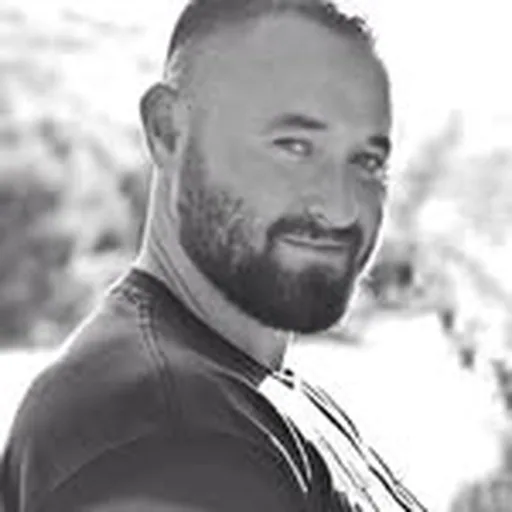
Owen Gould
@owengould
79.2K
45.7% ER
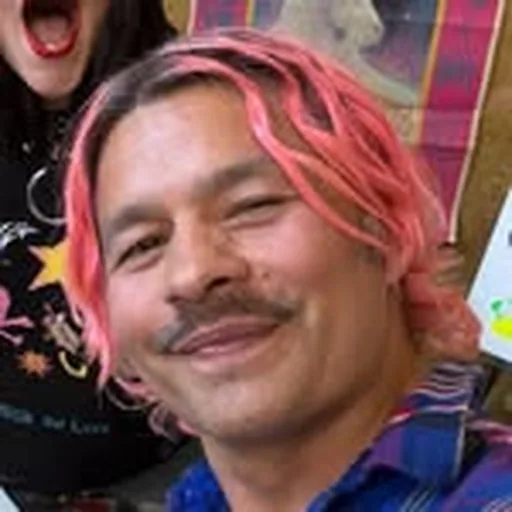
Daniel Moon- HAIR LOS ANGELES
@majormoonn
50.6K
1.7% ER
JAY
@jayb.hair
42.6K
3.3% ER
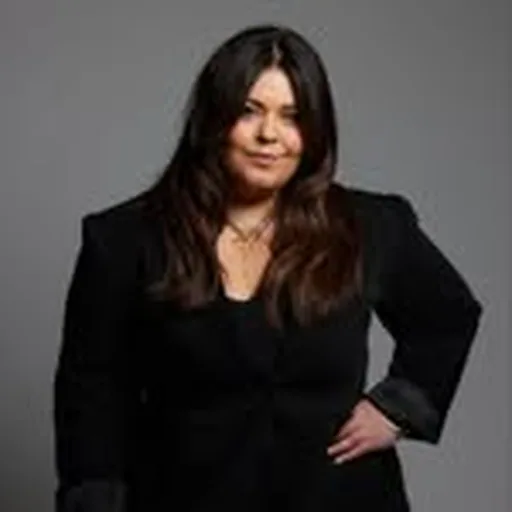
MARIE UVA
@marieuva
39.9K
3.0% ER
L I S A W I P F L I
@lisawipfli
39.1K
0.6% ER
Corinna Calori | 𝗧𝗵𝗲 𝗕𝗿𝗼𝘄 𝗟𝗼𝘂𝗻𝗴𝗲 | 𝗣𝗲𝗿𝗺𝗮𝗻𝗲𝗻𝘁 𝗠𝗮𝗸𝗲𝘂𝗽
@corinnacalori
37.2K
3.4% ER
#SnatchedBySlimB
@slimbarbiie
34K
0.8% ER
This is just the top of the list — millions of profiles across several social networks
Sign up free to browse the full segment, filter by size, engagement and location, and export shortlists.
Unlock the full list — free
instme Top Beauty Brand Ambassadors — ranked live
About the beauty brand ambassadors space
Beauty ambassadors are built around repeat trust
Beauty brand ambassadors differ from general beauty creators because the relationship is expected to feel continuous, not campaign-by-campaign. Their content usually sits around routines, product education, texture demonstrations, shade matching, skin updates, hair transformations, fragrance layering, and “what I actually use” edits. The most effective accounts make products appear inside a recognizable personal system: morning skin care, get-ready-with-me makeup, wash-day hair care, nail maintenance, or seasonal beauty resets.
Sub-genres vary widely. Some ambassadors are ingredient-led skin-care explainers, some are makeup artists with tutorial authority, some focus on curly hair, clean girl aesthetics, acne journeys, mature skin, luxury fragrance, drugstore finds, or beauty for specific skin tones and undertones. Audiences come for practical confidence: how a product wears, whether a shade suits real lighting, how a formula behaves over time, and how a creator’s standards compare with their own. On Instagram, TikTok, and YouTube, the ambassador format works best when viewers can follow a creator’s preferences across many posts and understand why a recommendation fits.
See how it stacks up next to top beauty creators and top fitness brand ambassadors before you shortlist.
Longer beauty partnerships need visible product use
A beauty ambassador program is usually stronger when it moves beyond a single reveal. Product integration can include routine placements, launch teasers, GRWM videos, before-and-after documentation, tutorial series, live application, empties-style mentions, shade range walk-throughs, and YouTube reviews that give more room for wear tests. Short-form video often carries discovery, while Instagram can reinforce aesthetic consistency and YouTube can support deeper evaluation.
What tends to perform in this segment is specificity. “This foundation is good” is weaker than showing oxidation, coverage build-up, how it sits on texture, or how it looks after hours of wear. For hair and skin care, progress content can be persuasive, but it needs careful claims control and realistic framing. Ambassador content also benefits from recurring verbal cues: why the creator keeps returning to the product, what problem it solves, and who it is not for.
Pricing is shaped by more than follower count. Usage rights, exclusivity within a beauty category, length of commitment, number of deliverables, production complexity, product launch timing, platform mix, and whether the creator is expected to attend events or appear in paid ads all affect value. Verification and visibility can matter: this segment shows a high verified share of 59.7%, but smaller creators can still be valuable when their audience treats them as a trusted routine reference.
For briefs, pricing benchmarks and outreach templates, read our guide to influencer marketing for beauty brands.
The best beauty fit shows up in comments, consistency, and camera proof
Beauty ambassador evaluation should start with evidence of influence over product consideration, not just reach. The segment’s average engagement rate is 6.34%, and average followers are 368540, but the account-size mix is broad: micro creators account for 37% and nano creators for 31%, with mid, macro, and mega creators playing different roles. Larger accounts can create awareness quickly; smaller accounts often provide detailed interaction, repeat Q&A, and stronger perceived access.
Useful metrics include engagement quality, saves on tutorials, repeat commenters, view consistency across product-led posts, audience geography, audience gender and age fit where available, and the share of sponsored content. For beauty, comment content matters especially: questions about shades, skin type, application, wear time, scent, ingredients, or where to buy signal active product evaluation. Compare sponsored posts with organic beauty posts to see whether trust holds when a brand is present.
Red flags include filters that hide product performance, inconsistent skin or hair claims, constant switching between direct competitors, unclear disclosure, overly polished demos with no wear context, and comment sections dominated by generic praise rather than product questions. Current content trends favor unfiltered texture, side-by-side shade comparisons, “underconsumption” beauty routines, dermatologist- or stylist-informed explanations, fragrance storytelling, and creator-led product edits. The strongest ambassadors make beauty feel testable: audiences can see the product, understand the use case, and decide whether the recommendation fits their own routine.
Skip the manual checks — InstMe's influencer search platform surfaces these signals automatically in every free report.
Market snapshot
How this segment breaks down by account size and platform — updated Sep 19, 2026.