
Top Fashion Brand Ambassadors
InstMe keeps a live ranking of fashion brand ambassadors across platforms, drawn from an index of millions of profiles across several social networks. The typical account here averages 306.9K followers with a 9.67% engagement rate — real numbers from our monitoring pipeline, not a directory that quietly goes stale.
One thing worth knowing before you scroll: 74% of the creators in this segment are nano or micro accounts (under 100K followers), the tier where engagement runs warmest and collaborations cost the least. Shortlist a few names below, then open any profile for its full free report: growth trend, audience quality, benchmarks and estimated media value.
Millions
Profiles indexed across networks
306.9K
Avg. followers
9.67%
Avg. engagement
74%
Recently active
42.3%
Verified accounts
Top 21 creators
Ranked by followers
Asmaa Ibraheem
@asmaa_ibraheemofficial
13.3M
0.1% ER
Gemma Styles
@gemmastyles
9.7M
1.8% ER
yuvannamontalvo
@yuvannamontalvo
4.6M
1.5% ER
Dimitris Giannetos
@dimitrishair
2.2M
0.7% ER
YL✨
@yhemo_lee
1.7M
3.6% ER
AMAL UMAR
@realamalumar
1.5M
0.7% ER
Victoria Silvstedt Official
@victoriasilvstedt
1.4M
1.2% ER
Jordan Rand
@jordan_rand
1.3M
9.5% ER

Yvette Mari
@evie_spice
1.1M
0.5% ER
Kelease 🌿 | Fashion Influencer
@kelsgorgeous
869.4K
4.4% ER
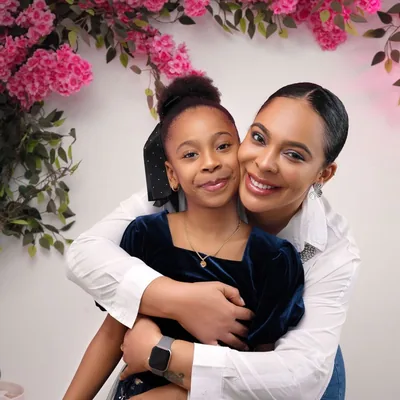
TBoss Idowu📺
@officialtboss_
844.1K
0.8% ER
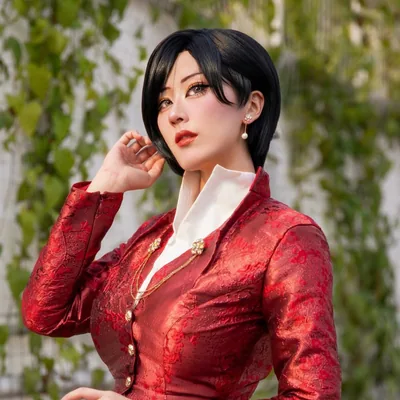
Larissa Rochefort
@larissarochefort
637.2K
1.4% ER
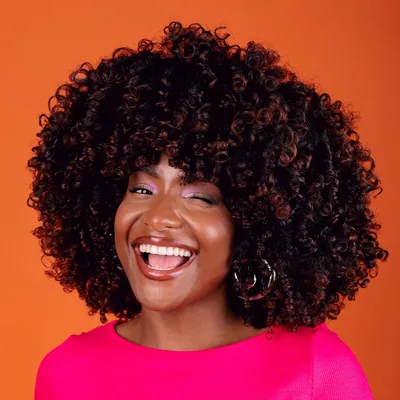
Kenidia D Quinones Alamo
@curlingmekrazy
598.4K
19.9% ER
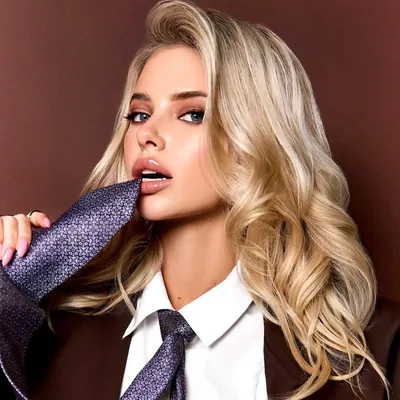
Daria Bondar (Savina)
@savinadasha
526.1K
3.5% ER
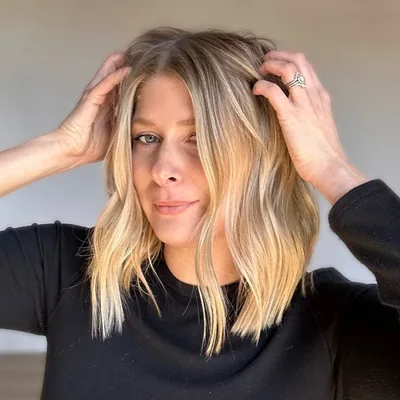
Adina Pignatare | BALAYAGE | HAIR VIDEOS | EDUCATOR
@adina_pignatare
363.7K
0.3% ER
Cecilia Godfrey ✨
@iamceccy
357.4K
0.8% ER
Yesica Lorena
@yesslorenban
343.2K
2.6% ER
Chandra Josette Giambrone • Greek-istani Family
@cee_jae_gee
316.9K
4.3% ER

Junior Simo
@juniorsimo_
281.7K
11.4% ER

Alvise Rigo
@alvise_rigo
269.1K
2.8% ER
Luznell Santander
@luznellsan
232.9K
2.6% ER
This is just the top of the list — millions of profiles across several social networks
Sign up free to browse the full segment, filter by size, engagement and location, and export shortlists.
Unlock the full list — free
instme Top Fashion Brand Ambassadors — ranked live
About the fashion brand ambassadors space
From mirror-fit checks to full wardrobe worlds
A typical post might start with a hallway mirror, a cropped blazer, straight-leg denim, and a creator explaining why the proportions work before linking the same outfit in a Reel, TikTok, or YouTube short. Fashion brand ambassadors often turn everyday dressing into repeatable series: workwear capsules, modest styling, streetwear drops, luxury unboxings, sneaker rotations, festival looks, sustainable swaps, maternity outfits, or plus-size fit reviews.
The strongest ambassadors are not only models for a label. They are translators of taste. Some are polished editorial personalities with verified accounts and high production value. Others are micro and nano creators who document realistic dressing rooms, commute outfits, tailoring tips, or “three ways to wear” formats. Audiences come for visual inspiration, but they stay for fit guidance, styling confidence, and signals about what is worth buying now.
Benchmark it against top fitness brand ambassadors and top fashion creators, ranked from the same live index.
Partnership formats that make clothing feel wearable
Fashion partnerships work best when the creator can show movement, texture, sizing, and context. Static campaign imagery can still be useful, especially on Instagram, but try-ons, outfit transitions, packing videos, GRWM clips, haul edits, styling challenges, and seasonal capsule content usually give audiences more buying information. On YouTube, longer lookbooks and closet edits can support higher-consideration purchases; on TikTok, quick transformations and trend-led styling hooks can make a product feel current fast.
Ambassador programs often combine recurring posts with story-style updates, affiliate links, discount codes, product seeding, event attendance, and limited capsule launches. Performance tends to improve when creators have permission to style pieces in their own aesthetic rather than recite product claims. Repetition matters too: a coat worn across several weeks can be more persuasive than a single polished reveal.
Pricing is shaped by audience size, platform mix, exclusivity, usage rights, production expectations, category fit, and the creator’s past ability to drive saves, clicks, and sales signals. In this segment, verified status can add perceived credibility; the aggregate verified share is 43.1%. But verification alone should not outweigh audience fit or content quality.
Turn this research into results with our step-by-step guide to fashion influencer marketing.
Signals that separate influence from good styling
Fashion is highly visual, so engagement should be read alongside intent. The aggregate average engagement rate for this segment is 6.18%, with average followers at 429,004, but size is only one layer. The account-size mix is heavily weighted toward micro creators at 46% and nano creators at 28%, with mid at 15%, mega at 8%, and macro at 3%. That mix matters because smaller ambassadors can be especially useful for fit-specific trust, local style communities, or niche aesthetics, while larger creators may offer broader awareness and stronger campaign visibility.
Useful metrics include saves on outfit posts, comments asking about sizing or links, repeat viewership on styling series, story tap-through behavior, link activity where available, audience geography, audience gender and age fit, and consistency of branded versus organic performance. For video, watch completion and replays can reveal whether the styling hook actually held attention.
Red flags include a feed that changes aesthetic for every sponsor, comment sections filled with generic praise, suspicious spikes in followers or engagement, unclear disclosure practices, and product mentions that never appear again after the paid post. Also look for overextended ambassadors promoting competing fashion labels too closely together.
Current content trends favor practical styling over pure aspiration: capsule wardrobes, outfit formulas, thrift and resale finds, body-type-specific reviews, “wear test” updates, office-to-evening changes, and creator-led edits that feel shoppable without looking like catalog pages.
You don't have to check these by hand: InstMe's influencer discovery platform bakes them into every free report.
Market snapshot
How this segment breaks down by account size and platform — updated Sep 19, 2026.