
Top Beauty Product Reviewers
How does the market for beauty product reviewers actually look? In short: the segment averages 131.2K followers at 8.95% engagement, and 84% of it is nano or micro accounts — the tier most brands lean on for authentic, budget-friendly collaborations. The data comes from InstMe's index of millions of profiles across several social networks.
Below you'll find the current top creators, a snapshot of how the segment splits by account size and platform, and answers to the questions brands ask us most. Everything refreshes automatically as our pipeline rescans profiles.
Millions
Profiles indexed across networks
131.2K
Avg. followers
8.95%
Avg. engagement
75%
Recently active
30.9%
Verified accounts
Top 21 creators
Ranked by followers
WAKE UP AND MAKEUP
@wakeupandmakeup
10.5M
0.0% ER

Rosy McMichael
@rosymcmichael
2.5M
1.1% ER
TRENDMOOD
@trendmood1
1.8M
0.7% ER
Erin Dugan Jurchak
@erinduganjurchak
702.8K
0.4% ER

Tubby Todd
@tubbytodd
662K
0.2% ER
Insider Beauty
@insiderbeauty
576.9K
0.4% ER

K18 Hair
@k18hair
506.7K
0.1% ER
Maren Locke, MD
@thebudgetdermatologist
502.7K
0.3% ER

Ankita ✨ Beauty Creator
@corallistablog
369.6K
2.4% ER
Beautynesia
@beautynesia.id
356K
0.0% ER
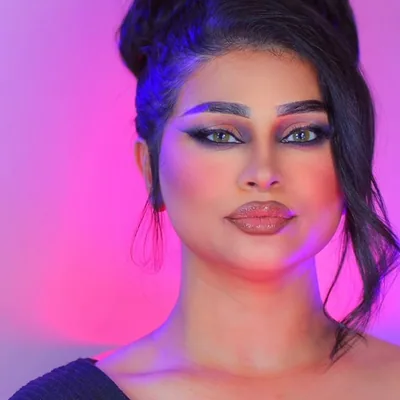
Yalda Saheem
@youngbeautyglow
303K
3.5% ER
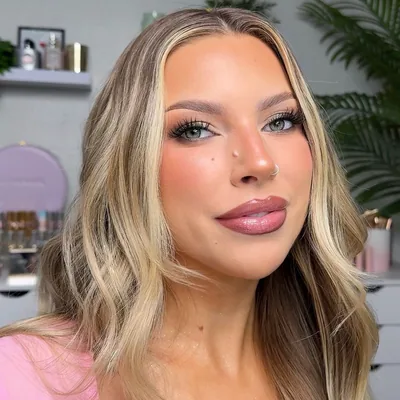
Lauren Lehnen
@lolo.lehnen
253.5K
0.9% ER
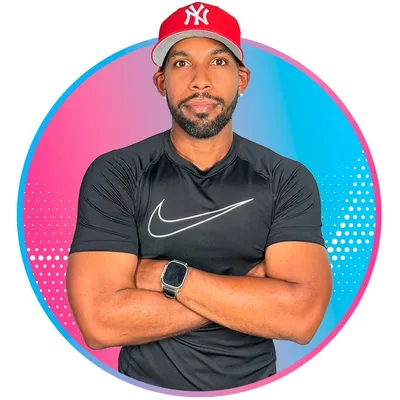
Pedro Pala
@miamitechnologyusa
220.3K
0.2% ER

Mary Angeline
@maryangline_
209.9K
1.4% ER
Izzy Santulli
@izzysantulli
209.1K
2.2% ER

luballatore
@soylacoloradatrucha
186.8K
1.1% ER

Vaishali Tomar
@glossirewithvaishali
169.1K
17.9% ER
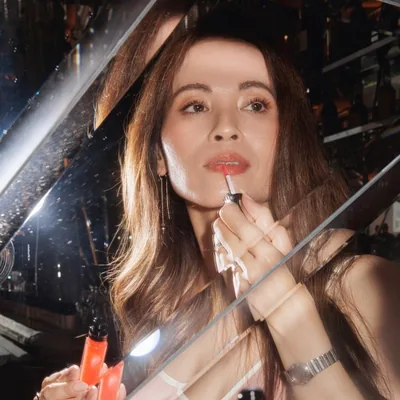
Sandy Cheung
@fromsandyxo
162.6K
1.0% ER
Veronica Fariñas | Beauty Content Creator
@veronicaa.farinas
134.3K
2.9% ER

Ing. Diana Victoria Ramos | Skincare & Reviews🔬
@latiapiel_
128.3K
1.0% ER
Shilpi Agarwal
@ugcshilpigarg
127.4K
1.8% ER
This is just the top of the list — millions of profiles across several social networks
Sign up free to browse the full segment, filter by size, engagement and location, and export shortlists.
Unlock the full list — free
instme Top Beauty Product Reviewers — ranked live
About the beauty product reviewers space
Swatches, wear tests, and claim-checking define beauty reviewers
Beauty product reviewers are distinct from broader beauty creators because the product is the subject, not just a prop in a look. Their content often centers on first impressions, multi-hour wear tests, shade swatches, ingredient notes, texture close-ups, application demos, and comparisons against similar products.
Common sub-genres include makeup reviewers, skincare testers, haircare reviewers, fragrance commentators, beauty-tech reviewers, and creators focused on budget, luxury, clean beauty, sensitive skin, mature skin, acne-prone skin, or inclusive shade ranges. Formats vary by platform: TikTok favors quick verdicts, side-by-side tests, and “is it worth it?” clips; Instagram supports Reels, carousel swatches, Stories polls, and saved highlight reviews; YouTube is useful for longer wear tests, empties, routines, and detailed product roundups.
Audiences come for decision support. They want to see how a foundation oxidizes, whether a mascara flakes, how a serum layers, or whether a product performs on a specific skin tone, hair type, budget, or concern. Trust is built through visible testing and clear trade-offs.
See how it stacks up next to top lifestyle product reviewers and top beauty creators before you shortlist.
Review partnerships work best when the testing feels observable
Effective collaborations give reviewers enough product context to test meaningfully without scripting away their credibility. Strong formats include launch reviews, comparison videos, routine integrations, shade-range demonstrations, “one brand full face” content, before-and-after skincare diaries, and follow-up posts after extended use. For beauty reviewers, performance often depends on specificity: close-up application, natural-light checks, texture shots, and honest notes about who the product is and is not for.
Price is typically driven by audience size, engagement quality, platform mix, content complexity, usage rights, exclusivity, turnaround time, and whether the brief requires prolonged testing. A skincare review that needs several weeks of use is a different production ask than a lipstick swatch Reel. Verified status can also affect perceived authority; in this segment, 30.7% of profiles are verified in the aggregate data available.
Brands should leave room for balanced commentary. Reviews that acknowledge limits often perform better than overly polished endorsements because beauty audiences are trained to look for evidence, not just enthusiasm.
For briefs, pricing benchmarks and outreach templates, read our guide to beauty influencer marketing.
Signals that separate useful beauty reviewers from large beauty accounts
Follower count is only one lens in this category. The segment’s aggregate average follower count is 238,526, with an average engagement rate of 4.00%, but the account-size mix is heavily weighted toward smaller creators: nano accounts make up 42% and micro accounts 44%, while mid, macro, and mega accounts represent smaller shares. That matters because niche skin types, hair textures, shade needs, and price sensitivities can make a smaller reviewer more commercially relevant than a larger general beauty account.
Key metrics include comment quality, save and share behavior, repeat product questions, watch time on detailed reviews, Story interactions, and whether audiences ask for purchase guidance. Look for consistency in testing methods: similar lighting, disclosed skin or hair context, clear application steps, and follow-ups after initial impressions.
Red flags include constant positive reviews with no drawbacks, undisclosed sponsorship patterns, heavy filters during complexion tests, poor shade visibility, sudden engagement spikes, repetitive comments, or reviews that never show product use. Current content trends favor transparent wear checks, dermatologist- or stylist-informed commentary where relevant, fragrance storytelling, dupe comparisons, de-influencing, and inclusive demonstrations across tones, textures, and concerns.
Skip the manual checks — InstMe's influencer search platform surfaces these signals automatically in every free report.
Market snapshot
How this segment breaks down by account size and platform — updated Sep 19, 2026.