
Top Food Newsletter Creators
Looking for food newsletter creators? You're in the right place. This page ranks the segment's standout accounts by reach, pulled from InstMe's index spanning millions of profiles across several social networks. Creators here average 193.2K followers and 8.18% engagement, and the list quietly refreshes itself as our pipeline rescans profiles.
Beyond the ranking, the market snapshot further down breaks the segment into account sizes and platforms, so you can tell at a glance whether this niche is dominated by big established names or fast-moving smaller creators. Every profile links to a full free report.
Millions
Profiles indexed across networks
193.2K
Avg. followers
8.18%
Avg. engagement
73%
Recently active
41.6%
Verified accounts
Top 21 creators
Ranked by followers

ALFIE STEINER
@alfiecooks
5.1M
0.4% ER

Jake Dryan
@plantfuture
2M
2.4% ER
smitten kitchen
@smittenkitchen
1.8M
0.1% ER
Carolina Gelen
@carolinagelen
1.5M
1.3% ER
Max La Manna | low-waste cooking
@maxlamanna
1.3M
13.7% ER
Christopher Smith
@meatlicious
1.3M
2.5% ER
John & Johnny Rondi
@johnnydrinks_
1.1M
0.3% ER

Jackie Hartlaub
@jackiehartlaub_
1M
1.2% ER
Ian Fujimoto
@iankyo
839.8K
1.4% ER
Maddy DeVita
@handmethefork
605.8K
0.7% ER
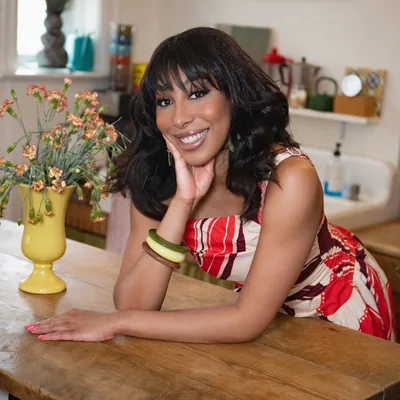
Charmaine Browne
@wellnesswithcharms
529.1K
9.4% ER

Vegan Scratch Kitchen
@vegscratchkitchen
525.8K
20.1% ER

Emily Jane Johnston
@emilyjanejohnston
524.5K
0.6% ER

Kenneth mincey
@chef.kennyeats
501.5K
7.0% ER
Byron Talbott
@byrontalbott
452.6K
1.9% ER
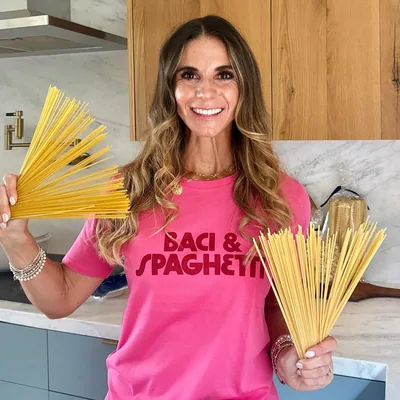
Elena Davis| Italian Recipes
@cucinabyelena
322.6K
3.9% ER

Nicola Lamb
@nicolaalamb
318.4K
2.3% ER

Private Chef | Parsley & Prosecco
@parsleyandprosecco
263.1K
1.1% ER
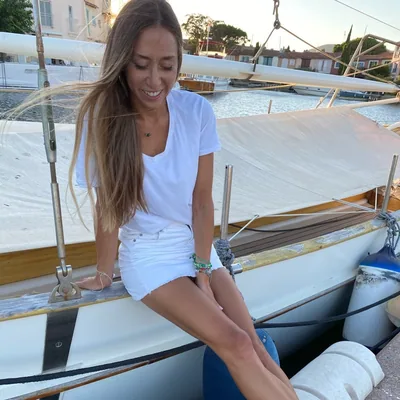
Nina Parker
@antoninaparker
211.9K
0.5% ER
Camcancoook_
@camcancoook_
191.5K
22.1% ER

Carminié
@carmine.gorrasi
155.7K
5.2% ER
This is just the top of the list — millions of profiles across several social networks
Sign up free to browse the full segment, filter by size, engagement and location, and export shortlists.
Unlock the full list — free
instme Top Food Newsletter Creators — ranked live
About the food newsletter creators space
Food newsletters as a social creator niche
Food newsletter creators usually sit between recipe developer, food editor, home cook, critic, and curator. Their social channels are often the discovery layer for a deeper newsletter relationship: a short cooking video leads to a full recipe, a restaurant reel points to a neighborhood guide, or a carousel previews a weekly meal plan.
Common sub-genres include weeknight cooking, baking, plant-based food, restaurant recommendations, regional cuisines, pantry cooking, meal prep, food culture essays, grocery finds, wine and drinks, and chef-led technique content. Some creators are highly instructional, with measured recipes and process shots. Others are taste-makers who filter what to buy, where to eat, and what to cook next.
Audiences come for usefulness and trust. They want recipes that work, recommendations that feel selective, and a point of view that is more personal than a standard publication. The best accounts make the newsletter feel like an extension of the creator’s kitchen, not just a link in the bio.
Benchmark it against top business newsletter creators and top food creators, ranked from the same live index.
Practical sponsorships that earn saves, clicks, and repeat attention
The work that performs is useful enough to save: a dinner plan, a tested recipe, a grocery shortcut, a holiday menu, or a clear answer to “what should I make tonight?” Start there, then choose the format that makes the brand feel like part of the solution rather than an interruption.
Effective collaborations often include sponsored recipes, ingredient integrations, pantry or fridge staples, cookware and appliance demonstrations, grocery-store hauls, restaurant or travel food guides, and newsletter placements paired with Instagram, TikTok, or YouTube amplification. For newsletter-first creators, the strongest campaigns usually connect the social post to a longer written asset: the full recipe, shopping list, tasting notes, or a more detailed review.
Food audiences are sensitive to forced endorsements. A product should have a believable role in the recipe or recommendation. A sauce, flour, pan, beverage, delivery service, or specialty ingredient works best when the creator can show why it changes the outcome.
Pricing is shaped by social audience size, engagement quality, verified status, production demands, recipe development time, photography or video complexity, newsletter inclusion, usage rights, exclusivity, seasonality, and whether the creator is expected to test, reshoot, or create multiple variations.
Turn this research into results with our step-by-step guide to food and beverage influencer marketing.
Signals that separate trusted food editors from casual posters
Food newsletter creators should be judged on trust as much as reach. The segment’s aggregate average engagement rate is 5.43%, with an average follower count of 261,175 and a verified share of 50.0%, but those figures should be read alongside content quality and audience fit. Micro accounts make up the largest share of the segment at 45%, and they can be especially valuable when their audience is niche, loyal, and responsive to recommendations.
Useful metrics include engagement rate, comment quality, repeat commenters, video completion signals where available, posting consistency, link behavior, and whether sponsored posts perform close to organic posts. Saves and shares are especially important for recipe and meal-planning content because they indicate future intent, not just passive interest.
Look closely at the creator’s authority. Do recipes appear tested? Are instructions clear? Does the creator explain substitutions, timing, and serving context? For restaurant or product recommendations, check whether the voice is specific or generic. A strong food newsletter creator can describe flavor, texture, use case, and audience fit without sounding scripted.
Red flags include erratic posting, sponsorships that conflict with the creator’s stated values, unclear disclosures, repetitive product praise, low-effort recipe adaptation, comment sections filled with unrelated responses, or engagement spikes tied mainly to giveaways. Current trends favor practical cooking, budget-aware recipes, high-protein meals, low-waste ideas, regional specificity, and behind-the-scenes testing. InstMe can help compare these signals across Instagram, YouTube, and TikTok profiles before shortlisting creators.
You don't have to check these by hand: InstMe's influencer discovery platform bakes them into every free report.
Market snapshot
How this segment breaks down by account size and platform — updated Sep 19, 2026.