
Top Influencers in South Africa
Looking for influencers in South Africa? You're in the right place. This page ranks the segment's standout accounts by reach, pulled from InstMe's index spanning millions of profiles across several social networks. Creators here average 155.9K followers and 5.80% engagement, and the list quietly refreshes itself as our pipeline rescans profiles.
Beyond the ranking, the market snapshot further down breaks the segment into account sizes and platforms, so you can tell at a glance whether this niche is dominated by big established names or fast-moving smaller creators. Every profile links to a full free report.
Millions
Profiles indexed across networks
155.9K
Avg. followers
5.80%
Avg. engagement
86%
Recently active
38.6%
Verified accounts
Top 21 creators
Ranked by followers
ZINHLE JIYANE
@djzinhle
5.6M
0.7% ER

Bonang Matheba
@bonang_m
5.2M
2.2% ER
Pearl Thusi
@pearlthusi
4.8M
0.4% ER

LAWDporry👮🏾💦
@djmaphorisa
3.8M
0.4% ER
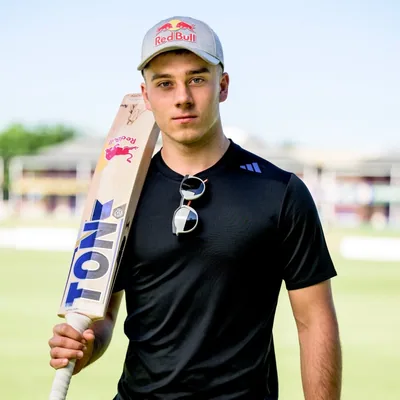
Dewald Brevis
@dewald_brevis_17
2.5M
12.7% ER
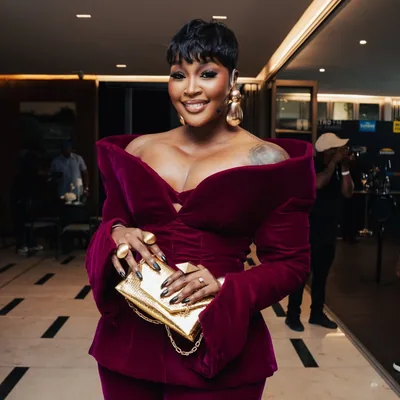
Lamiez Holworthy-Morule
@lamiez_holworthy
2.5M
0.1% ER
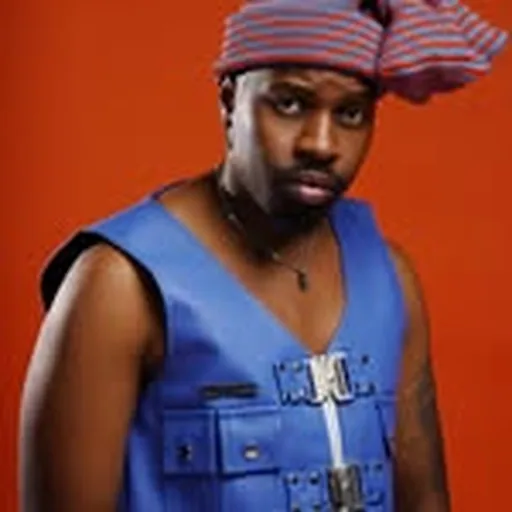
Abuti Wadi Operation 🚀✨
@mrjazziq
2.3M
0.8% ER
Mthembeni Ndevu
@emteethehustla
2.3M
1.1% ER
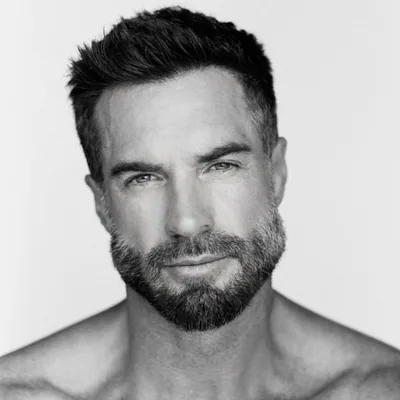
Marc Buckner
@marcbuckner
2M
0.8% ER

Demi-Leigh Tebow
@demitebow
1.8M
1.3% ER

SuperSport
@supersporttv
1.7M
0.1% ER
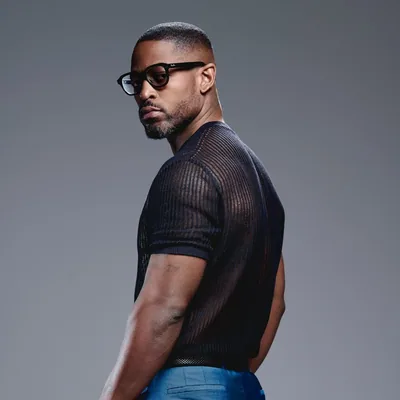
PRINCE KAYBEE
@princekaybee_sa
1.7M
0.4% ER

KwestaDaKAR
@kwestadakar
1.6M
1.2% ER

De-Ben Gogo
@dbngogo
1.6M
0.9% ER
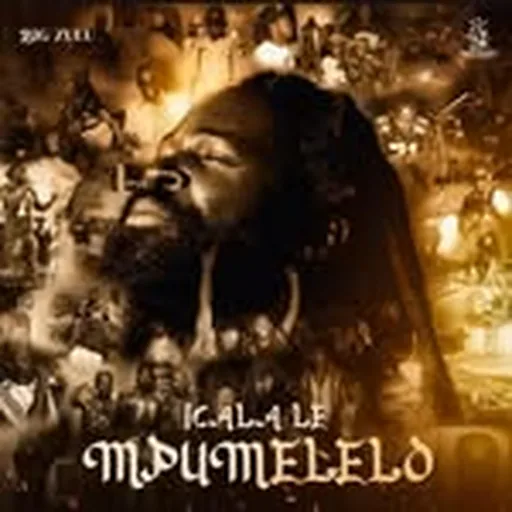
Big Zulu
@bigzulu_sa
1.6M
0.3% ER
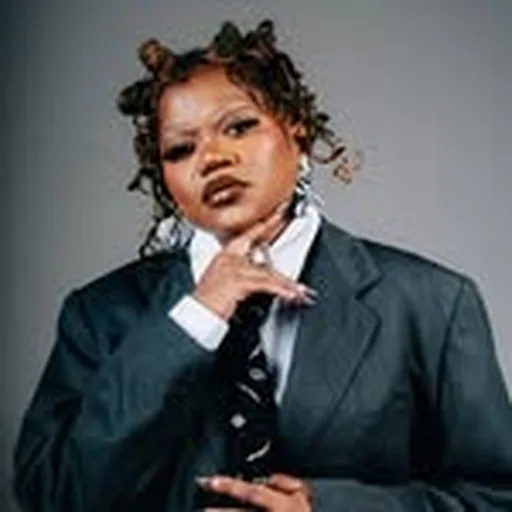
Busiswa Gqulu
@busiswaah
1.6M
0.3% ER
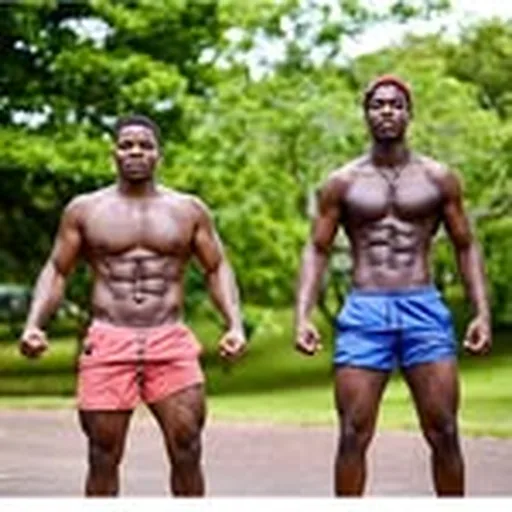
coach. tinotenda 24
@coach_tinotenda24
1.5M
0.2% ER
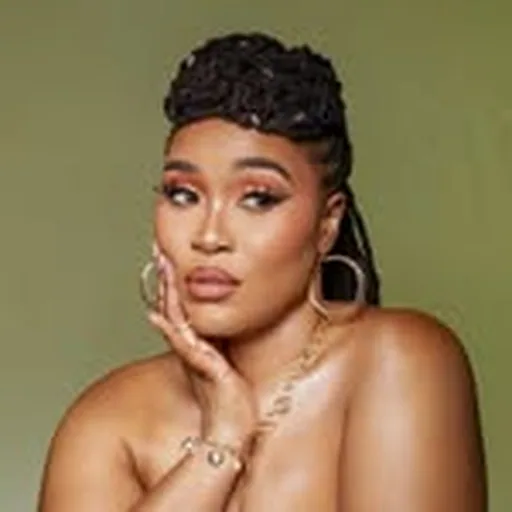
Lady Zamar
@lady_zamar
1.4M
0.1% ER

Sphokuhle N
@s.crumptious
1.3M
2.4% ER

SHIMZA
@shimza.dj
1.3M
0.2% ER
DJ Sbu
@djsbulive
1.3M
0.7% ER
This is just the top of the list — millions of profiles across several social networks
Sign up free to browse the full segment, filter by size, engagement and location, and export shortlists.
Unlock the full list — free
instme Top Influencers in South Africa — ranked live
About the influencers in south africa space
South African influencer content: lifestyle, language, and local relevance
South African influencers cover a broad mix of lifestyle-led and expertise-led content across Instagram, YouTube, and TikTok. Common sub-genres include fashion, beauty, food, fitness, parenting, comedy, travel, personal finance, music culture, campus life, township culture, and urban lifestyle in cities such as Johannesburg, Cape Town, Durban, and Pretoria. Many creators blend English with isiZulu, isiXhosa, Afrikaans, Sesotho, or local slang, which can make content feel more specific to a community than a generic regional campaign.
Typical archetypes include the polished lifestyle creator, the practical reviewer, the comedian or skit maker, the niche educator, the family or parenting voice, and the aspirational creator documenting fashion, restaurants, events, and travel. On YouTube, audiences often come for longer reviews, vlogs, tutorials, and commentary. On TikTok, discovery is more trend-led, with humor, quick opinions, transformations, and relatable everyday moments performing well. Instagram remains useful for visual storytelling, creator credibility, and product-led content.
Audiences usually come for proximity: creators who understand local retail options, transport realities, social references, food habits, campus culture, beauty needs, and price sensitivity. For marketers, that local context is often more valuable than a broad lifestyle label.
Compare this market with top influencers — same live rankings, same data pipeline.
What tends to land in South African influencer campaigns
Practical usefulness, cultural fit, and believable product integration tend to perform better than polished claims alone. A creator showing how a product fits into a school run, a payday shop, a weekend event, a gym routine, or a beauty prep sequence often gives the audience a clearer reason to care. Humor and everyday relatability can also make branded content feel less interruptive, especially on TikTok.
Work backwards from that outcome when choosing formats. Short-form videos are useful for demonstrations, reactions, before-and-after content, food trials, fashion styling, and quick service explanations. Instagram Reels and TikTok clips can carry the first touchpoint, while Stories support reminders, polls, links, and limited-time offers. YouTube works better when the product needs context: tech, travel, banking, education, skincare routines, home products, or any category where viewers want more detail before acting.
Fees are usually shaped by audience size, engagement quality, production effort, exclusivity, usage rights, posting frequency, category sensitivity, and whether the creator is expected to appear at an event or produce paid-media-ready assets. Verified status may also influence perceived credibility; in this segment, the verified share is 40.8%. The account-size mix is weighted toward micro creators at 55%, followed by nano creators at 21%, mid-sized creators at 16%, macro creators at 3%, and mega creators at 4%, so many campaigns can be built with a layered mix rather than a single high-reach profile.
Planning a campaign here? Our playbook on creator marketing for agencies covers strategy, pricing and measurement.
Signals that separate real influence from surface reach
Follower count is only one starting point. The segment’s average follower count is 174,918, with an average engagement rate of 6.14%, but individual creator fit should be judged against content quality, audience match, and consistency. A smaller creator with strong comments from the right city, language group, age bracket, or interest community may be more useful than a larger creator whose audience is too broad.
Look closely at engagement type. Meaningful comments, saves, shares, repeat viewers, and questions about the product or topic matter more than generic praise. For video, assess hook strength, watchability, posting rhythm, and whether branded posts perform close to non-branded posts. On Instagram, review the balance between Reels, Stories, carousel posts, and static imagery. On YouTube, compare average views across recent uploads rather than relying on subscriber count. On TikTok, check whether performance depends on one viral post or a repeatable content style.
Red flags include sudden audience spikes without a clear content reason, comment sections filled with repetitive or irrelevant remarks, heavy use of unrelated giveaways, mismatched audience geography, and creators whose sponsored posts regularly underperform their organic content. Current content trends worth monitoring include short local comedy formats, street interviews, beauty and fashion transitions, food discovery, event-led lifestyle content, personal finance explainers, and creators using multilingual delivery to speak to a specific South African audience.
All of these vetting signals come built into InstMe's influencer marketing platform — free reports on every profile above.
Market snapshot
How this segment breaks down by account size and platform — updated Sep 19, 2026.
Frequently asked questions
Broader segments
Charts for this market
Metric leaderboards for Instagram accounts in South Africa — ranked by the numbers, refreshed daily.