
Top Fitness Creators on Instagram
How does the market for fitness creators on Instagram actually look? In short: the segment averages 193.4K followers at 11.81% engagement, and 84% of it is nano or micro accounts — the tier most brands lean on for authentic, budget-friendly collaborations. The data comes from InstMe's index of millions of profiles across several social networks.
Below you'll find the current top creators, a snapshot of how the segment splits by account size and platform, and answers to the questions brands ask us most. Everything refreshes automatically as our pipeline rescans profiles.
Millions
Profiles indexed across networks
193.4K
Avg. followers
11.81%
Avg. engagement
74%
Recently active
39.5%
Verified accounts
Top 21 creators
Ranked by followers

Leo Messi
@leomessi
515.6M
1.0% ER

Neymar Jr
@neymarjr
241.9M
1.8% ER
Kylian Mbappé
@k.mbappe
135M
3.0% ER

Paul Labile Shakur Pogba
@paulpogba
63.6M
0.9% ER

Erling Braut Haaland
@erling
58.8M
10.4% ER
Sachin Tendulkar
@sachintendulkar
51.9M
1.8% ER

Gareth Bale
@garethbale11
51.2M
0.3% ER
Josimar Dias
@vozinha1
29.5M
3.8% ER

Isco Alarcon Suarez
@iscoalarcon
29.1M
0.1% ER

Suresh Raina
@sureshraina3
27.3M
1.9% ER
KL Rahul👑
@klrahul
24.2M
6.2% ER

Endrick 🐆
@endrick
23.8M
11.3% ER

Pedri González
@pedri
22.9M
4.5% ER
MR
@marcusrashford
22.4M
4.2% ER
Rafa Nadal
@rafaelnadal
21.3M
2.1% ER

Iker Casillas
@ikercasillas
20.4M
0.2% ER

Ꮪhubman Gill
@shubmangill
20.4M
11.2% ER
Juliana Salimeni
@jujusalimeni
20M
0.0% ER

Ilia Topuria
@iliatopuria
19.8M
7.3% ER
Max Verstappen
@maxverstappen1
18.8M
3.0% ER

Jay Shetty
@jayshetty
18.6M
1.4% ER
This is just the top of the list — millions of profiles across several social networks
Sign up free to browse the full segment, filter by size, engagement and location, and export shortlists.
Unlock the full list — free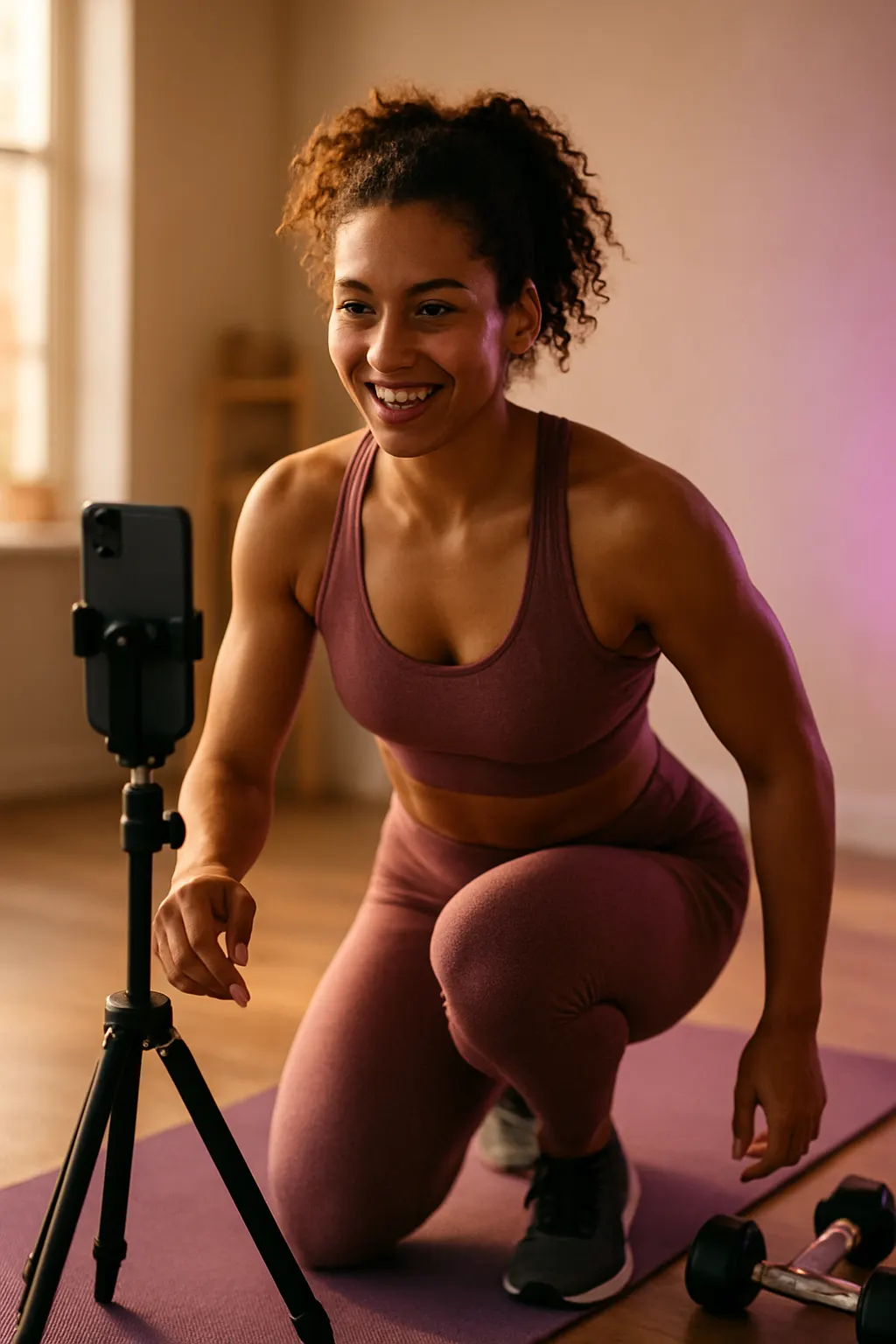
instme Top Fitness Creators on Instagram — ranked live
About the fitness creators on instagram space
Instagram Fitness Content Built Around Visible Progress
Fitness creators on Instagram are defined by repeatable proof: movement quality, physique changes, training consistency, and the ability to turn routines into visual posts. Unlike broader lifestyle creators, their authority often comes from demonstration rather than personality alone. Common sub-genres include strength training, bodybuilding, weight loss, mobility, running, Pilates, home workouts, calisthenics, nutrition support, athletic recovery, and gym wear styling.
The dominant formats are Reels, carousel workout guides, form breakdowns, “day of training” Stories, transformation posts, supplement or meal-prep explainers, and saved routines that followers can revisit. Audiences usually come for instruction, motivation, accountability, and product discovery tied to performance or body goals. Creator archetypes range from certified trainers and competitive athletes to relatable beginners documenting progress, gym-focused lifestyle creators, and niche specialists such as postpartum fitness or mobility coaches.
Compare this market with top music creators on Instagram and top fitness creators on Instagram in the USA — same live rankings, same data pipeline.
Partnerships That Fit Training Habits, Not Just Aesthetic Posts
Fitness campaigns work best when the product has a clear role inside a routine. Apparel can be shown through workout tests, footwear through lift or run context, supplements through pre- or post-training rituals, equipment through exercise demonstrations, and apps through progress tracking or coaching flows. On Instagram, short-form video is especially useful because it can show sweat, range of motion, fit, texture, or ease of use in seconds.
Performance tends to improve when the collaboration looks like a normal part of the creator’s training calendar rather than a detached endorsement. Useful formats include Reels with a complete routine, carousel “save this workout” posts, Story sequences with discount codes or Q&A, gym bag walkthroughs, challenge formats, and longer caption education around goals and constraints. Price is typically influenced by follower base, engagement quality, video production ability, certification or athletic credibility, usage rights, exclusivity, campaign complexity, and whether the creator can provide repeat exposure across Reels, Stories, and Highlights.
Planning a campaign here? Our playbook on influencer marketing for health & wellness brands covers strategy, pricing and measurement.
Signals That Separate Credible Fitness Influence from Empty Reach
Instagram fitness audiences are action-oriented, so engagement quality matters more than size alone. The segment’s aggregate average engagement rate is 8.42%, with average followers at 283,898 and a verified share of 41.5%, but the right benchmark depends on creator type. Nano and micro accounts make up a large share of the segment, and they can be valuable when comments show trust, questions, saved-workout behavior, and repeat participation from followers.
Key metrics include Reel views relative to followers, saves on workout carousels, Story interaction, comment substance, audience location, age and gender fit, follower growth consistency, and the ratio of educational posts to pure physique content. For product-led campaigns, look for past posts where followers ask about clothing, supplements, equipment, coaching, or routines, because those comments indicate buying intent.
Red flags are especially important in fitness: unsafe exercise advice, unrealistic body claims, undisclosed supplement promotion, extreme before-and-after framing, engagement spikes that do not match comment quality, and content that depends only on appearance without practical value. Current Instagram trends in this segment include short form checks, “no-equipment” routines, hybrid strength and mobility content, realistic meal prep, training during busy schedules, and more transparent discussion of recovery, hormones, injuries, and sustainable progress.
All of these vetting signals come built into InstMe's influencer marketing platform — free reports on every profile above.
Market snapshot
How this segment breaks down by account size — updated Sep 19, 2026.