
Top Fashion Creators in Japan
Looking for fashion creators in Japan? You're in the right place. This page ranks the segment's standout accounts by reach, pulled from InstMe's index spanning millions of profiles across several social networks. Creators here average 85.2K followers and 9.37% engagement, and the list quietly refreshes itself as our pipeline rescans profiles.
Beyond the ranking, the market snapshot further down breaks the segment into account sizes and platforms, so you can tell at a glance whether this niche is dominated by big established names or fast-moving smaller creators. Every profile links to a full free report.
Millions
Profiles indexed across networks
85.2K
Avg. followers
9.37%
Avg. engagement
74%
Recently active
24.8%
Verified accounts
Top 21 creators
Ranked by followers
Vogue Japan
@voguejapan
2.2M
0.3% ER
Tokyo Fashion
@tokyofashion
891.8K
2.0% ER

JDM
@old_school_jdm_
684.1K
0.1% ER
益若つばさ/Tsubasa Masuwaka🪽
@tsubasamasuwaka1013
678.2K
1.2% ER
Kawaii Coco | Creator in Tokyo 🇯🇵
@kawaiiicoco
560.6K
21.2% ER
瀬戸 あゆみ
@setoayumi
382.3K
0.3% ER
田中 シェン
@shen_tanaka
249.2K
0.0% ER
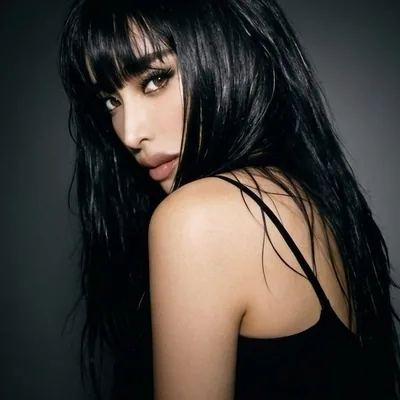
荒木さやか
@araki_sayaka
244.2K
0.0% ER
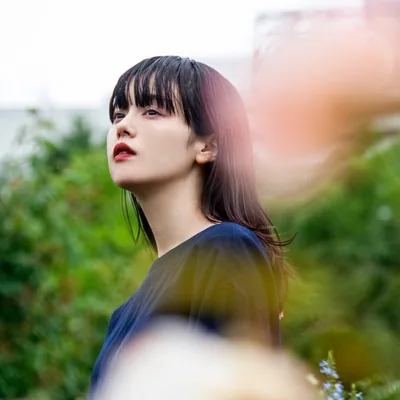
青柳文子/Fumiko Aoyagi
@aoyagifumiko
215.2K
0.3% ER

HONEY MI HONEY OFFICIAL
@honeymihoney_official
158.4K
0.0% ER
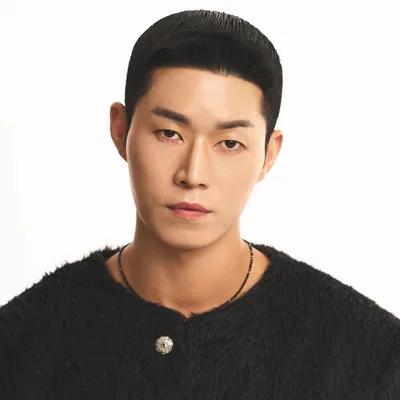
하태원 | Ha Taewon
@h.tw92
137.9K
2.1% ER
MIKUMIKU
@mkmkdx
127.2K
0.5% ER
𝐌𝐚𝐫𝐨
@maro.maro_gram
126.5K
1.2% ER

BILLY'S ENT
@billys_tokyo
116.3K
0.1% ER
RIRI リリ
@ninjacatgirl
116K
0.9% ER
Julianne
@awkwardtortoisee
114.1K
0.3% ER
Kristen StephensonPino
@kris10kesp
82.4K
37.2% ER
moca 🐭
@mocamaus
79.3K
3.8% ER

Shiori Takesue
@shioritakesue
72.4K
0.1% ER
SANCHAN
@saanchan
65K
7.1% ER
北沢蘭 / Ran Kitazawa
@ran_kitazawa
62.4K
4.0% ER
This is just the top of the list — millions of profiles across several social networks
Sign up free to browse the full segment, filter by size, engagement and location, and export shortlists.
Unlock the full list — free
instme Top Fashion Creators in Japan — ranked live
About the fashion creators in japan space
Japanese fashion creator territory: street looks, daily styling, and shopping guidance
Fashion creators in Japan range from Tokyo streetwear and Harajuku-inspired styling to minimalist wardrobes, officewear, vintage, sneakers, luxury accessories, outdoor-influenced looks, romantic “kawaii” aesthetics, and seasonal layering. Many creators are not only modeling outfits; they are explaining how pieces fit into everyday life in Japan, where weather, commuting, compact storage, and dress codes shape wardrobe decisions.
Common formats include Instagram outfit carousels, Reels with quick outfit changes, TikTok styling transitions, shop visits, fitting-room clips, and YouTube hauls or capsule wardrobe videos. Creator archetypes often include the polished city dresser, the thrift or vintage hunter, the sneaker-focused reviewer, the petite or tall fit specialist, the beauty-and-fashion lifestyle creator, and the boutique owner or stylist who uses social content as a portfolio.
Audiences usually come for practical inspiration: how to style one item several ways, what to wear to work, how a silhouette looks on a real body, what is trending in specific neighborhoods, and which pieces are worth trying in person. In this segment, visual taste matters, but clarity matters too. Creators who show fabric movement, sizing notes, color combinations, and full-body proportions often provide more decision support than creators who only post polished stills.
See how it stacks up next to top fashion creators and top music creators in Japan before you shortlist.
What tends to work for fashion campaigns in Japan
Saveable outfits, clear try-on context, and repeatable styling ideas usually do more for fashion campaigns than a single polished product shot. Viewers need to see how an item moves, how it layers, what shoes or bags complete it, and whether it fits the creator’s usual wardrobe. Start with that behavior, then choose the format.
For awareness, short-form outfit transitions on Instagram and TikTok can introduce a collection quickly, especially when the creator’s personal style is already consistent. For consideration, try-on hauls, “three ways to wear” posts, fitting-room diaries, and YouTube lookbooks give the product more time on screen. For retail support, store visits, event coverage, and limited-drop previews can connect online attention with a shopping moment.
Practical briefs should specify hero items, styling boundaries, required shots, and whether the brand wants a polished editorial mood or a daily-wear feel. Over-controlling the outfit can weaken performance, because fashion audiences follow creators for their styling judgment.
Price is usually influenced by the creator’s audience quality, platform mix, production expectations, number of looks, editing workload, usage rights, exclusivity, travel, event attendance, and whether the creator can produce bilingual or regionally accessible content. Verification and a strong history of brand-safe fashion work can also affect fees, but a smaller creator with high trust in a narrow style community may be more persuasive than a larger general lifestyle account.
For briefs, pricing benchmarks and outreach templates, read our guide to fashion influencer marketing.
Signals that separate useful fashion influence from surface reach
The segment’s aggregate profile shows an average follower count of 89,623, an average engagement rate of 7.92%, and a verified share of 23.3%. The account-size mix is weighted toward nano and micro creators, at 39% and 43% respectively, with mid-sized accounts at 13%, macro at 3%, and mega at 1%. That mix is important: fashion decisions are often personal, so engagement quality can matter more than audience size alone.
Look beyond likes. Saves, shares, outfit questions, sizing comments, “where is this from?” replies, and repeat comment activity are strong signals for fashion content. On YouTube, watch time and comment depth matter for hauls and lookbooks. On TikTok and Instagram, compare engagement across organic outfit posts and sponsored posts to see whether branded content blends naturally into the creator’s feed.
Audience fit is critical for Japan-focused campaigns. Review language, location cues, shopping references, seasons, and whether followers appear to engage with Japanese fashion context rather than only the creator’s appearance. Strong creators usually have a recognizable point of view: minimalist tailoring, streetwear, feminine styling, vintage, officewear, or another consistent lane.
Red flags include sudden follower spikes, generic comments, heavy giveaway dependence, low interaction on recent posts, excessive unrelated sponsorships, and feeds where the promoted item is barely visible or not styled in a useful way. Also watch for creators whose aesthetic changes drastically from post to post, as this can make campaign outcomes harder to predict.
Current content trends favor wardrobe repeatability, thrift and vintage sourcing, understated luxury cues, gender-neutral styling, office-to-weekend outfits, compact travel wardrobes, and short videos that show one item styled multiple ways.
Skip the manual checks — InstMe's influencer search platform surfaces these signals automatically in every free report.
Market snapshot
How this segment breaks down by account size and platform — updated Sep 19, 2026.
Frequently asked questions
Related niches
Narrow it down
Broader segments
Charts for this market
Metric leaderboards for Instagram accounts in Japan — ranked by the numbers, refreshed daily.