
Top Food Creators in Japan
How does the market for food creators in Japan actually look? In short: the segment averages 102.9K followers at 10.41% engagement, and 79% of it is nano or micro accounts — the tier most brands lean on for authentic, budget-friendly collaborations. The data comes from InstMe's index of millions of profiles across several social networks.
Below you'll find the current top creators, a snapshot of how the segment splits by account size and platform, and answers to the questions brands ask us most. Everything refreshes automatically as our pipeline rescans profiles.
Millions
Profiles indexed across networks
102.9K
Avg. followers
10.41%
Avg. engagement
67%
Recently active
34.2%
Verified accounts
Top 21 creators
Ranked by followers
Carolina Gelen
@carolinagelen
1.5M
1.3% ER

Stan Fukase
@worldofxtra
1.1M
1.2% ER
Lily Huynh
@biteswithlily
926.6K
16.1% ER

TAKAYOSHI WATANABE 照寿司
@teruzushi
665.6K
0.7% ER
YB EATTV Shorts
@ybeattv_shorts
566.2K
0.8% ER
Nobuhide Captain Hirano
@captainhirano
391.9K
0.1% ER
Aesthetic Anime Food 🍜✨
@station.09
305.9K
15.7% ER
Chef Hiro
@chef_hiro
268.1K
0.3% ER
ソロ【Japan Travel】
@soro_japantravel
216.5K
100.0% ER

きょん。
@kyon_tokiiro
209K
0.7% ER
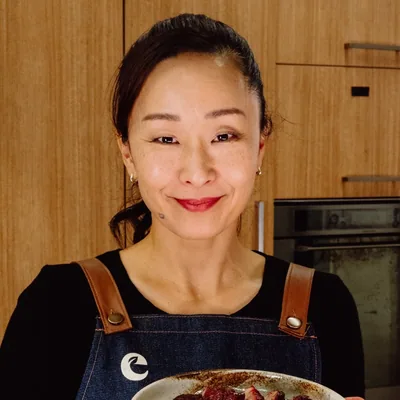
Sachie Nomura | TV Chef | Food Lover
@sachienomura
156.1K
17.5% ER
San
@sanleblon
129.6K
0.1% ER

Discover Japan 🎌 l Travel
@japan.undiscovered
127.8K
0.2% ER
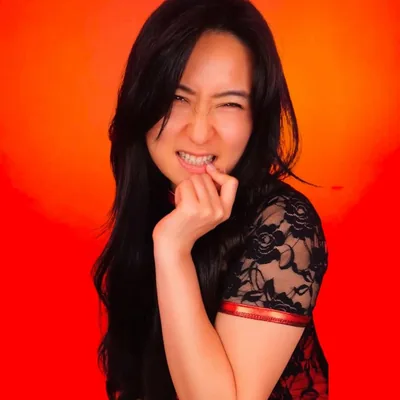
sera
@sera_eats_wild
124.6K
25.6% ER

The Penthouse Dubai
@thepenthousedubai
119.1K
0.0% ER

Chefs Edge
@chefsedgeau
112.2K
0.3% ER
KunihideNakajima
@nigirikuni
75.7K
0.3% ER
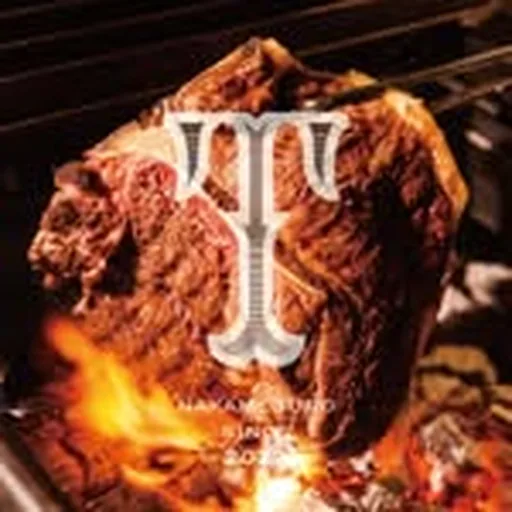
T
@t_nakameguro
61.9K
0.7% ER

MisonCHU
@misonchu_46
58.5K
0.1% ER
Lee Anne Wong
@leeannewong
51.2K
1.0% ER
Ese of Tokyo Japan
@food_n_spicy_japan
47.9K
19.6% ER
This is just the top of the list — millions of profiles across several social networks
Sign up free to browse the full segment, filter by size, engagement and location, and export shortlists.
Unlock the full list — free
instme Top Food Creators in Japan — ranked live
About the food creators in japan space
Japanese food content spans convenience-store finds, regional eating and home-table craft
Food creators in Japan are distinct because everyday eating culture is highly visual, seasonal and location-specific. The category ranges from ramen counters, sushi and izakaya visits to konbini product reviews, depachika sweets, bento making, wagashi, café巡り-style café hunting, regional specialties, home washoku, street snacks, and travel-led food discovery. A single creator may move between restaurant recommendations, limited-time supermarket items and simple home recipes, because audiences often follow both taste and utility.
Common archetypes include the ramen specialist who compares broths and queues, the home cook who explains prep in calm step-by-step clips, the café mapper saving addresses for weekend plans, the chef or nutrition-minded educator, and the travel eater connecting food to prefectures and train routes. Instagram is often used for polished grids, carousels and saveable guides; TikTok favors quick reactions, texture shots and product discovery; YouTube supports longer shop visits, recipe detail and food travel. Audiences come for trusted recommendations, seasonal cues, practical ordering details and a sense of what is worth the trip or purchase.
Benchmark it against top food creators on Instagram in Japan and top food creators, ranked from the same live index.
Partnerships work best when the food, place and season are central
In this niche, collaborations usually perform better when they feel like a useful eating decision rather than a broad lifestyle placement. Effective formats include first-taste videos for limited-time products, restaurant visit reels with clear access and ordering details, recipe integrations using a packaged ingredient, kitchen-tool demonstrations, bento or meal-prep episodes, and itinerary-style food guides for tourism or retail destinations. Close-up texture, price-menu context where allowed, queue or reservation notes, and clear Japanese captions can matter as much as the creator’s personality.
For brands, the strongest fit is often between product role and creator habit: a sauce with a home-cooking account, a regional snack with a travel-food channel, or a café launch with a creator whose audience saves neighborhood recommendations. What tends to perform is specificity: the seasonal flavor, the limited location, the exact way to eat it, or the comparison with a familiar staple. Pricing is driven by production effort, recipe testing, travel, shoot complexity, usage rights, exclusivity, posting platform, and whether the creator is providing stills, short video, long-form review or multi-post coverage.
Turn this research into results with our step-by-step guide to food and beverage influencer marketing.
Signals that separate useful Japanese food influence from general reach
Creator size should be read alongside intent metrics because food decisions are often local, saved and revisited. The aggregate profile for food creators in Japan shows average followers of 115,174, an average engagement rate of 3.55%, and a verified share of 30.2%. The account-size mix is weighted toward smaller creators, with nano at 52% and micro at 27%, followed by mid at 13%, macro at 5% and mega at 3%. That structure makes engagement quality especially important: comments asking for station exits, opening hours, ingredients or substitutions can be more valuable than broad applause.
Useful checks include save rate, repeat commenters, watch completion on recipe or tasting videos, audience geography, language fit, platform-specific consistency across Instagram, YouTube and TikTok, and whether past sponsored posts match the creator’s normal editorial style. Red flags include generic reposted food footage, inflated comments with no food-specific intent, excessive filters that distort the product, unclear disclosure, outdated restaurant information, unsafe health claims, or a feed that jumps between unrelated paid items. Current trends to watch include convenience-store seasonal drops, quiet cooking and ASMR prep, regional food tourism, solo dining, budget lunch guides, reservation-worthy cafés, and content that explains Japanese food culture without making the recommendation less practical.
You don't have to check these by hand: InstMe's influencer discovery platform bakes them into every free report.
Market snapshot
How this segment breaks down by account size and platform — updated Sep 19, 2026.
Frequently asked questions
Related niches
Narrow it down
Broader segments
Charts for this market
Metric leaderboards for Instagram accounts in Japan — ranked by the numbers, refreshed daily.