
Top Coaches in the USA
How does the market for coaches in the USA actually look? In short: the segment averages 125.2K followers at 6.55% engagement, and 83% of it is nano or micro accounts — the tier most brands lean on for authentic, budget-friendly collaborations. The data comes from InstMe's index of millions of profiles across several social networks.
Below you'll find the current top creators, a snapshot of how the segment splits by account size and platform, and answers to the questions brands ask us most. Everything refreshes automatically as our pipeline rescans profiles.
Millions
Profiles indexed across networks
125.2K
Avg. followers
6.55%
Avg. engagement
59%
Recently active
48.0%
Verified accounts
Top 21 creators
Ranked by followers

Jay Shetty
@jayshetty
18.6M
1.4% ER
William Hanson
@williamhanson
4M
0.3% ER
Jimmy Knowles
@jimmy_on_relationships
3.9M
0.7% ER
Shoaib Hussain - Life Mentor & Personal Branding Coach
@thesunnahguy
3.6M
0.1% ER
COURTENEY FISHER FITNESS
@justcoco
2.8M
0.1% ER
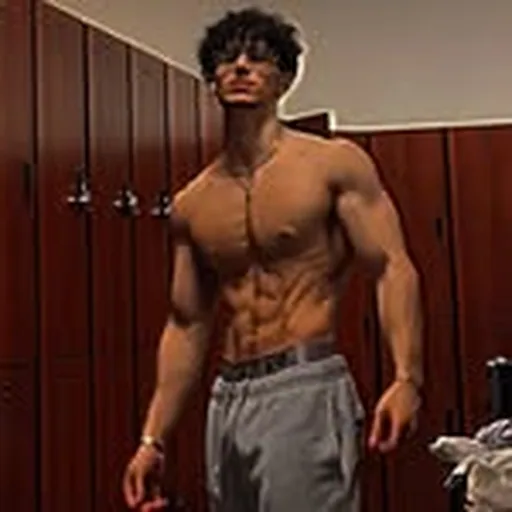
Hussein Farhat | Online Fitness Coach
@hussein.fht
2.7M
3.7% ER
DENZEL TRAINER
@denzel_trainer
2.7M
0.2% ER

Steve | Money Coach | Former Teacher
@calltoleap
2.6M
0.9% ER
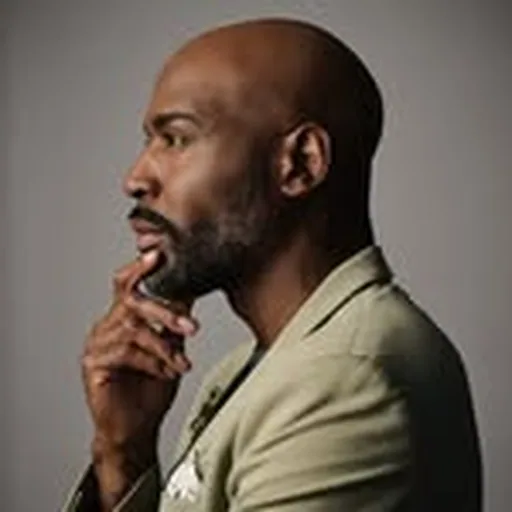
Karamo
@karamo
2.5M
0.4% ER
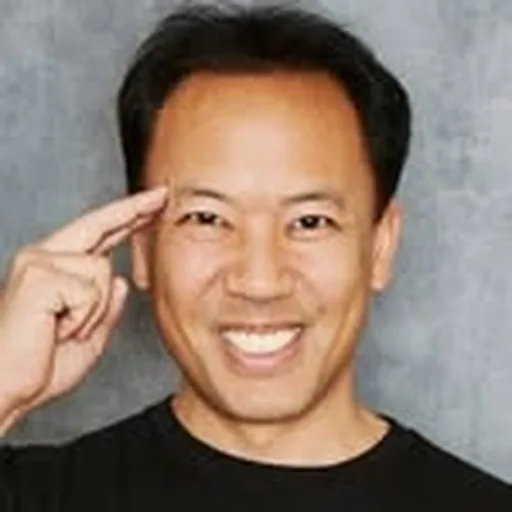
Jim Kwik | Your Brain Coach
@jimkwik
2.5M
0.5% ER
Dan Martell
@danmartell
2.4M
0.4% ER
Sanjay Kathuria
@financebysanjay
2.1M
0.4% ER
Diksha Arora
@edu_dikshaarora
2M
0.2% ER
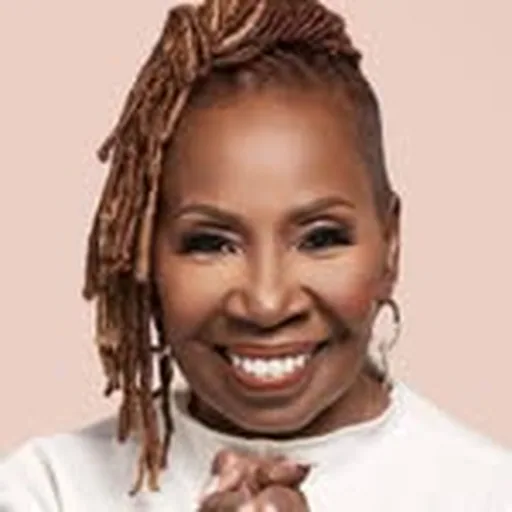
Iyanla Vanzant
@iyanlavanzant
2M
0.7% ER
Thomas DeLauer
@thomasdelauer
1.9M
0.7% ER

Rob Dial
@robdialjr
1.7M
0.2% ER
Clean Eating Guide | Inspiring Millions to Eat Clean
@cleaneatguide
1.7M
0.0% ER
Ann Najjar
@mittqueen
1.7M
0.5% ER

Rafael Brandão
@rafabrandaopro
1.7M
0.8% ER
Jimmy on Relationships
Jimmy on Relationships
1.4M
0.1% ER
Kingsley Okonkwo
@kingsleypst
1.3M
0.6% ER
This is just the top of the list — millions of profiles across several social networks
Sign up free to browse the full segment, filter by size, engagement and location, and export shortlists.
Unlock the full list — free
instme Top Coaches in the USA — ranked live
About the coaches in the usa space
U.S. coaching creators are built around outcomes, not just interests
Coaches in the U.S. differ from many creator categories because their content usually points toward a promised improvement: getting stronger, communicating better, building a business, changing careers, parenting with more confidence, or managing routines more effectively. The segment spans fitness and sports coaches, life and mindset coaches, business and sales coaches, career coaches, wellness coaches, relationship coaches, and niche specialists serving audiences such as founders, students, parents, executives, or athletes.
Their formats are often instructional. On Instagram, carousels, Reels, Lives, and client-story posts are common. TikTok favors quick frameworks, mistakes to avoid, direct-to-camera advice, and short demonstrations. YouTube gives coaches room for longer lessons, case breakdowns, Q&A sessions, and webinar-style education.
Audiences come for clarity and momentum. They are not only watching for entertainment; they are testing whether the creator understands their situation and can offer a practical next step. That makes credibility, tone, and specificity especially important. A coach who speaks clearly to “new managers,” “women returning to fitness,” or “first-time founders” may be more commercially useful than a broader motivational account with less audience definition.
Compare this market with top creators in the USA — same live rankings, same data pipeline.
Partnerships work best when the coach can teach the product’s role
The strongest brand integrations in this segment usually let the coach explain why a product fits into a process. A productivity tool can appear inside a planning routine. A wearable can support a training or sleep discussion. A meal, supplement, education, finance, or software brand can be framed around a concrete habit, workflow, or decision point. The collaboration performs better when it feels like a lesson with a brand component, not a pasted-on endorsement.
Useful formats include challenge series, “before and after the method” explanations, guided routines, live workshops, downloadable checklists, creator-led webinars, and short-form myth-busting videos. For coaches with strong communities, comment prompts, office-hour style Lives, and follow-up Stories can add value because the audience often has questions before taking action.
Price is usually shaped by more than audience size. Factors include the coach’s niche authority, whether they have a paying client base outside social media, the depth of deliverables, usage rights, exclusivity, production quality, and the sensitivity of the category. A certified or highly credentialed coach may command more for regulated or trust-heavy topics, while a coach with a smaller but highly responsive niche audience may be valuable for lead quality. Claims review also matters: brands should avoid partnerships that require unsupported health, income, or transformation promises.
Planning a campaign here? Our playbook on creator marketing for agencies covers strategy, pricing and measurement.
Signals that matter for U.S. coaches: trust, specificity, and response quality
Follower count is a starting point, but coaching audiences should be judged by intent and trust signals. In the aggregate data for this segment, average followers are 142,652 and average engagement rate is 5.98%, with a verified share of 52.1%. The account-size mix leans toward nano and micro creators, which is important: many coaches build influence through focused expertise and repeat interaction rather than mass reach alone.
Look closely at comment quality. Useful signals include people asking detailed questions, reporting progress, saving frameworks, tagging friends with similar goals, or referencing prior advice. Engagement that comes mainly from generic praise may be less meaningful than a smaller thread where followers describe actual problems. On YouTube, watch time indicators, repeat educational series, and strong comments under longer videos can reveal deeper trust. On TikTok and Instagram, saves, shares, and multi-post series performance are especially relevant for advice-based content.
Red flags include exaggerated guarantees, vague credentials, recycled motivational posts with little original instruction, sudden shifts between unrelated niches, engagement spikes that do not match comment depth, and content that leans on shame or fear. For health, wellness, finance, or career outcomes, brands should review whether the creator distinguishes personal experience from professional advice.
Current trends favor practical systems over broad inspiration: “three-step” frameworks, habit audits, live coaching clips, day-in-the-life routines tied to a method, and short case-study breakdowns. The best candidates make their coaching approach visible before any sponsorship appears.
All of these vetting signals come built into InstMe's influencer marketing platform — free reports on every profile above.
Market snapshot
How this segment breaks down by account size and platform — updated Sep 19, 2026.
Frequently asked questions
Broader segments
Charts for this market
Metric leaderboards for Instagram accounts in the USA — ranked by the numbers, refreshed daily.