
Top Beauty Creators in the UK
InstMe keeps a live ranking of beauty creators in the UK across platforms, drawn from an index of millions of profiles across several social networks. The typical account here averages 72.9K followers with a 5.83% engagement rate — real numbers from our monitoring pipeline, not a directory that quietly goes stale.
One thing worth knowing before you scroll: 89% of the creators in this segment are nano or micro accounts (under 100K followers), the tier where engagement runs warmest and collaborations cost the least. Shortlist a few names below, then open any profile for its full free report: growth trend, audience quality, benchmarks and estimated media value.
Millions
Profiles indexed across networks
72.9K
Avg. followers
5.83%
Avg. engagement
70%
Recently active
31.8%
Verified accounts
Top 21 creators
Ranked by followers
lorna
@lorna
1.8M
5.4% ER
Harper's Bazaar UK
@bazaaruk
1.7M
0.2% ER

T R I N N Y
@trinnywoodall
1.6M
0.2% ER
ILIA
@iliabeauty
1.2M
0.0% ER

Boots UK
@bootsuk
1.2M
0.1% ER
ghd hair
@ghdhair
1.1M
0.1% ER
Kosas
@kosas
879K
0.1% ER
Caroline Hirons
@carolinehirons
790.4K
0.5% ER

Space NK
@spacenk
679.7K
0.8% ER
Minnie Faye Rayment
@minniefr
649.1K
1.6% ER
Chloé Lloyd
@chloelloyd
528.4K
0.9% ER
ALEXANDRA CLAUDIA MILEK
@alexandraclaudia
492.3K
0.7% ER
Lydia
@whatlydialikes
435K
0.1% ER

Peaches&Cream
@peachesmakeup
416.1K
0.5% ER
Dr Ewoma
@drewomaukeleghe
365.3K
3.2% ER
REN Clean Skincare
@renskincare
314.7K
1.3% ER

Garnier UK & Ireland
@garnieruk
237.5K
0.6% ER
Fikkypearl / UK Fashion Influencer
@fikkypearl
236.9K
2.4% ER
Marie Claire UK
@marieclaireuk
228.9K
0.1% ER

official | numbuzin
@numbuzin_global
203.7K
0.7% ER
Jasmine
@thejaycee_
202.2K
7.9% ER
This is just the top of the list — millions of profiles across several social networks
Sign up free to browse the full segment, filter by size, engagement and location, and export shortlists.
Unlock the full list — free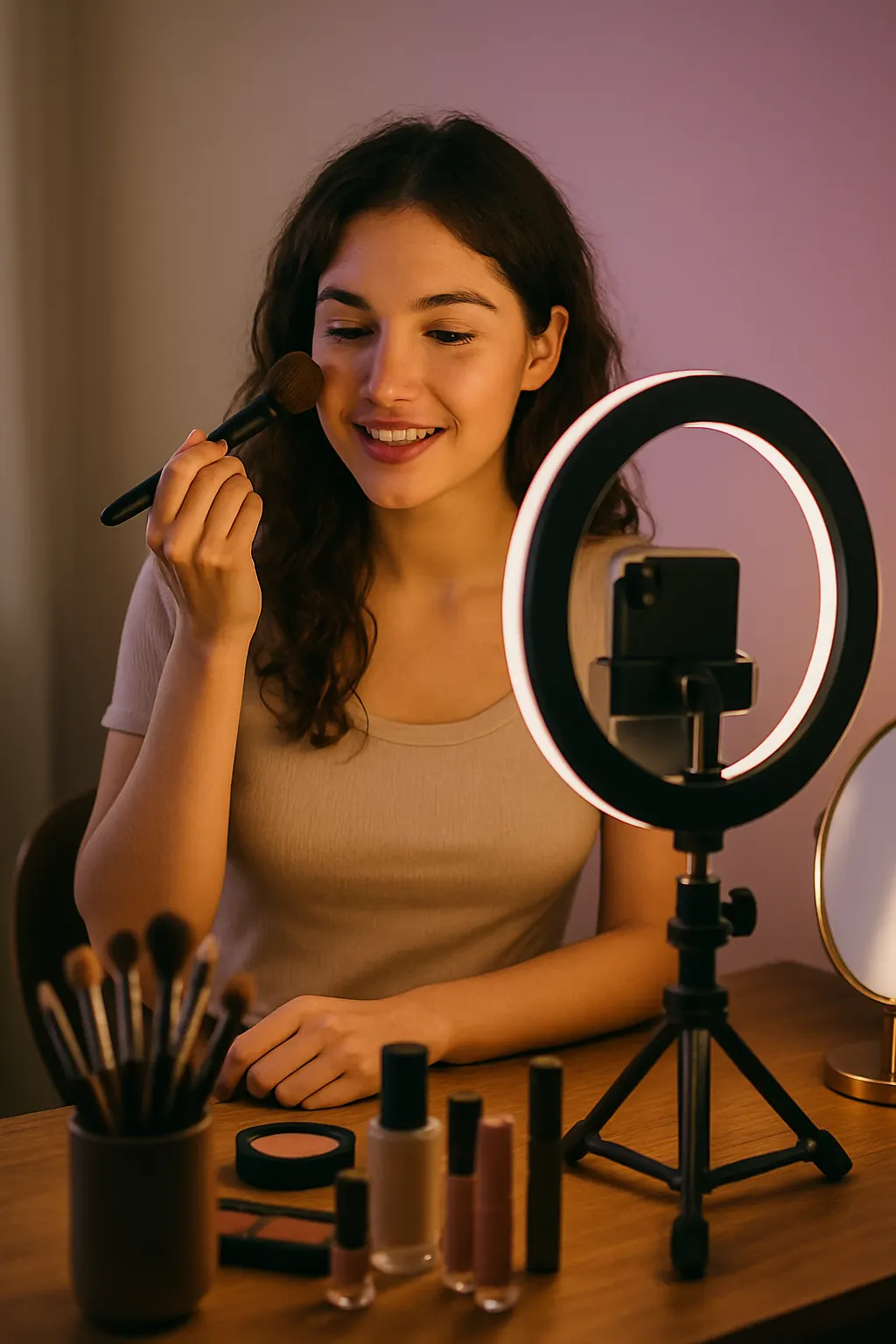
instme Top Beauty Creators in the UK — ranked live
About the beauty creators in the uk space
From GRWM clips to shade tests in British daylight
A creator films a morning routine in a small bathroom: SPF under makeup, a quick base test before the commute, then a check-in outside after rain and wind. That kind of practical, real-life beauty content is central to the UK beauty segment, where audiences often look for products that work across changing weather, office days, nights out and everyday budgets.
The segment spans makeup, skincare, haircare, fragrance, nails, grooming and aesthetic treatments. Common formats include GRWM videos, foundation wear tests, “empties” reviews, Boots and Superdrug hauls, salon transformations, tutorial carousels, before-and-after reels, TikTok trend recreations and longer YouTube routines. Many creators specialise further: textured hair, sensitive skin, acne journeys, mature skin, bridal makeup, cruelty-free beauty, luxury fragrance or affordable drugstore finds.
Audience intent is usually specific. Viewers want shade comparisons, ingredient explanations, honest wear-time notes, application techniques and reassurance before buying. Creator archetypes range from trained makeup artists and estheticians to everyday reviewers, salon professionals, dermatology-minded educators and personality-led beauty commentators.
Compare this market with top music creators in the UK and top beauty creators on Instagram in the UK — same live rankings, same data pipeline.
Campaign formats that fit UK beauty behaviour
Beauty partnerships work best when the product is shown in use, not just displayed. Short-form TikTok and Instagram Reels suit first impressions, routine integration and trend-led application. Instagram Stories are useful for shade polls, limited-time launches, link stickers and Q&A. YouTube is stronger for detailed reviews, full routines, product comparisons and treatment journeys where viewers need context before purchase.
High-performing collaborations often give creators room to show texture, finish and limitations. A foundation campaign, for example, benefits from close-up application, natural-light footage and wear updates. Skincare content tends to need longer education: how the product fits with existing actives, who it is not for, and how long results may take. Haircare content performs well when creators show the starting condition, wash-day steps and final result without over-editing.
Price drivers include audience fit, production quality, platform mix, usage rights, exclusivity, deliverable complexity, turnaround time and whether professional skills are involved. A creator who can produce clean macro shots, credible voiceover and consistent before-and-after documentation may command more than a larger account with generic product placement. Verified status can also affect perceived credibility; in this segment, the verified share is 34.6%, but verification should be read alongside content quality and audience response.
Planning a campaign here? Our playbook on influencer marketing for beauty brands covers strategy, pricing and measurement.
Signals that separate useful influence from surface reach
Beauty decisions are personal, so engagement quality matters as much as audience size. The segment’s average follower count is 102,792 and the average engagement rate is 4.56%, but individual fit depends on the creator’s niche, consistency and comment depth. The account-size mix is weighted toward smaller creators, with nano at 40% and micro at 45%, while mid accounts account for 9%, macro 3% and mega 3%. That structure can be useful for brands that need trusted explanation rather than broad awareness alone.
Useful metrics include saves on tutorials, shares on product discoveries, comment sentiment, story completion, click behaviour where available and repeat engagement across beauty posts rather than one viral clip. For shade-based makeup, check whether the creator’s audience asks practical purchase questions. For skincare, look for comments about routines, ingredients and skin concerns. For salons or haircare, before-and-after credibility and location relevance can be decisive.
Red flags include heavy filters on complexion content, unclear ad disclosures, repeated product switching without explanation, copied trend formats with little original assessment and comment sections filled with generic praise. Watch for sudden engagement spikes that do not match normal content patterns.
Current content trends favour unfiltered skin texture, “de-influencing,” affordable-versus-luxury comparisons, fragrance layering, scalp care, heatless styling, minimal base makeup and creator-led education around ingredients. The strongest UK beauty creators make products understandable in ordinary settings: bathroom mirrors, public transport lighting, office touch-ups and weekend plans.
All of these vetting signals come built into InstMe's influencer marketing platform — free reports on every profile above.
Market snapshot
How this segment breaks down by account size and platform — updated Sep 19, 2026.
Frequently asked questions
Related niches
Narrow it down
Broader segments
Charts for this market
Metric leaderboards for Instagram accounts in the UK — ranked by the numbers, refreshed daily.