
Top Parenting & Family YouTubers
InstMe keeps a live ranking of parenting & family youtubers across platforms, drawn from an index of millions of profiles across several social networks. The typical account here averages 286.8K followers with a 21.26% engagement rate — real numbers from our monitoring pipeline, not a directory that quietly goes stale.
One thing worth knowing before you scroll: 75% of the creators in this segment are nano or micro accounts (under 100K followers), the tier where engagement runs warmest and collaborations cost the least. Shortlist a few names below, then open any profile for its full free report: growth trend, audience quality, benchmarks and estimated media value.
Millions
Profiles indexed across networks
286.8K
Avg. followers
21.26%
Avg. engagement
66%
Recently active
33.0%
Verified accounts
Top 21 creators
Ranked by followers

Loisa Andalio Alonte
@iamandalioloisa
10.2M
4.9% ER

🌻Ruthbell
@ruthbellpan
9.9M
0.0% ER

Bam's dad
@bowwow_bam
8.3M
47.5% ER

Sandrah...!
@mama_dangote
6.7M
0.3% ER

travispastrana
@travispastrana
5.2M
0.3% ER
Shawn Johnson East
@shawnjohnson
4.4M
1.7% ER

Jodi Sta.Maria
@jodistamaria
3.2M
0.5% ER

TVF | The Viral Fever
@theviralfever
3M
0.1% ER
Like Nastya
@likenastya
2.1M
1.4% ER

Kiano Tiger Wong
@kianotigerwong
2.1M
2.8% ER

Trisha Paytas Hacmon
@trishapaytas
2.1M
14.4% ER

Tyler Nathan Toney
@tylerntoney
1.9M
3.8% ER

Cleetus McFarland
@garrett_1320video
1.7M
2.2% ER
Yanissa 💖
@yanissaxoxo
1.5M
9.2% ER

Amyah Bennett
@amyah_gymnast
1.5M
1.5% ER
Casey Holmes
@caseyhl91
1.2M
0.6% ER

Katie Lee Biegel
@katieleebiegel
1.1M
1.0% ER

Kids Diana Show
@kids.diana.show
1M
0.0% ER
Priyanka Chaudhary Raina
@priyankacraina
966.4K
9.9% ER
Phill Faust
@beard.dad.cardz
900.8K
2.0% ER

Kristopher London
@lsk
775.5K
5.3% ER
This is just the top of the list — millions of profiles across several social networks
Sign up free to browse the full segment, filter by size, engagement and location, and export shortlists.
Unlock the full list — free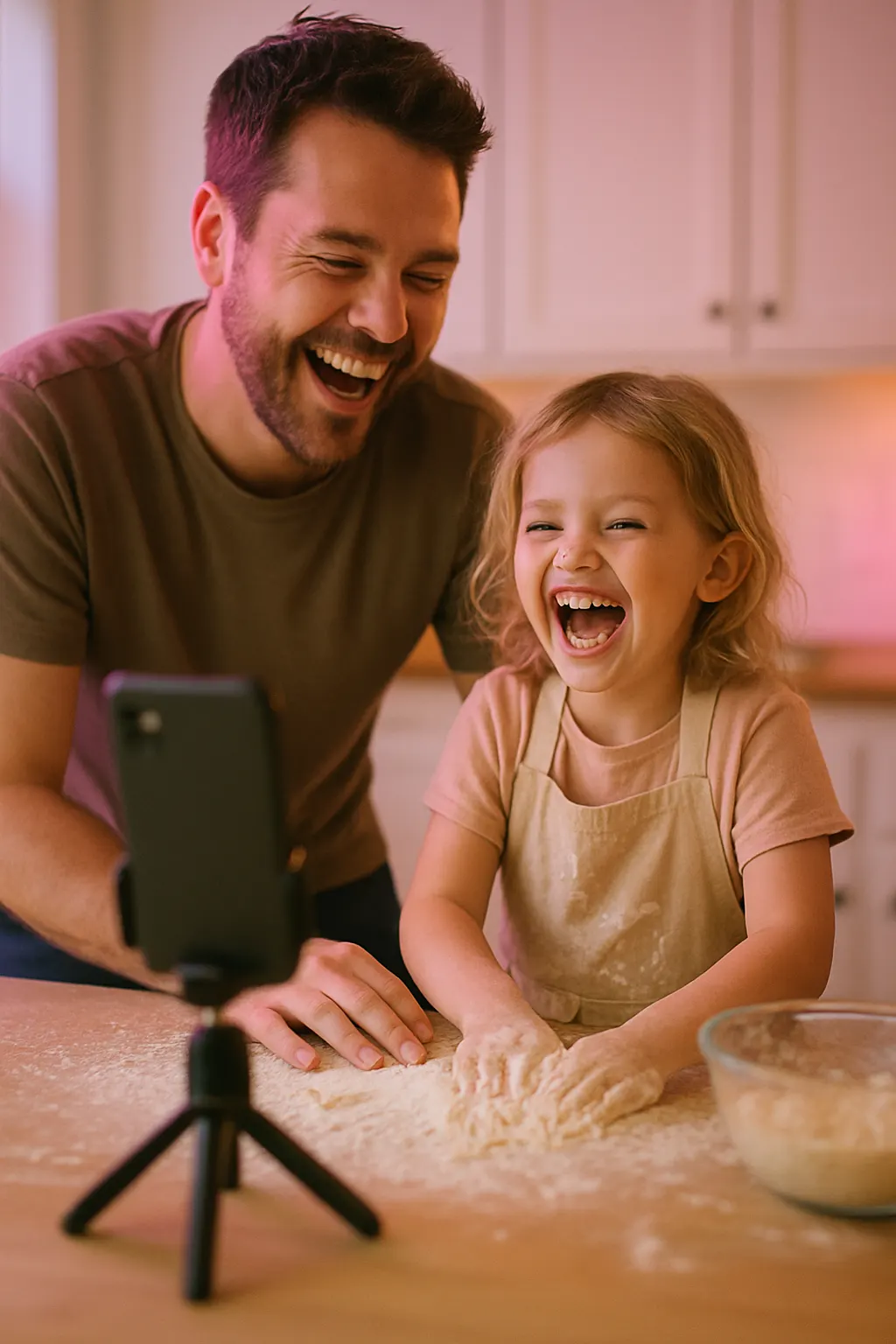
instme Top Parenting & Family YouTubers — ranked live
About the parenting & family youtubers space
School runs, newborn routines, and family problem-solving
A parent balances a camera on the kitchen counter while packing lunches, answering a toddler’s question, and explaining how they keep mornings from falling apart. That everyday setup is typical of parenting YouTube: practical, personal, and often built around routines viewers can compare with their own.
This segment includes family vloggers, new-parent channels, pregnancy and postpartum educators, homeschool and learning-at-home creators, special-needs parenting voices, product-review channels, and parents focused on food, sleep, travel, budgeting, or gentle discipline. Formats range from day-in-the-life videos and weekly vlogs to nursery setup tours, birth stories, “what I wish I knew” explainers, meal prep, toy tests, and long-form Q&A.
Audiences usually come for reassurance as much as information. They want to see how another household handles bedtime, screen-time boundaries, toddler meals, sibling conflict, or returning to work after a baby. The strongest creators do not present parenting as effortless. They show context: what worked, what failed, what they would change, and where advice ends and personal experience begins.
Benchmark it against top music youtubers and top youtubers, ranked from the same live index.
Sponsorships that fit inside real family routines
Parenting integrations work best when the product solves a visible household problem. A baby monitor can appear during a night routine. A snack brand fits naturally into lunchboxes or after-school routines. A stroller, car seat accessory, learning app, children’s clothing line, cleaning product, or family travel service can be shown in use rather than held up as a generic ad.
YouTube is useful for this niche because creators can demonstrate products over time. A dedicated review may suit higher-consideration items, while a routine-based integration often feels more credible for everyday goods. Follow-up mentions, pinned comments, links in descriptions, and comparison videos can help viewers who need more detail before acting. Shorter clips repurposed for TikTok or Instagram can extend reach, but the main trust often comes from the longer YouTube context.
Performance tends to improve when the creator can explain why the product is relevant to their child’s age, family structure, home setup, or parenting philosophy. Price is influenced by audience size, engagement quality, category sensitivity, exclusivity, production demands, usage rights, and whether children appear on camera. Verified status can also matter; in this segment, 32.4% of profiles are verified, but verification should be treated as a trust signal to investigate, not a guarantee of performance.
Turn this research into results with our step-by-step guide to running creator campaigns as a brand.
Trust, audience fit, and the details beneath the view count
Parenting audiences can be highly engaged because the content connects to immediate life stages. Aggregate data for this segment shows an average audience size of 363,145 followers and an average engagement rate of 13.17%. The account-size mix is broad: nano creators account for 39% of the segment, micro creators 32%, mid 15%, macro 6%, and mega 8%. That distribution matters because smaller channels may have narrower but more attentive communities, while larger channels can offer broader awareness.
Engagement should be read carefully. Comments with specific questions, product follow-ups, and viewers sharing their own parenting experiences are stronger signals than generic praise. Watch for whether subscribers return across videos, whether family milestones change the channel’s audience, and whether a creator’s recommendations are consistent with their usual content. A sleep-training creator, a Montessori-focused parent, and a family travel vlogger may all sit in parenting, but their audiences respond to different offers.
Red flags include excessive child exposure without clear boundaries, undisclosed sponsorship patterns, medical or developmental claims presented without appropriate caution, sudden shifts into unrelated promotions, or comment sections that show distrust from regular viewers. Current content trends include more privacy-conscious filming, less polished “realistic routine” videos, postpartum mental health conversations, budget-aware family content, and deeper reviews of products used over several weeks instead of first-impression unboxings.
You don't have to check these by hand: InstMe's influencer discovery platform bakes them into every free report.
Market snapshot
How this segment breaks down by account size and platform — updated Sep 19, 2026.