
Top Beauty YouTubers
This is InstMe's live ranking of beauty youtubers: creators measured on audience size, engagement and posting activity, surfaced from an index of millions of profiles across several social networks. Averages for the segment right now: 215.4K followers and 11.27% engagement.
Brands usually start at the top of the list, but the best opportunities often hide a little deeper — smaller creators here out-engage the big accounts more often than not. Open any profile for its full free report, or create a free account to search, filter and export the entire segment.
Millions
Profiles indexed across networks
215.4K
Avg. followers
11.27%
Avg. engagement
73%
Recently active
36.5%
Verified accounts
Top 21 creators
Ranked by followers

Виктория Боня
@victoriabonya
13.7M
0.5% ER
Rare Beauty by Selena Gomez
@rarebeauty
8.6M
0.9% ER
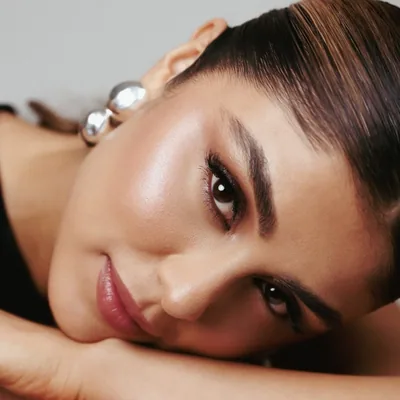
Paula | Makeup Skincare Beauty fashion
@pautips
7.6M
0.7% ER
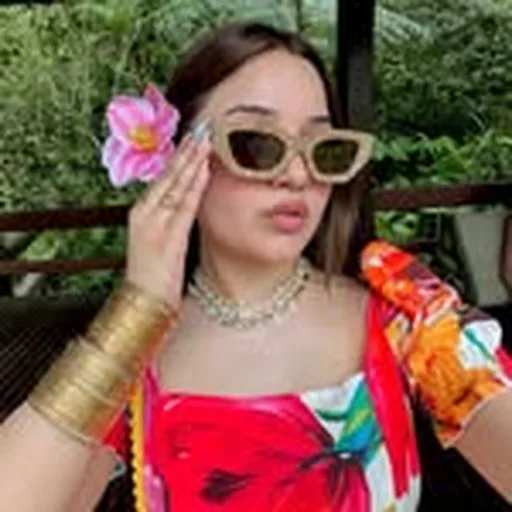
Rabeeca Khan
@rabeecakhan
6.5M
0.6% ER
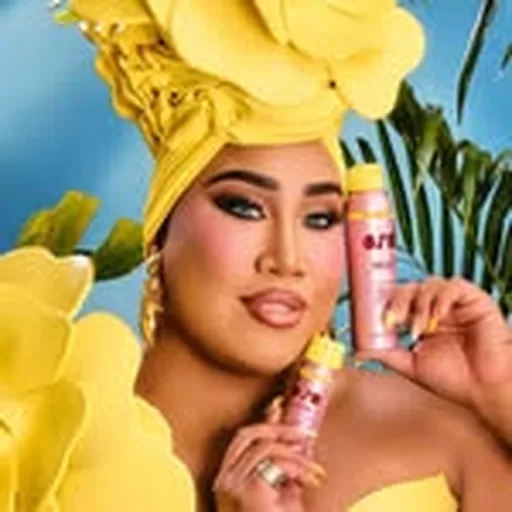
patrickstarrr
@patrickstarrr
4.3M
1.2% ER
Hung Vanngo
@hungvanngo
4.1M
0.7% ER

Hira Faisal
@hiraa_faisal
3.1M
2.8% ER

Denise Laurel
@d_laurel
3M
0.0% ER
Luis Torres 🐆
@ltorresbeauty
2M
8.5% ER
Influencer Abike 🥂
@papaya_ex
1.9M
2.3% ER
SPENCER HEDGES
@paintedbyspencer
1.7M
0.0% ER

colleen.makeupp
@colleen.makeupp
1.7M
0.0% ER
Erin Parsons
@erinparsonsmakeup
1.4M
3.7% ER
Ender Sarac
@haydrendersarac
1.3M
0.2% ER
Urmila| Actor Marathi Youtuber
@urmilanimbalkar
1.3M
1.0% ER
Beyond Beauty Natasha
@beyondbeautynatasha
1.3M
0.0% ER
TBAJ
@tolanibaj
1.2M
1.3% ER
Abel Cantika ♥
@abellyc
1.2M
2.2% ER
Patricia Nikole
@paintedhair
1.1M
2.6% ER

Richa Deb
@_facedecor_
1.1M
6.0% ER
Banke Meshida Lawal
@banksbmpro
1M
2.3% ER
This is just the top of the list — millions of profiles across several social networks
Sign up free to browse the full segment, filter by size, engagement and location, and export shortlists.
Unlock the full list — free
instme Top Beauty YouTubers — ranked live
About the beauty youtubers space
Tutorials, reviews, and beauty routines viewers search for
Viewers come to beauty YouTubers for help making purchase and technique decisions: how a foundation wears after several hours, whether a palette suits deeper skin tones, how to recreate a bridal look, or which products fit a simple everyday routine. The appeal is practical as much as aspirational; audiences want close-up application, shade comparisons, texture, finish, and honest trade-offs that short posts often cannot show.
This segment includes makeup artists, skincare-focused educators, hair and grooming creators, fragrance reviewers, nail artists, clean-beauty voices, mature-skin specialists, budget beauty shoppers, and luxury beauty collectors. Common formats include step-by-step tutorials, first impressions, empties videos, “get ready with me” episodes, product ranking lists, wear tests, routine breakdowns, and seasonal trend edits. Many YouTube beauty creators also use Instagram and TikTok for swatches, quick tips, before-and-after clips, and reminders that send viewers back to longer videos.
See how it stacks up next to top music youtubers and top youtubers before you shortlist.
Sponsorships that fit the way beauty audiences decide
Beauty viewers usually need evidence before they trust a recommendation. They look for application footage, lighting that shows texture, skin-type context, shade matching, and a clear explanation of who a product is for. Campaigns work better when the creator can demonstrate a product inside a real routine rather than only naming it in a scripted mention.
Effective brand formats include dedicated review videos, integrated tutorial placements, launch-day demos, routine sponsorships, creator-curated bundles, affiliate links, discount codes, and multi-platform packages where a YouTube video is supported by TikTok clips or Instagram Stories. Wear tests, comparison videos, and “one brand full face” concepts often fit beauty because they answer practical objections while keeping the content watchable.
Pricing is shaped by more than subscriber count. Video production effort, exclusivity, usage rights, category conflicts, product complexity, review timeline, creator credentials, audience geography, and whether the deliverable includes short-form cutdowns all affect cost. A makeup artist with a smaller but highly trusted audience can be more valuable for a technical launch than a larger general lifestyle channel.
For briefs, pricing benchmarks and outreach templates, read our guide to beauty influencer marketing.
Signals that separate influence from surface-level reach
Beauty audiences reveal trust through behavior: they ask shade questions, request follow-up wear tests, compare their skin type to the creator’s, and report back after buying. For marketers, those comments can be more useful than broad praise because they show whether the creator is shaping product consideration.
Useful benchmarks include average views per video, view consistency across sponsored and non-sponsored uploads, comment quality, like-to-view ratio, audience location, retention on longer reviews, and performance of product-specific videos. In the aggregate data available for this segment, average followers are 687,864, average engagement rate is 5.65%, and 43.6% are verified. The account-size mix is broad: nano creators represent 32%, micro 33%, mid 19%, macro 7%, and mega 9%, so engagement patterns should be judged within size tier rather than by scale alone.
Red flags include sudden spikes unrelated to content, repeated sponsorships with little personal testing, comments that do not match the video topic, over-filtered demonstrations, missing disclosures, and a history of recommending incompatible products too broadly. Current trends include skin-first makeup, fragrance layering, affordable alternatives, creator-led tutorials for specific undertones and textures, and YouTube reviews extended through short clips on TikTok and Instagram.
Skip the manual checks — InstMe's influencer search platform surfaces these signals automatically in every free report.
Market snapshot
How this segment breaks down by account size and platform — updated Sep 19, 2026.