
Top Gaming Podcasters
How does the market for gaming podcasters actually look? In short: the segment averages 214.4K followers at 21.65% engagement, and 87% of it is nano or micro accounts — the tier most brands lean on for authentic, budget-friendly collaborations. The data comes from InstMe's index of millions of profiles across several social networks.
Below you'll find the current top creators, a snapshot of how the segment splits by account size and platform, and answers to the questions brands ask us most. Everything refreshes automatically as our pipeline rescans profiles.
Millions
Profiles indexed across networks
214.4K
Avg. followers
21.65%
Avg. engagement
77%
Recently active
34.0%
Verified accounts
Top 21 creators
Ranked by followers

tyler oakley
@tyleroakley
5.8M
0.2% ER

Stassi Schroeder Clark
@stassischroeder
3.6M
2.1% ER

Bachelor Nation
@bachelornation
454.3K
1.4% ER

Jennifer Prioli
@jennyprioli
234.6K
10.8% ER

ROR Studioz
@rorstudioz
129.4K
0.1% ER
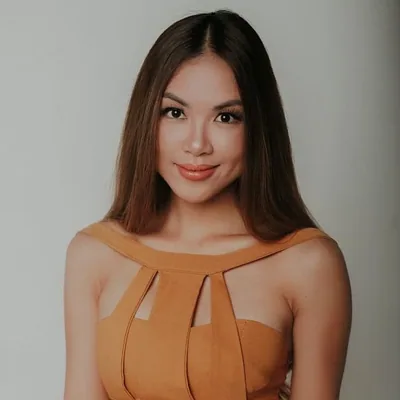
Mara Aquino
@missmaraaquino
114.6K
0.2% ER
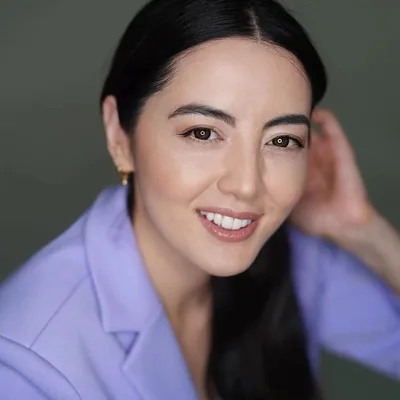
Jane Douglas
@penny_dreadful
109.4K
4.8% ER
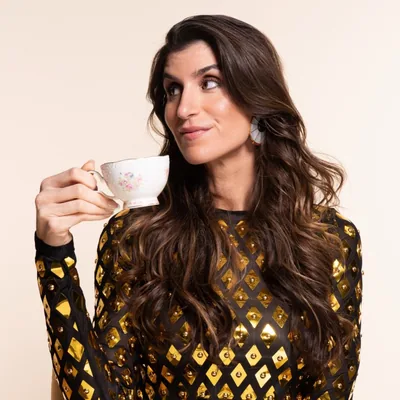
Financial Tea Podcast
@financialteapodcast
95.7K
15.8% ER
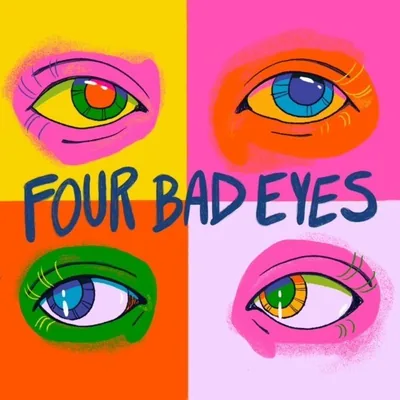
Four Bad Eyes Podcast
@fourbadeyes
90.9K
0.6% ER
LeMaire Lee
@lemairelee
87K
2.9% ER
Bruno Micali
@micalibruno
62.3K
8.9% ER
David G. Romo
@dgromo
59.1K
16.5% ER

Simon 🙋🏼♂️Autos / Comedy / Family
@simon.cabe
54.3K
11.9% ER
benaveryisgood
@benaveryisgood
46.6K
6.3% ER
Erica Etter
@erietterok
45.9K
32.2% ER
JeffGrossPodcast
@jeffgrosspodcast
45.3K
12.0% ER
Lev Fer
@levfer
44.7K
100.0% ER

Counsel Culture Show
@counselcultureshow
38.6K
0.0% ER
Eritra
@eritrajinx
26.1K
0.9% ER

Ms 5000 Watts
@ms5000watts
24.7K
1.2% ER

VPinthecut
@vpinthecut
15.8K
11.6% ER
This is just the top of the list — millions of profiles across several social networks
Sign up free to browse the full segment, filter by size, engagement and location, and export shortlists.
Unlock the full list — free
instme Top Gaming Podcasters — ranked live
About the gaming podcasters space
From patch notes to post-match debate
Gaming podcasters are distinct from general gaming creators because the product is not only gameplay; it is interpretation. Their content often turns new releases, patches, esports results, studio decisions, hardware changes, monetization debates, lore, and community drama into recurring conversation formats. On YouTube, that may mean full video episodes, roundtables, interviews, or reaction panels. On TikTok and Instagram, the same creators often distribute short clips built around a strong take, a funny host exchange, or a concise explanation of a current issue.
Common archetypes include analyst hosts who break down competitive play, friends-led shows built on chemistry, franchise specialists focused on one game or genre, news commentators, retro gaming voices, and creators who mix podcasting with reviews or buying advice. Audiences come for context, not just entertainment. They want to know whether an update matters, why a studio decision is controversial, which games are worth their time, and how other players are reacting. Loyalty is often tied to trust in the host’s taste and consistency over time.
See how it stacks up next to top music podcasters and top podcasters before you shortlist.
Sponsorships that survive a long game chat
The strongest paid placements feel like part of the discussion rather than an interruption. Host-read integrations, sponsored segments, launch-week commentary, product trials, and episode topics tied to a relevant release usually fit better than generic ad copy. For gaming podcasters, credibility depends on sounding like a player first and a promoter second. A creator who can explain why a headset, mobile game, energy drink, controller, subscription, or software tool fits a specific playstyle will usually offer a more useful endorsement than a polished but vague mention.
Short-form cutdowns matter because many podcast moments travel through TikTok, Instagram Reels, and YouTube Shorts before viewers commit to a full episode. Brands should plan for both the long placement and the clips that can carry the message afterward. Price pressure tends to rise with audience fit by genre or platform, host authority, verified status, video production quality, cross-platform distribution, exclusivity, and timing around launches, tournaments, or major updates. A smaller creator focused on a game community may be more valuable than a broad gaming voice if the product is highly specific.
For briefs, pricing benchmarks and outreach templates, read our guide to gaming influencer marketing.
Signals of real gaming influence beyond loud takes
Gaming podcast performance should be judged through conversation quality as much as reach. Aggregate benchmarks for this segment show an average follower count of 353,494, an average engagement rate of 12.53%, and a verified share of 33.9%, but the account-size mix is uneven: nano creators make up 47% and micro creators 34%, while mid, macro, and mega accounts form smaller shares. That makes engagement, topic fit, and community response especially important. A creator with fewer followers but consistent comments from players discussing builds, matchups, patches, or buying decisions may be more commercially useful than a larger account with passive views.
Useful checks include whether short clips drive thoughtful replies, whether YouTube episode comments reference specific host opinions, whether Instagram Stories or Reels prompt questions, and whether the creator regularly covers the games or categories relevant to the brand. Red flags include recycled gameplay with weak connection to the podcast, engagement driven mainly by giveaways, sudden shifts into unrelated sponsorships, comment sections dominated by bots or low-effort reactions, and hosts whose ad reads conflict with their stated preferences.
Current trends favor sharp clips from longer discussions, debate-style thumbnails and hooks, community polls, creator roundtables, and explainers that translate complex gaming news into plain language.
Skip the manual checks — InstMe's influencer search platform surfaces these signals automatically in every free report.
Market snapshot
How this segment breaks down by account size and platform — updated Sep 19, 2026.