
Top Fitness Creators in New Zealand
How does the market for fitness creators in New Zealand actually look? In short: the segment averages 172.8K followers at 10.88% engagement, and 89% of it is nano or micro accounts — the tier most brands lean on for authentic, budget-friendly collaborations. The data comes from InstMe's index of millions of profiles across several social networks.
Below you'll find the current top creators, a snapshot of how the segment splits by account size and platform, and answers to the questions brands ask us most. Everything refreshes automatically as our pipeline rescans profiles.
Millions
Profiles indexed across networks
172.8K
Avg. followers
10.88%
Avg. engagement
93%
Recently active
36.4%
Verified accounts
Top 21 creators
Ranked by followers

Tim Payne
@timpayne__
5.7M
6.3% ER
Melie Kerr
@meliekerrr
377K
2.9% ER
FMG International
@fmgshows
103.2K
0.1% ER

Mitch Evans
@mitchevans_
72.8K
0.1% ER
𝕹 𝖆 𝖛 𝖆 𝖏 𝖔
@navajostirling
72.7K
14.2% ER
Rae Morrison
@rae_morrison
57.3K
7.7% ER
Tom Walsh
@tomwalshnzl
50.5K
2.2% ER
Shannon Cockerill | Women’s Fitness & Nutrition Coach
@shannoncockerillfit
48.2K
8.3% ER
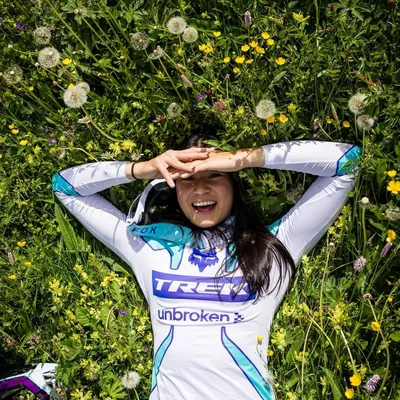
SACHA EARNEST
@sachaearnestt
36.1K
11.9% ER
Tysha Ikenasio
@tyshaikenasio
22.9K
3.4% ER

Oli Clark
@oli_clark_nz
17.7K
14.5% ER

Kelly Mac · Mobility & Stretch
@kellymacmobility
14K
0.6% ER
Michael Boxall
@mboxall
12.9K
11.9% ER
Chrissie / Fitness Coach
@chrissiemcdonald_hormonal2hot
11.4K
0.3% ER

Georgia-Rose Brown
@georgia.rose.brown
9.7K
0.0% ER

Brendon Leitch
@brendonleitch
9.2K
2.4% ER
Ella Wyllie
@ellawyllie
7.9K
3.7% ER

Ben de Wever - Real Estate
@bendewever
6.2K
0.3% ER

TK Cooper
@puretkc
5.1K
3.5% ER
Olivia Corrin
@olivia.corrin
4.4K
8.2% ER
Grid Hybrid
@grid.hybrid
3.8K
1.1% ER
This is just the top of the list — millions of profiles across several social networks
Sign up free to browse the full segment, filter by size, engagement and location, and export shortlists.
Unlock the full list — free
instme Top Fitness Creators in New Zealand — ranked live
About the fitness creators in new zealand space
New Zealand fitness content is gym work mixed with outdoor proof
Fitness creators in New Zealand often differ from broader fitness accounts because their content is tied closely to place: beach runs, trail sessions, rugby conditioning, netball strength work, surf mobility, ski-season preparation, and compact urban gym routines all sit alongside standard lifting and transformation content. Audiences are not only looking for workouts; they are checking whether a routine fits local weather, local facilities, and an active lifestyle that moves between gym floors and outdoor spaces.
Common formats include short-form exercise demonstrations on TikTok and Instagram, training-day vlogs on YouTube, meal-prep clips, recovery routines, mobility sequences, and progress updates. Creator archetypes range from personal trainers and strength coaches to everyday transformation accounts, endurance athletes, wellness-led instructors, and sport-specific performance creators. The segment has a strong lower-size base: nano accounts make up 56% and micro accounts 34% of the account-size mix, which means many creators may be closely tied to specific communities, clubs, cities, or training styles rather than broad celebrity reach.
Compare this market with top music creators in New Zealand and top fitness creators — same live rankings, same data pipeline.
Partnerships work best when the product survives a real training context
In this segment, strong brand integrations usually show the product inside an actual session rather than as a detached lifestyle mention. Activewear can be shown through squats, hill runs, reformer classes, or wet-weather training; supplements through recovery routines or pre-session preparation; fitness apps through tracked progress; and equipment through repeat use over several weeks. New Zealand audiences are likely to notice whether the setting, season, and training style feel practical rather than imported from a generic global fitness feed.
Formats that tend to suit these creators include workout challenges, coached technique videos, “day of training” content, honest product trials, recipe or recovery pairings, and short educational clips that solve a specific problem such as knee stability, warm-ups before sport, or returning to training after time off. YouTube can support deeper reviews and programmes, while Instagram and TikTok are better for repeatable demonstrations and quick saves.
Price is usually shaped by more than follower count. Certification, coaching credibility, audience location, video production quality, exclusivity, usage rights, posting frequency, and whether the creator can drive participation all matter. Verified accounts represent 37.5% of this segment, so verification may help with trust, but it should not outweigh content relevance or audience fit.
Planning a campaign here? Our playbook on health and wellness influencer marketing covers strategy, pricing and measurement.
Local audience fit matters more than a large fitness following alone
A creator with a big global fitness audience may be less useful than a smaller New Zealand account whose followers train in the same conditions, shop locally, and recognise the same sports and routines. The aggregate average follower count for this segment is 207,094, but the account-size mix shows why averages need context: a small number of large accounts can sit beside many nano and micro creators. Engagement is especially important here, with the segment showing an average engagement rate of 11.34%, but brands should still inspect the quality of comments, saves, shares, and repeat viewer response.
Useful evaluation metrics include audience country concentration, city or regional relevance, follower growth consistency, sponsored-to-organic content balance, video completion signals, and whether workout content generates questions or action rather than only compliments. For coaching-led creators, qualifications, safety cues, exercise regressions, and clear disclaimers are important trust markers. For transformation creators, look for realistic pacing and transparent context.
Red flags include extreme body claims, unsafe lifting demonstrations, supplement-heavy posting without practical training value, sudden engagement spikes, repetitive comment patterns, and content that relies on before-and-after imagery without explaining process. Current trends to watch include hybrid strength and endurance training, women’s strength content, recovery and mobility, sport-specific conditioning, outdoor group sessions, and short educational videos that make one exercise or habit easy to apply immediately.
All of these vetting signals come built into InstMe's influencer marketing platform — free reports on every profile above.
Market snapshot
How this segment breaks down by account size and platform — updated Sep 19, 2026.
Frequently asked questions
Related niches
Broader segments
Charts for this market
Metric leaderboards for Instagram accounts in New Zealand — ranked by the numbers, refreshed daily.