
Top Fashion Creators in Los Angeles
How does the market for fashion creators in Los Angeles actually look? In short: the segment averages 89.4K followers at 8.09% engagement, and 86% of it is nano or micro accounts — the tier most brands lean on for authentic, budget-friendly collaborations. The data comes from InstMe's index of millions of profiles across several social networks.
Below you'll find the current top creators, a snapshot of how the segment splits by account size and platform, and answers to the questions brands ask us most. Everything refreshes automatically as our pipeline rescans profiles.
Millions
Profiles indexed across networks
89.4K
Avg. followers
8.09%
Avg. engagement
71%
Recently active
38.8%
Verified accounts
Top 21 creators
Ranked by followers
Coby Persin
@cobypersin
1.6M
0.0% ER
SONYA ESMAN
@sonyaesman
1.3M
0.4% ER
ᴍᴀᴅᴇʟʏɴ
@madzilla
695.9K
0.1% ER
Justine Joy Ndiba
@justinejoy
673.9K
2.0% ER
Sheryl Luke
@walkinwonderland
579.8K
1.0% ER
Joyjah Estrada
@joyjah
436.1K
1.2% ER
Erica Jean
@curve_model
241.5K
0.5% ER

Obio.
@obioojones
212.5K
2.5% ER
Jessica Carrie Lee | LA Life Beauty & Style
@jessicacarrielee
206.9K
2.7% ER
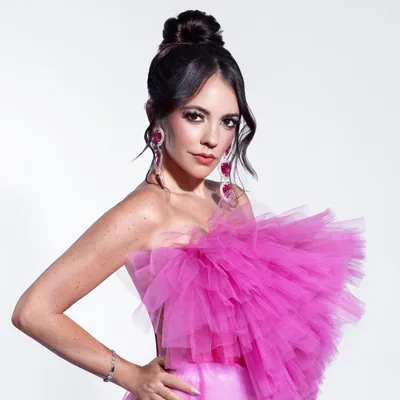
Dina Renée| LA pop singer
@dinarenee
198.6K
0.0% ER
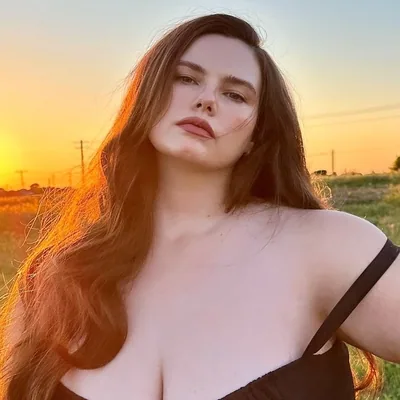
Katie Brown
@a_katiebrown
170.9K
2.1% ER
ALEXA BECKFORD
@alexabeckford
168.7K
2.6% ER
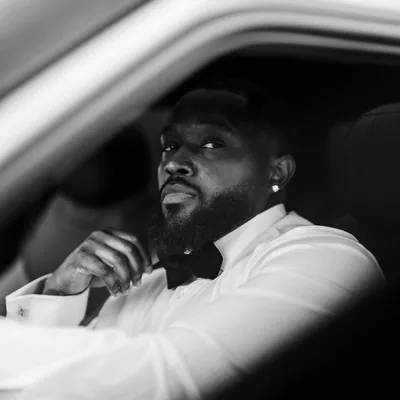
Mario Reed
@mrr33d
164.3K
3.0% ER
Versa-Style Street Dance Company
@versastylela
121.7K
2.1% ER
JULIA LEE
@itsjulialee
95.8K
1.0% ER
PAIGE LORENTZEN
@paigelorentzen
95.2K
0.2% ER
DARREN WEARS IT WELL
@darrenwearsitwell
90.2K
0.5% ER

$WäGG
@yoitswagg
89.3K
0.6% ER
Jennifer Atilémile
@jenniferatilemile
88.6K
0.3% ER
Wendy Alcala
@wendyalcala
85.4K
0.1% ER
Dora Owusu🇬🇭
@doraowusu
84.5K
0.1% ER
This is just the top of the list — millions of profiles across several social networks
Sign up free to browse the full segment, filter by size, engagement and location, and export shortlists.
Unlock the full list — free
instme Top Fashion Creators in Los Angeles — ranked live
About the fashion creators in los angeles space
Los Angeles fashion content spans red carpets, vintage racks, and everyday streetwear
Fashion creators in Los Angeles tend to sit closer to the entertainment, beauty, fitness, and nightlife worlds than fashion creators in many other cities. Their content often moves between styling videos, event looks, thrift and vintage hauls, boutique try-ons, GRWM posts, swimwear and resort styling, sneaker and streetwear drops, and behind-the-scenes content from shoots, showrooms, and brand events.
Common archetypes include the polished lifestyle-fashion creator, the vintage curator, the model or actor with a strong style identity, the streetwear reviewer, the boutique stylist, and the beauty-fashion hybrid whose audience follows makeup, hair, and outfit choices together. LA also produces creators whose fashion content is tied to locations: Melrose, Silver Lake, West Hollywood, Venice, DTLA, Beverly Hills, or coastal settings all signal different aesthetics.
Audiences usually come for practical outfit ideas, local shopping cues, aspirational styling, and visibility into event culture. Compared with broader fashion creators, LA-based fashion accounts often blend personal branding with a sense of access: what to wear to a launch party, how to style a daytime shoot, where to find vintage denim, or how to make casual clothes look camera-ready.
Compare this market with top music creators in Los Angeles and top fashion creators — same live rankings, same data pipeline.
Partnerships work best when the clothes fit the creator’s LA context
Strong collaborations in this segment usually feel anchored in a creator’s real routine: styling a look for a gallery opening, building outfits around a weekend in Venice, packing for a desert trip, or showing how a piece moves from errands to dinner. Short-form video on TikTok and Instagram Reels is often useful for outfit transitions, try-ons, and styling prompts, while Instagram carousels can show fit, texture, and multiple wear occasions. YouTube can support longer hauls, closet edits, shopping guides, and seasonal wardrobe breakdowns.
What tends to perform is not just the product reveal, but the styling logic around it. Audiences respond to creators who explain proportions, layering, accessories, fabric choices, or how to adapt a trend to real weather and daily life. For LA fashion creators, location can be part of the creative: sidewalks, hotel lobbies, beach paths, rooftops, studios, and vintage stores all help frame the look.
Pricing is usually shaped by audience quality, platform mix, production expectations, usage rights, exclusivity, turnaround time, and whether the creator is expected to attend an event or produce polished campaign assets. Verified status can also matter for some brands; in this segment, 38.3% of the aggregated profiles are verified, which makes it worth separating social credibility from actual audience response.
Planning a campaign here? Our playbook on fashion influencer marketing covers strategy, pricing and measurement.
Signals that separate style influence from surface-level reach
A large audience is not always the best predictor of value in LA fashion. The segment has an average follower count of 70,573 and an average engagement rate of 8.42%, but the account-size mix is heavily weighted toward smaller creators: 44% nano and 46% micro, with smaller shares of mid, macro, and mega accounts. That makes engagement quality especially important. Comments that ask about sizing, links, styling advice, store locations, or outfit details are more meaningful than generic compliments.
Useful checks include saved-post potential, repeat commenters, view-to-engagement patterns on Reels and TikToks, consistency across sponsored and non-sponsored posts, and whether the creator can drive interest in specific garments rather than just in their personal image. For YouTube, watch time signals and comment depth are important because fashion hauls and styling videos can influence consideration over a longer period.
Red flags include an audience that appears disconnected from the creator’s stated city or niche, sudden changes in engagement quality, sponsored posts that underperform sharply, over-edited visuals that hide product fit, and feeds where every outfit looks like an ad. Current content trends favor outfit formulas, vintage sourcing, capsule styling, creator-led shopping guides, event dressing, and candid fit checks. For marketers using InstMe, the strongest shortlist combines local relevance, consistent fashion authority, and evidence that followers act on style recommendations.
All of these vetting signals come built into InstMe's influencer marketing platform — free reports on every profile above.
Market snapshot
How this segment breaks down by account size and platform — updated Sep 19, 2026.