
Top Beauty Creators in Germany
How does the market for beauty creators in Germany actually look? In short: the segment averages 71.9K followers at 8.71% engagement, and 85% of it is nano or micro accounts — the tier most brands lean on for authentic, budget-friendly collaborations. The data comes from InstMe's index of millions of profiles across several social networks.
Below you'll find the current top creators, a snapshot of how the segment splits by account size and platform, and answers to the questions brands ask us most. Everything refreshes automatically as our pipeline rescans profiles.
Millions
Profiles indexed across networks
71.9K
Avg. followers
8.71%
Avg. engagement
77%
Recently active
35.9%
Verified accounts
Top 21 creators
Ranked by followers
IL MAKIAGE
@ilmakiage
1.6M
0.0% ER
Dr. Barbara Sturm
@drbarbarasturm
713.1K
0.1% ER
🌸Sage femme Merdji nesrine🌸
@sf_nesrine_merdji
429.6K
3.6% ER
Mehtap Demirci
@hairstylebymehtap
382.1K
4.2% ER
dm beauty
@dm_beauty
327.4K
0.9% ER
Paris Volsch
@parisvolsch
276.9K
2.6% ER
Susanne Krammer
@fraubeauty
271.2K
0.5% ER
JASMIN
@basecoatstories
264.1K
4.0% ER
Germany
@makeupbygermany
204K
0.7% ER
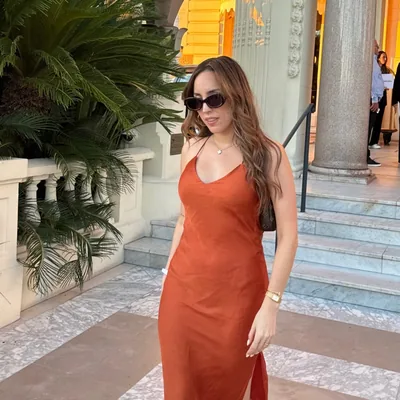
DIANA VERRY | makeup, skin, hair & health
@dianaverry
194.1K
2.2% ER
Himani Sharma | Content Creator
@zeal_to_fly
173K
14.6% ER
Germany | Deutschland Germanypix 🇩🇪
@germanypix
117.4K
0.5% ER
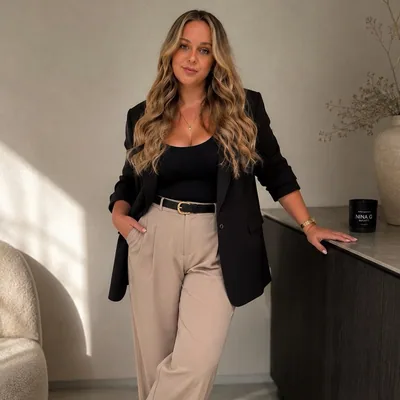
Nina Gräßer
@ninag_makeup
105.1K
1.5% ER
Makeup Artist Eva Gürbüz
@makeupbyevva
104.7K
0.1% ER
Marco Sinervo
@marcosinervo
95.5K
1.6% ER
Serena Goldenbaum | Hair- Make-up Artist, Beauty Educator
@serenagoldenbaum
88.7K
0.7% ER
FORMEL SKIN
@formel.skin
88.3K
0.1% ER
Vanessa Chamberlin 🌸 Midlife Beauty 🌸 Grey Hair Coach
@silverliberation
86.3K
2.6% ER

madametamtam
@madametamtam
83.3K
1.1% ER

Tyron Machhausen
@tyronmachhausen
78.7K
0.7% ER
yuicy
@yuicy
71.5K
0.1% ER
This is just the top of the list — millions of profiles across several social networks
Sign up free to browse the full segment, filter by size, engagement and location, and export shortlists.
Unlock the full list — free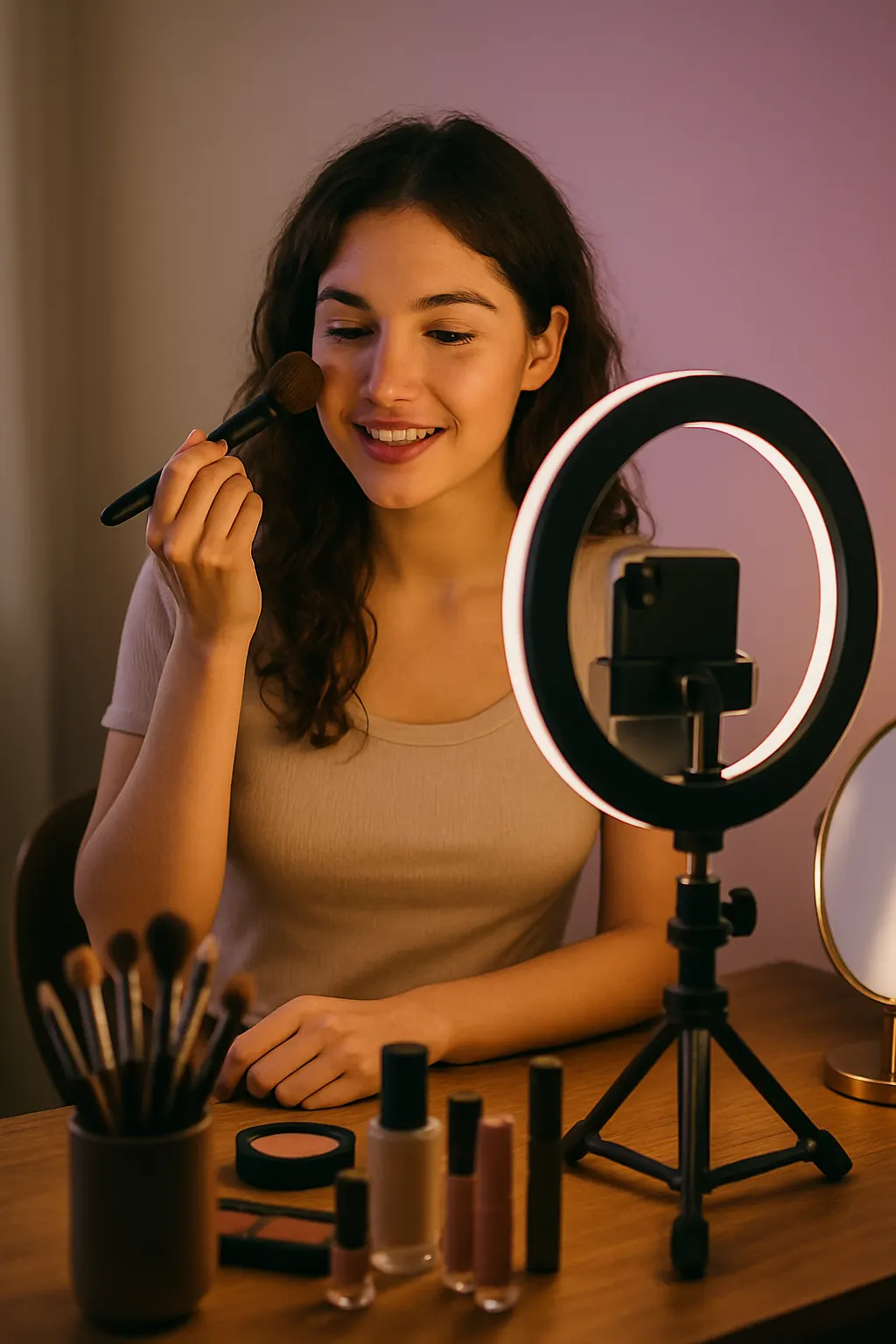
instme Top Beauty Creators in Germany — ranked live
About the beauty creators in germany space
German beauty content blends technique, product literacy, and everyday wearability
German beauty creators are distinct from general lifestyle creators because the audience expects close-up evidence: texture, shade, wear time, skin finish, ingredient positioning, and how a look holds up in normal routines. The segment spans makeup tutorials, skincare routines, hair styling, fragrance commentary, nail content, beauty shopping hauls, and “get ready with me” formats adapted to German-speaking audiences.
Common archetypes include the practical skincare explainer, the makeup artist who teaches application, the drugstore discovery account, the luxury beauty reviewer, and the creator who combines beauty with fashion or wellness. Instagram is often used for polished looks, Reels, carousels, and before-and-after posts; TikTok favors quick testing, dupes, routines, and reactive trend formats; YouTube supports longer reviews, empties videos, and detailed tutorials.
Audiences usually come for confidence before purchase: whether a product suits their skin type, shade range, budget, routine, or aesthetic. In Germany, clarity and credibility often matter as much as aspiration.
See how it stacks up next to top beauty creators and top music creators in Germany before you shortlist.
Campaigns work best when products are shown in use, not just displayed
Beauty partnerships in Germany tend to perform when the creator can demonstrate a product under realistic conditions: applying foundation in natural light, comparing mascara before and after, explaining where a serum fits in a routine, or showing hair results after styling. Formats that fit the category include launch content, routine integrations, tutorial-led Reels or TikToks, YouTube reviews, seasonal edits, shade demonstrations, and creator-curated bundles.
The most useful collaborations give creators room to translate brand claims into their own language. A skincare creator may focus on routine order and skin feel, while a makeup creator may emphasize finish, pigment, longevity, and compatibility with other products. For German audiences, over-scripted claims can reduce trust, especially in skincare, where ingredient language and expectations need to be handled carefully.
Pricing is usually shaped by platform mix, production quality, usage rights, exclusivity, audience fit, category authority, and whether the creator must produce detailed testing over time. Verified status can also influence perceived trust: 41.7% of the aggregate segment is verified, so brands should still separate verification from actual influence.
For briefs, pricing benchmarks and outreach templates, read our guide to beauty influencer marketing.
German beauty creator quality is visible in comments, consistency, and product judgment
A large follower count is not enough in this category because beauty audiences ask specific questions. The aggregate average is 168,399 followers with a 3.83% engagement rate, but the account-size mix shows why smaller creators matter: nano accounts represent 47% and micro accounts 33%, while mid-size accounts account for 11% and mega accounts 8%. That structure makes engagement quality especially important.
Useful metrics include saves on tutorials, comment depth, repeat questions about shades or routines, video completion on demonstrations, story responses, and how often followers reference past recommendations. For YouTube, watch time and search-led discovery can matter more than immediate likes. On TikTok, check whether high views come from beauty-relevant posts or from unrelated viral clips. On Instagram, compare Reel performance with carousel saves and comment quality.
Red flags include repeated sponsored posts without product context, identical captions across partnerships, heavy filtering on complexion content, unclear disclosure, and comment sections dominated by generic praise rather than product discussion. Current trends to watch include skin-barrier routines, natural-finish makeup, fragrance layering, affordable alternatives, hair health, and short-form “testing before recommending” series. InstMe can help compare these signals across Instagram, YouTube, and TikTok profiles without treating size as the only benchmark.
Skip the manual checks — InstMe's influencer search platform surfaces these signals automatically in every free report.
Market snapshot
How this segment breaks down by account size and platform — updated Sep 19, 2026.
Frequently asked questions
Related niches
Narrow it down
Broader segments
Charts for this market
Metric leaderboards for Instagram accounts in Germany — ranked by the numbers, refreshed daily.