
Top Sports YouTubers
InstMe keeps a live ranking of sports youtubers across platforms, drawn from an index of millions of profiles across several social networks. The typical account here averages 248.4K followers with a 17.01% engagement rate — real numbers from our monitoring pipeline, not a directory that quietly goes stale.
One thing worth knowing before you scroll: 77% of the creators in this segment are nano or micro accounts (under 100K followers), the tier where engagement runs warmest and collaborations cost the least. Shortlist a few names below, then open any profile for its full free report: growth trend, audience quality, benchmarks and estimated media value.
Millions
Profiles indexed across networks
248.4K
Avg. followers
17.01%
Avg. engagement
70%
Recently active
42.5%
Verified accounts
Top 21 creators
Ranked by followers
Jannik Sinner
@janniksin
5.3M
10.1% ER

Alex Rodriguez
@arod
4.3M
0.1% ER
Gianni Infantino - FIFA President
@gianni_infantino
4.1M
0.4% ER
Sky Sports Football
@skysportsfootball
3M
0.4% ER
عاصم کمال
@iasimkamal
2.1M
22.7% ER

Jackie Shroff
@apnabhidu
2M
8.1% ER

KRISHNA JACKIE SHROFF
@kishushroff
1.5M
1.4% ER

추성훈 Sexyama YOSHIHIRO AKIYAMA
@akiyamachoo
877.3K
2.4% ER

Caio Franco
@francocaio
495.1K
1.5% ER

Luis Arraez
@arraezluis
477.2K
4.4% ER

Baseball Dugout
@baseballdugout
393.9K
1.1% ER
RING CHAMPS with AK & BARAK
@officialringchamps
383.1K
4.1% ER

Hurricanes
@hurricanesrugby
361.1K
3.0% ER
Football Fans Tribe 🇳🇬 ⚽
@fanstribehq
275.2K
1.4% ER
Bruno Evangelista
@futblack_
255.1K
0.3% ER

College Football
@elitecollegefootball
245.9K
5.9% ER

Dirty Boxing Championship
@dirtyboxing
244.7K
4.0% ER

Elliz Azhar
@thekampungvegan
207.5K
0.6% ER

James Riedel
@jiedel
203.4K
1.1% ER

The Indianapolis Clowns
@theindianapolisclowns
196.3K
4.7% ER

Pottstown Scout Team
@puscoutteam
161.3K
2.6% ER
This is just the top of the list — millions of profiles across several social networks
Sign up free to browse the full segment, filter by size, engagement and location, and export shortlists.
Unlock the full list — free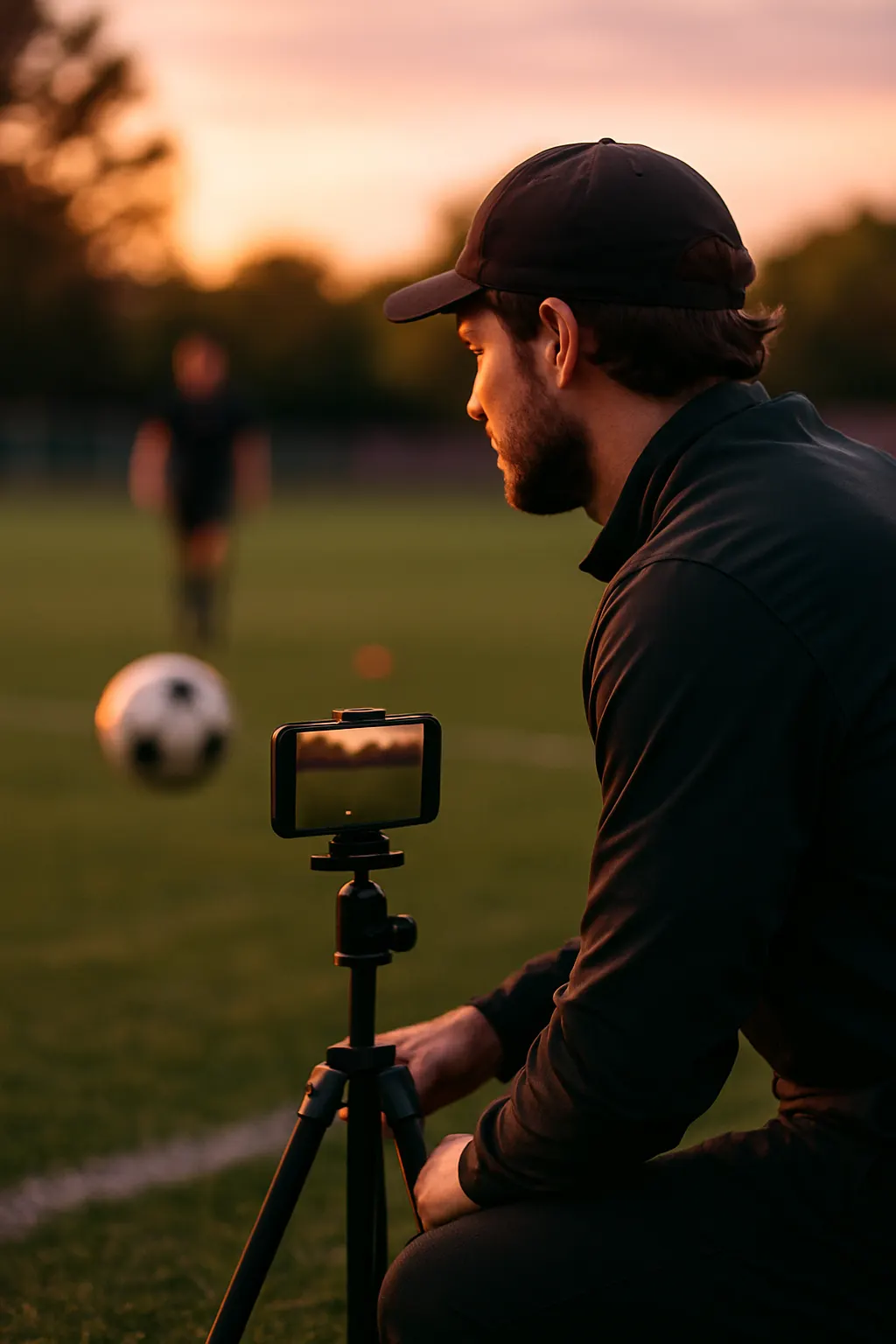
instme Top Sports YouTubers — ranked live
About the sports youtubers space
Inside the Sports YouTube Feed: Analysis, Drills, Rivalries and Reactions
A creator pauses a match clip, rewinds three seconds, and explains how one defender’s body angle opened the entire play. The next upload might be a shooting drill filmed on an empty court, a reaction to a transfer rumor, a gear test, or a documentary-style story about an underdog athlete.
Sports YouTubers cover a wide range of formats: tactical breakdowns, fan commentary, training tutorials, challenge videos, athlete vlogs, equipment reviews, fitness routines, sports comedy, fantasy discussions, and event previews. Some are analysts with whiteboards and statistics. Others are former players, coaches, journalists, collectors, or highly entertaining fans who have built a community around one club, league, athlete, or sport.
Audiences come for different reasons. Some want to improve their own game. Some want sharper context before a major match. Others want personality: the creator who reacts like a friend in the group chat, but with better editing and a stronger point of view. On YouTube, longer videos allow creators to build arguments, show technique step by step, and create recurring series that keep viewers returning through a season.
Compare this market with top youtubers and top music youtubers — same live rankings, same data pipeline.
Sponsorships That Fit the Rhythm of Sport
The strongest integrations usually feel connected to training, performance, viewing, travel, or fan identity. A running-shoe review works best when the creator actually tests the product over several sessions. A hydration or nutrition placement needs practical context, not just a logo. Apps, sports equipment, recovery tools, ticketing, streaming-related offers, apparel, and consumer tech can all fit when the use case is clear.
Common collaboration formats include dedicated product reviews, sponsored segments inside analysis videos, season-long partnerships, challenge videos, kit-bag features, training plan integrations, affiliate links, and pinned comments that support the main mention. For sports creators with strong recurring formats, a brand can become part of a weekly routine rather than a one-off interruption.
Performance often depends on timing. Content around finals, drafts, tournaments, transfer windows, new seasons, and major athlete moments can draw intense attention, but it also moves quickly. Evergreen videos, such as skill tutorials or gear comparisons, may keep producing value after the campaign window.
Price is shaped by more than audience size. Average views, watch time, niche authority, production quality, access to athletes or events, the depth of product testing, exclusivity, usage rights, and whether the brand needs a simple mention or a fully produced concept all influence cost. A creator who drives detailed comments from serious fans may be more valuable than a larger channel with passive viewers.
Planning a campaign here? Our playbook on creator marketing for agencies covers strategy, pricing and measurement.
Reading the Scoreboard Behind a Sports Channel
For sports YouTubers, subscriber count is only the starting point. Average views per recent upload, view-to-follower ratio, comment quality, posting consistency, and retention patterns usually say more about current influence. In aggregate, this segment shows an average following of 296,483, an average engagement rate of 10.53%, and a verified share of 38.5%. The account-size mix is heavily weighted toward nano and micro creators, at 48% and 28% respectively, with mid, macro, and mega creators making up smaller shares.
Engagement should be read in context. A niche tactics channel may have fewer views but more thoughtful comments from coaches, players, and serious fans. A reaction channel may spike around breaking news, then fall back between events. Shorts can bring discovery, but long-form performance shows whether viewers stay for the creator’s full perspective.
Useful checks include audience geography, language, sport focus, upload cadence across the season, and how the creator handles wins, losses, injuries, rivalries, and controversial calls. Red flags include reused match footage without clear rights, excessive rumor content, comment sections dominated by spam, sudden unexplained view spikes, misleading thumbnails, and brand mentions that feel unrelated to the sport.
Current content trends favor quick tactical explainers, creator-led documentaries, data-assisted breakdowns, behind-the-scenes training, and short clips that feed into longer YouTube videos. The best partners are not just loud sports fans; they are creators with a consistent role in the audience’s routine.
All of these vetting signals come built into InstMe's influencer marketing platform — free reports on every profile above.
Market snapshot
How this segment breaks down by account size and platform — updated Sep 19, 2026.