
Top Comedy YouTubers
How does the market for comedy youtubers actually look? In short: the segment averages 383K followers at 24.61% engagement, and 66% of it is nano or micro accounts — the tier most brands lean on for authentic, budget-friendly collaborations. The data comes from InstMe's index of millions of profiles across several social networks.
Below you'll find the current top creators, a snapshot of how the segment splits by account size and platform, and answers to the questions brands ask us most. Everything refreshes automatically as our pipeline rescans profiles.
Millions
Profiles indexed across networks
383K
Avg. followers
24.61%
Avg. engagement
72%
Recently active
42.5%
Verified accounts
Top 21 creators
Ranked by followers
Trevor Noah
@trevornoah
9.6M
1.0% ER

Kinigra Deon
@kinigradeon
8.2M
0.0% ER

Claudia Alende
@claudiaalende
8.2M
2.5% ER

Basketmouth
@basketmouth
7.7M
0.0% ER

DR. PRETTYVEE!✨
@yesimprettyvee
6.1M
0.3% ER

MAELL LEE
@maell_lee
5.6M
5.4% ER

Dr Craze 🇳🇬🇺🇦🇺🇸
@crazeclown
4.5M
1.2% ER
NELK
@nelkboys
4M
1.6% ER

TommyInnit
@tommyinnit
3M
3.8% ER
Julia K Barni
@juliakbarni
3M
2.2% ER

@Eshetu Melese - Official
@comedian_eshetumelese
2.9M
0.0% ER
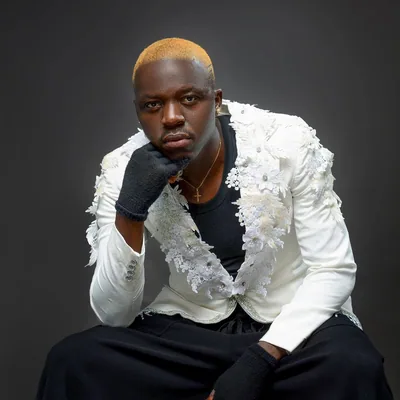
Jephthahakpororo@yahoo.com
@akpororo
2.6M
0.1% ER

ỌLÁYÍWỌLÁ
@layiwasabi
2.6M
1.9% ER

Simeon Fiapule
@uce_gang
2.4M
7.9% ER
Justin Silva
@juss_intimehd
2.3M
2.9% ER

Slobo
@slobotzky
2.3M
6.1% ER

Shivaputra Yasharadha
@shivaputrayasharadha
1.6M
15.0% ER
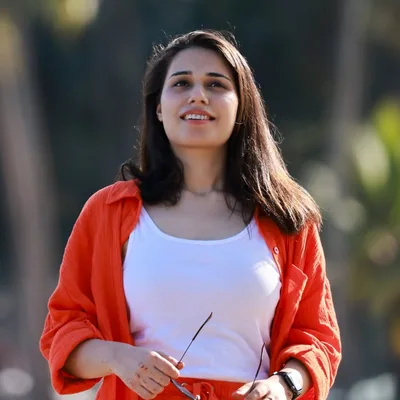
Saloni Gaur
@salonayyy
1.5M
7.6% ER

🤴🏾 𝑹𝒂𝒚𝒎𝒐𝒏𝒅 𝒚 𝒎𝒊𝒈𝒖𝒆𝒍 🤴🏾
@miguelyraymond
1.4M
1.9% ER

Isbae U
@isbae_u
1.4M
4.5% ER
Grace Helbig
@gracehelbig
1.4M
3.2% ER
This is just the top of the list — millions of profiles across several social networks
Sign up free to browse the full segment, filter by size, engagement and location, and export shortlists.
Unlock the full list — free
instme Top Comedy YouTubers — ranked live
About the comedy youtubers space
Sketches, bits, commentary, and character work on YouTube
Comedy YouTubers are defined less by a single subject than by repeatable comic premises: sketch series, parody, challenge-based humor, reaction and commentary, pranks, character-driven vlogs, improv formats, and edited compilations built around timing. Unlike many creator categories where expertise or lifestyle access is the primary draw, this segment depends on voice, rhythm, and audience familiarity with recurring jokes.
Audiences come for a reliable mood shift: quick laughter, shared references, and personalities they can quote or revisit. Long-form YouTube gives these creators room to build setups and running gags, while Shorts often act as discovery clips for a broader channel identity. Many also use Instagram or TikTok for punchline-first edits, behind-the-scenes moments, or cutdowns from longer videos.
The segment includes bedroom sketch creators, ensemble channels, satirical commentators, animation-driven comedy, prank personalities, and comedians using YouTube as a testing ground for bits. The account-size mix is broad, with micro and nano profiles making up a large share, while mega and macro creators are less common. Average followers sit at 316,339, with a verified share of 44.8% in the provided aggregate data.
Benchmark it against top youtubers and top music youtubers, ranked from the same live index.
Why the funniest integration is usually the least interruptive
Comedy integrations work best when the product becomes part of the joke rather than a pause before the content. Strong formats include scripted ad reads that match the creator’s persona, sketch premises built around a real use case, sponsored challenges, recurring segment sponsorships, and short comic cutdowns for YouTube Shorts, Instagram Reels, or TikTok. A straightforward product demonstration can work, but only if the creator’s delivery carries the moment.
This segment is distinct because creative control is not just a preference; it is often the source of performance. The audience is sensitive to forced lines, generic talking points, and tonal mismatches. Clear guardrails matter, but scripts that leave room for improvisation, exaggeration, or character work tend to fit the channel more naturally.
Price is usually shaped by channel size, average view consistency, production complexity, exclusivity, usage rights, category restrictions, and whether the brand needs a simple mention or a fully written sketch. Verified status and cross-platform reach can add value, but the main question is whether the creator can make the brand memorable without breaking the comedic frame.
Turn this research into results with our step-by-step guide to creator marketing for brands.
Reading comedy performance beyond subscriber count
Comedy channels can have volatile view patterns because a single premise may outperform the rest of the channel, so subscriber count should not be treated as the main signal. Engagement quality matters: comment sections full of quoted lines, inside jokes, repeat characters, and viewers tagging friends often indicate a stronger fan relationship than surface-level likes alone. The provided average engagement rate for this segment is 21.38%, which makes it especially important to compare each creator against their own recent baseline.
Useful checks include median views across recent uploads, retention cues when available, Shorts-to-long-form conversion, upload consistency, and whether sponsored videos perform close to unsponsored ones. For comedy YouTubers, brand safety review should look at tone as much as topic: sarcasm, edgy characters, pranks, or satire can be effective, but may not fit every advertiser.
Red flags include heavy reliance on copied trends, recycled jokes without a distinct persona, comment sections dominated by spam, sudden unexplained engagement spikes, or a history of sponsorships that feel detached from the channel. Current trends favor fast hooks, absurdist edits, creator-led fictional universes, podcast-to-clip comedy, and multi-platform testing of jokes before they become longer YouTube concepts. InstMe can help compare those signals across YouTube, Instagram, and TikTok without reducing the decision to size alone.
You don't have to check these by hand: InstMe's influencer discovery platform bakes them into every free report.
Market snapshot
How this segment breaks down by account size and platform — updated Sep 19, 2026.