
Top Beauty UGC Creators
How does the market for beauty ugc creators actually look? In short: the segment averages 28.3K followers at 14.00% engagement, and 94% of it is nano or micro accounts — the tier most brands lean on for authentic, budget-friendly collaborations. The data comes from InstMe's index of millions of profiles across several social networks.
Below you'll find the current top creators, a snapshot of how the segment splits by account size and platform, and answers to the questions brands ask us most. Everything refreshes automatically as our pipeline rescans profiles.
Millions
Profiles indexed across networks
28.3K
Avg. followers
14.00%
Avg. engagement
71%
Recently active
18.3%
Verified accounts
Top 21 creators
Ranked by followers
Gelsiniy Bareeva
@gelsiniybareeva
1M
1.8% ER
MAKEUP ARTIST CHICAGO | MAKEUP CLASSES | UGC CREATOR
@kristyle_makeup
369.7K
1.3% ER
Dr. Sumaiya Badshah, DNP
@dr.raremuse
354.5K
0.0% ER
Joy hunter
@joyl.hunter
344.9K
4.4% ER
Anna, beauty creator
@annakozlovaugc
280K
15.7% ER
Gvanca🤍
@gvanca_t
260.4K
0.6% ER
MAQUILLADORA IBIZA /Mua/Makeup artis/creadora UGC
@makeup_mary_dego
189.1K
4.3% ER
luballatore
@soylacoloradatrucha
186.8K
1.1% ER
M A R I A M I
@mariami___k
177.4K
5.2% ER
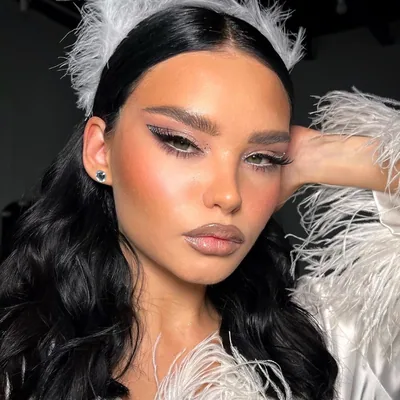
Makeup artist | UGC | Model | Москва
@bianasoshnikova
171.5K
44.5% ER

Aïda Kihal
@selflove_aida
167K
100.0% ER
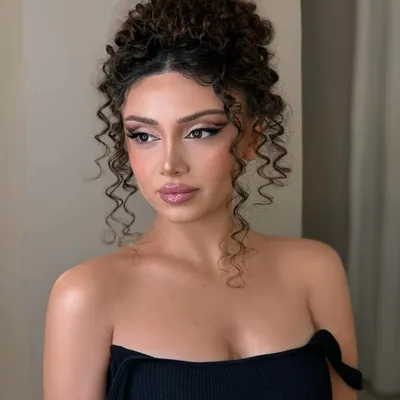
Natia kurtanidze
@nat.ts00
152.7K
5.6% ER
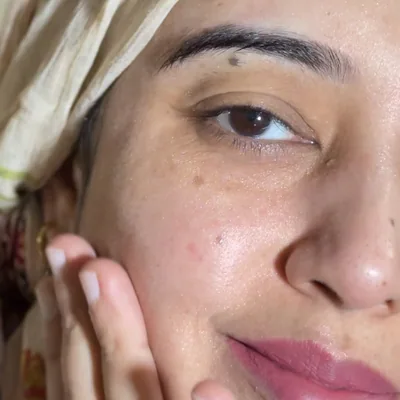
Maryam
@glitterycosmo
138K
0.7% ER

Lorena Vasquez 🇩🇴 | 🎥 Contenido auténtico para marcas
@lorenavazques
134.3K
0.3% ER
Shilpi Agarwal
@ugcshilpigarg
127.4K
1.8% ER
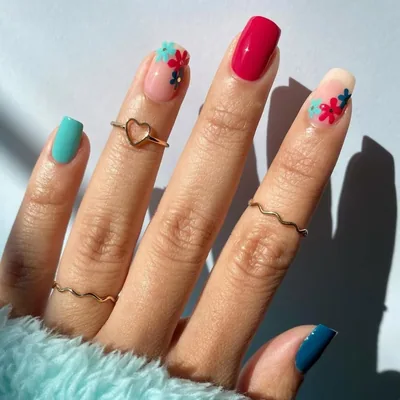
Kathy | UGC | Nail Content Creator 💜
@kt_tk1
126.7K
35.8% ER
Ashrakat Ahmed
@_ashrakat._
116.1K
1.3% ER
Zainab Iye | Beauty Content Creator | Influencer
@fabulous_facesbyzee
111.2K
1.9% ER
Jayshree | Toronto Lifestyle • Skincare, Hair + Wellness
@everyjayliving
105.7K
0.4% ER

Kiladze Nora 👑
@kilaqueen_
100.7K
1.6% ER
Angie Guarin
@angieguarin_la
100.5K
0.3% ER
This is just the top of the list — millions of profiles across several social networks
Sign up free to browse the full segment, filter by size, engagement and location, and export shortlists.
Unlock the full list — free
instme Top Beauty UGC Creators — ranked live
About the beauty ugc creators space
Beauty UGC is built around proof, not personality alone
Beauty UGC creators differ from general lifestyle creators because the product has to be seen working: shade payoff, skin finish, texture, wear time, packaging, applicator design, and how a formula behaves under real lighting. Their content often includes first impressions, routine integrations, before-and-after clips, product comparisons, unboxings, close-up swatches, GRWM videos, voiceover tutorials, and short testimonial-style ads.
Common archetypes include skincare testers with consistent skin-type disclosure, makeup users who specialize in complexion or eye looks, haircare reviewers, fragrance storytellers, nail creators, and creators focused on specific needs such as sensitive skin, acne-prone routines, textured hair, mature skin, or minimal makeup. Audiences come for practical evidence: how a product applies, whether claims appear plausible, what skin tone or hair type it suits, and whether the creator explains limitations rather than only showing a polished result.
Compare this market with top beauty creators and top lifestyle ugc creators — same live rankings, same data pipeline.
Formats that make beauty products easier to judge
The strongest beauty UGC partnerships usually give the creator enough structure to cover key claims while preserving a consumer-style delivery. Effective formats include problem-solution demos, “three ways to use it” videos, routine placement, side-by-side comparisons, wear tests, shade matching, ingredient-led explainers, and short cutdowns designed for paid social use on Instagram, TikTok, or YouTube Shorts.
Performance often depends on clarity more than production polish. Close framing, clean audio, natural light, visible product use, and specific language around skin feel or finish can matter more than a studio setup. Beauty audiences are quick to notice when a product is only held up to camera or discussed without use.
Pricing is driven by more than follower count. Usage rights, paid media licensing, exclusivity, turnaround time, number of hooks or edits, raw footage, scripting requirements, reshoots, and whether the creator needs to test the product over days or weeks all affect cost. Skincare and haircare can require longer trial windows than color cosmetics, especially when claims involve texture, irritation, shine, or breakage.
Planning a campaign here? Our playbook on influencer marketing for beauty brands covers strategy, pricing and measurement.
Signals that separate usable beauty UGC from generic product posts
Follower size is not the main filter for beauty UGC. In this segment, the account-size mix skews toward smaller creators, with nano accounts at 52% and micro accounts at 43%; the average follower count is 29,112. That makes engagement quality, content skill, and category fit especially important. The average engagement rate is 9.68%, and verified profiles represent 18.0%, but these should be read alongside comment relevance and recent posting consistency.
Useful evaluation points include whether the creator discloses skin tone, skin type, hair type, routine context, and any sensitivities; whether videos show application rather than only final results; and whether older sponsored posts still feel credible. Look for repeatable production habits: steady close-ups, consistent lighting, clear captions, and hooks that identify the viewer’s problem quickly.
Red flags include over-filtered skin, heavy beauty filters during product claims, vague praise, inconsistent before-and-after lighting, undisclosed sponsorship patterns, comment sections filled with generic reactions, or a feed that shifts categories too abruptly. Current trends favor honest texture, “how I’d actually use this” routines, creator-shot ad variations, quiet voiceover reviews, and comparison content that helps audiences place a product within an existing routine.
All of these vetting signals come built into InstMe's influencer marketing platform — free reports on every profile above.
Market snapshot
How this segment breaks down by account size and platform — updated Sep 19, 2026.