
Top Parenting & Family Creators in the USA
InstMe keeps a live ranking of parenting & family creators in the USA across platforms, drawn from an index of millions of profiles across several social networks. The typical account here averages 180.7K followers with a 13.27% engagement rate — real numbers from our monitoring pipeline, not a directory that quietly goes stale.
One thing worth knowing before you scroll: 78% of the creators in this segment are nano or micro accounts (under 100K followers), the tier where engagement runs warmest and collaborations cost the least. Shortlist a few names below, then open any profile for its full free report: growth trend, audience quality, benchmarks and estimated media value.
Millions
Profiles indexed across networks
180.7K
Avg. followers
13.27%
Avg. engagement
55%
Recently active
48.5%
Verified accounts
Top 21 creators
Ranked by followers

travispastrana
@travispastrana
5.2M
0.3% ER
Pete Buttigieg
@pete.buttigieg
3.7M
0.4% ER

Maxine Sharf
@maxiskitchen
3.1M
0.6% ER

JD Vance
@jdvance
3M
7.6% ER
Alyson Hannigan Denisof
@alysonhannigan
3M
5.4% ER
Dr.Beachgem10
@dr.beachgem10
2.6M
3.1% ER

@karma.rx
@karma.rx
2.3M
0.4% ER
Madeleine White Fedyk
@madeleinecwhite
2.2M
8.3% ER

Savannah Guthrie
@savannahguthrie
2.1M
7.6% ER
EMILIE KISER
@emiliekiser
2.1M
10.8% ER

@thesierracapri
@thesierracapri
2.1M
3.9% ER
Dr. Amy Shah
@dramyshah
2M
0.2% ER
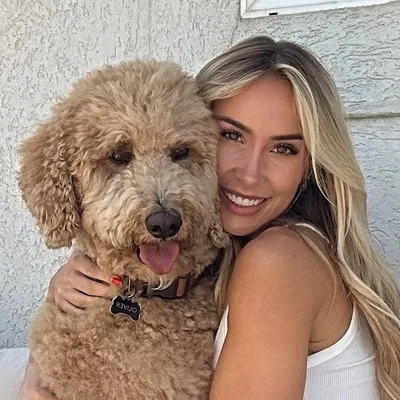
Kat & Oliver
@girlandadoodle
2M
38.1% ER
Karissa Manzi
@karissastevens_
1.9M
1.4% ER
Lisa Morales Duke
@misslisamorales
1.9M
0.5% ER

EJAE
@ejae_k
1.9M
15.0% ER

Nicky Rothschild
@nickyhilton
1.7M
0.0% ER
Kier Gaines
@kiergaines
1.6M
7.6% ER

Amyah Bennett
@amyah_gymnast
1.5M
1.5% ER

Magnus The Therapy Dog
@magnusthetherapydog
1.4M
29.9% ER

Brooke Raybould
@brookeraybould
1.2M
2.7% ER
This is just the top of the list — millions of profiles across several social networks
Sign up free to browse the full segment, filter by size, engagement and location, and export shortlists.
Unlock the full list — free
instme Top Parenting & Family Creators in the USA — ranked live
About the parenting & family creators in the usa space
From school-morning routines to honest newborn updates
A toddler refuses shoes five minutes before preschool; the camera cuts to a parent packing lunch, negotiating the meltdown, and explaining what actually worked. That kind of practical, lived-in content sits at the center of U.S. parenting creators.
This segment includes pregnancy and newborn care, toddler behavior, school-age routines, family meals, homeschooling, special-needs parenting, co-parenting, single-parent life, dad-focused content, mom humor, and product-heavy “what we use” recommendations. Formats vary by platform: quick problem-solution clips on TikTok, carousel checklists and Reels on Instagram, and longer routines, day-in-the-life videos, and product reviews on YouTube.
Creator archetypes are broad. Some are educators, nurses, therapists, teachers, or lactation consultants who bring professional context. Others are family vloggers, working parents, budget planners, meal-prep creators, or comedy accounts built around the chaos of raising children. Audiences usually come for reassurance first, then utility: sleep ideas, lunch inspiration, toy recommendations, travel tips, developmental context, and a sense that another parent is dealing with the same messy day.
Compare this market with top music creators in the USA and top parenting & family creators on Instagram in the USA — same live rankings, same data pipeline.
Partnerships that fit family decision-making
Parenting content works best when the product has a clear role inside real household routines. Strong collaborations often show a stroller on a grocery run, a snack in a lunchbox, a car seat during a road-trip prep video, or an app inside a bedtime or homework routine. The placement should answer a parent’s immediate question: will this save time, reduce stress, be safe, or make family life easier?
Formats that tend to fit the category include routine integrations, before-and-after problem solving, product demonstrations, seasonal gift guides, shopping hauls, comparison videos, and longer YouTube reviews for higher-consideration purchases. Instagram is useful for saved checklists and repeat exposure, TikTok for fast relatability and discovery, and YouTube for deeper explanations where parents want more detail before buying.
Pricing is usually driven by audience trust, content production demands, family involvement, usage rights, exclusivity, and whether the creator is expected to test the product over time. Child-related content also carries extra scrutiny. Brands should expect creators to be selective about safety claims, age appropriateness, privacy, and how children appear on camera. A simple scripted endorsement rarely performs as well as a specific use case, especially when the creator explains what changed in their routine and what did not.
Planning a campaign here? Our playbook on managing creator campaigns as an agency covers strategy, pricing and measurement.
Signals of trust in U.S. parenting accounts
Audience size matters, but parenting is a trust-led category. The U.S. parenting segment tracked here has an average engagement rate of 7.27%, with an average follower count of 254,861 and a verified share of 45.8%. The account-size mix is weighted toward micro creators at 47% and nano creators at 30%, with mid accounts at 14%, macro at 3%, and mega at 5%. That distribution makes it important to compare creators by fit and response quality, not only reach.
Useful metrics include saves, shares, comment depth, story replies, repeat views, and performance on posts that include product recommendations. Comments are especially revealing: parents ask follow-up questions when they trust the creator. Look for evidence that the audience matches the intended buyer, such as child age, location, household needs, and purchasing context.
Red flags include frequent unrelated sponsorships, exaggerated claims around health or development, unclear disclosure, comment sections filled with generic praise, or content that relies heavily on children without thoughtful privacy boundaries. Engagement spikes should be reviewed against the actual post topic; a viral tantrum clip may not translate into product credibility.
Current trends include more candid postpartum content, dad and co-parenting perspectives, neurodiversity-aware parenting, realistic lunch and dinner prep, budget-conscious family shopping, and less polished “real house” filming. The strongest creators combine usefulness with restraint: they show family life clearly enough to be helpful, without turning every moment into an ad.
All of these vetting signals come built into InstMe's influencer marketing platform — free reports on every profile above.
Market snapshot
How this segment breaks down by account size and platform — updated Sep 19, 2026.
Frequently asked questions
Related niches
Narrow it down
Broader segments
Charts for this market
Metric leaderboards for Instagram accounts in the USA — ranked by the numbers, refreshed daily.