
Top Fitness Creators in Russia
How does the market for fitness creators in Russia actually look? In short: the segment averages 72.6K followers at 10.79% engagement, and 83% of it is nano or micro accounts — the tier most brands lean on for authentic, budget-friendly collaborations. The data comes from InstMe's index of millions of profiles across several social networks.
Below you'll find the current top creators, a snapshot of how the segment splits by account size and platform, and answers to the questions brands ask us most. Everything refreshes automatically as our pipeline rescans profiles.
Millions
Profiles indexed across networks
72.6K
Avg. followers
10.79%
Avg. engagement
83%
Recently active
20.0%
Verified accounts
Top 21 creators
Ranked by followers
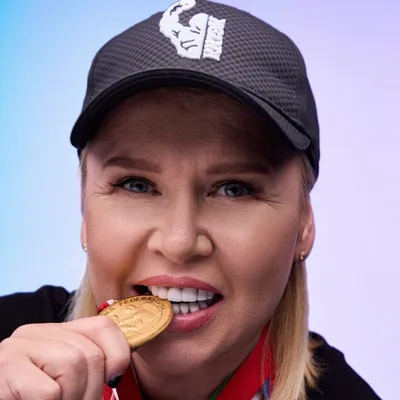
СВЕТЛАНА АНДРЕЕВА | ТРЕНЕР | МОТИВАТОР
@svetlana_andreeva_coach
872.5K
4.6% ER
Mikhail Shaidorov
@mikhail_shaidorov
321.5K
10.6% ER
Zlatko Dalic
@daliczlatko
310.3K
3.0% ER
Григорий Дрозд
@grigory_drozd
94.3K
20.1% ER
Yulia Stupak (Belorukova)
@yulia_belorukova
93.5K
11.8% ER

Дамир Идиятулин
@damiracer
86.9K
0.9% ER
Veronika Stepanova
@stepanova_nika01
84.6K
0.6% ER
Давид Белявский
@belyavskiydavid01
82.9K
19.9% ER

KRIDA Fitness Club
@kridafitness
33K
0.5% ER
𝓚𝓪𝓻𝓲𝓷𝓪 𝓔𝓯𝓮𝓷𝓭𝓲𝓮𝓿𝓪
@efendieva.karina
29.4K
100.0% ER
БИГ БОЙ
@byavdey
27.6K
6.3% ER
Ильмутдин Огурлиев
@ogurliev.coach
25.6K
100.0% ER
Dmitriy Balandin
@dmitriy_balandin_
18.2K
8.3% ER
Элина | ТРЕНЕР | СПОРТ | БЛОГЕР | АЛМАТЫ
@elina_athlete
16.3K
2.7% ER
LIZA KOLOSKOVA CHEER🐨
@lizoka
14.5K
0.8% ER
Илья Проценко
@ilyaprots
14K
4.4% ER
Nainunis a.k.a Naynbc
@naynbc
12.1K
4.3% ER

Yoga - Dance - Fitness. Almaty
@inclover_ydf
10.9K
0.6% ER
Artyom Ostapenko
@tennislifekz
9.6K
1.6% ER
КЛИНИЧЕСКИЙ НУТРИЦИОЛОГ | АННА
@annetka_
5.5K
0.6% ER
Лаборатория движения | Фитнес | Тюмень
@structura.lab
5.5K
0.9% ER
This is just the top of the list — millions of profiles across several social networks
Sign up free to browse the full segment, filter by size, engagement and location, and export shortlists.
Unlock the full list — free
instme Top Fitness Creators in Russia — ranked live
About the fitness creators in russia space
Russian fitness content: gym discipline, home routines, and practical coaching
Fitness creators in Russia are often less lifestyle-first than general creators: the strongest accounts tend to center on visible training discipline, technique, and repeatable routines. Common sub-genres include strength training, bodybuilding, calisthenics, yoga and stretching, running, Pilates-style home workouts, martial-arts conditioning, nutrition guidance, and weight-loss diaries. Winter-friendly indoor training, apartment workouts, and gym-based progression content are especially natural fits for the market.
Audiences usually come for instruction they can copy: exercise form, weekly plans, warm-ups, mobility drills, meal prep, recovery advice, and before-and-after documentation. On Instagram and TikTok, short demonstrations, transformation clips, and “mistakes to avoid” videos are common discovery formats. YouTube is better suited to longer follow-along sessions, full training splits, equipment reviews, and more detailed nutrition or coaching explanations.
The creator archetypes are varied: certified trainers building coaching funnels, competitive athletes, gym enthusiasts documenting personal progress, women-focused home fitness educators, yoga and mobility instructors, and creators who combine fitness with beauty, wellness, or family routines. Russian-language delivery matters because trust often depends on precise coaching cues, local food references, familiar gyms or outdoor settings, and an understanding of everyday constraints such as small apartments, seasonal weather, and variable access to equipment.
See how it stacks up next to top fitness creators and top music creators in Russia before you shortlist.
Partnership formats that fit Russian fitness audiences
Performance tends to come from usefulness rather than broad visibility alone. A sportswear integration is stronger when the creator trains in the product across several sessions; a nutrition or supplement mention is more credible when tied to meal timing, recovery, or a transparent routine. For fitness apps, equipment, activewear, gyms, healthy food, and wellness products, formats that show the product inside an actual training habit usually work better than isolated product shots.
Effective collaborations include short workout challenges, “train with me” sequences, technique tutorials using branded equipment, gym bag or recovery routine videos, recipe and meal-prep integrations, discount-code posts, and longer YouTube reviews where the creator explains how the product fits their program. Before-and-after storytelling can perform well, but it needs careful framing: audiences in this niche are sensitive to exaggerated body claims and unrealistic timelines.
Pricing is usually shaped by audience quality, coaching authority, platform mix, production effort, exclusivity, usage rights, and whether the creator can drive a measurable action such as sign-ups, orders, or trial starts. Verified status can also affect perceived credibility; in the available aggregate data, 29.0% of profiles are verified. Account size still matters, but this segment is weighted toward smaller communities: nano accounts represent 39% and micro accounts 52%, while mid accounts are 6% and macro accounts 3%. That distribution often favors niche relevance and trust over broad celebrity-style reach.
For briefs, pricing benchmarks and outreach templates, read our guide to influencer marketing for health & wellness brands.
Signals that separate credible trainers from generic fitspo
Fitness is a high-trust category, so evaluation should start with whether the creator’s advice is safe, consistent, and understandable. Look for clear form demonstrations, balanced programming, realistic progress claims, and comments that show followers are asking practical questions rather than only reacting to appearance. Credentials are useful, but so is evidence of responsible communication: modifications for beginners, injury-aware language, and avoiding medical or extreme diet claims.
The aggregate average follower count is 71,514, with an average engagement rate of 11.83%. Those figures are useful benchmarks, but engagement quality is more important than size. A smaller Russian fitness creator with detailed comments, saved workout posts, and followers reporting completed sessions may be more valuable than a larger account driven by passive views. On YouTube, watch time, repeat viewing, and comment depth matter; on TikTok and Instagram, saves, shares, completion signals, and recurring series performance are especially relevant.
Red flags include sudden audience spikes without matching comment quality, repetitive transformation content with unclear timelines, heavy use of stock exercise clips, unsafe technique, excessive supplement claims, or engagement dominated by generic emoji reactions. Also review whether the creator’s audience is actually Russian-speaking and whether the comments match the brand’s target geography.
Current content trends include short-form technique corrections, functional strength, mobility for desk workers, women’s strength training, hybrid gym-and-home plans, recovery routines, and more evidence-based nutrition explanations. Creators who can translate these trends into practical Russian-language routines are often better partners than accounts that only post aspirational gym imagery.
Skip the manual checks — InstMe's influencer search platform surfaces these signals automatically in every free report.
Market snapshot
How this segment breaks down by account size and platform — updated Sep 19, 2026.
Frequently asked questions
Related niches
Broader segments
Charts for this market
Metric leaderboards for Instagram accounts in Russia — ranked by the numbers, refreshed daily.