
Top Fashion Creators in the Philippines
InstMe keeps a live ranking of fashion creators in the Philippines across platforms, drawn from an index of millions of profiles across several social networks. The typical account here averages 25.7K followers with a 15.40% engagement rate — real numbers from our monitoring pipeline, not a directory that quietly goes stale.
One thing worth knowing before you scroll: 91% of the creators in this segment are nano or micro accounts (under 100K followers), the tier where engagement runs warmest and collaborations cost the least. Shortlist a few names below, then open any profile for its full free report: growth trend, audience quality, benchmarks and estimated media value.
Millions
Profiles indexed across networks
25.7K
Avg. followers
15.40%
Avg. engagement
77%
Recently active
25.6%
Verified accounts
Top 21 creators
Ranked by followers
Juri Yaoki
@juriyaoki
195K
2.1% ER
Chin Chin Obcena
@chinchinobcena
181.4K
0.1% ER
ʎʅʅǝɥS ( ✌︎'ω')✌︎
@ramenshelz
145.7K
12.3% ER
BANG
@bangpineda
122.7K
3.9% ER
aaronmangsat
@aaronmangsat
108.7K
0.0% ER
𝐈𝐫𝐚 𝐃𝐞𝐧𝐢𝐬𝐞 𝐎𝐲𝐜𝐨 𝐌𝐢𝐥𝐥𝐚𝐫𝐞
@iradeniseoyco
108.4K
0.3% ER
bianca ferro
@biancaferrox
103.1K
19.1% ER
Ashley
@r.ashleyy
87.1K
4.5% ER

Ally Salvador
@realallysalvador
86.1K
0.1% ER

Vee Tan | Fashion Designer
@veetanstudios
78.6K
23.3% ER
Kim 💜
@pastel.shark
65.6K
100.0% ER
DJ Marx
@djmarxmonterola
56.1K
0.5% ER
D C - L
@darylchang
52.7K
11.5% ER
Empire/Mercator Talent Agency
@empireph.mercator
46.4K
0.8% ER
EJ NACION
@ejnacion
42.7K
11.2% ER
SUZY 👑🩺
@uzizzy27
41.1K
3.0% ER
Bryan Gutierrez
@gtrrzbryn_
39.9K
16.7% ER
Jo Rubio
@jorubio_
32.3K
2.4% ER
Samantha Oliva
@samanthaolivafashiondesigner
30.1K
0.0% ER
Joefel Bayer
@jxfel
29.7K
19.8% ER
Maria Sesaldo Gigante
@mariagiant
27.9K
1.2% ER
This is just the top of the list — millions of profiles across several social networks
Sign up free to browse the full segment, filter by size, engagement and location, and export shortlists.
Unlock the full list — free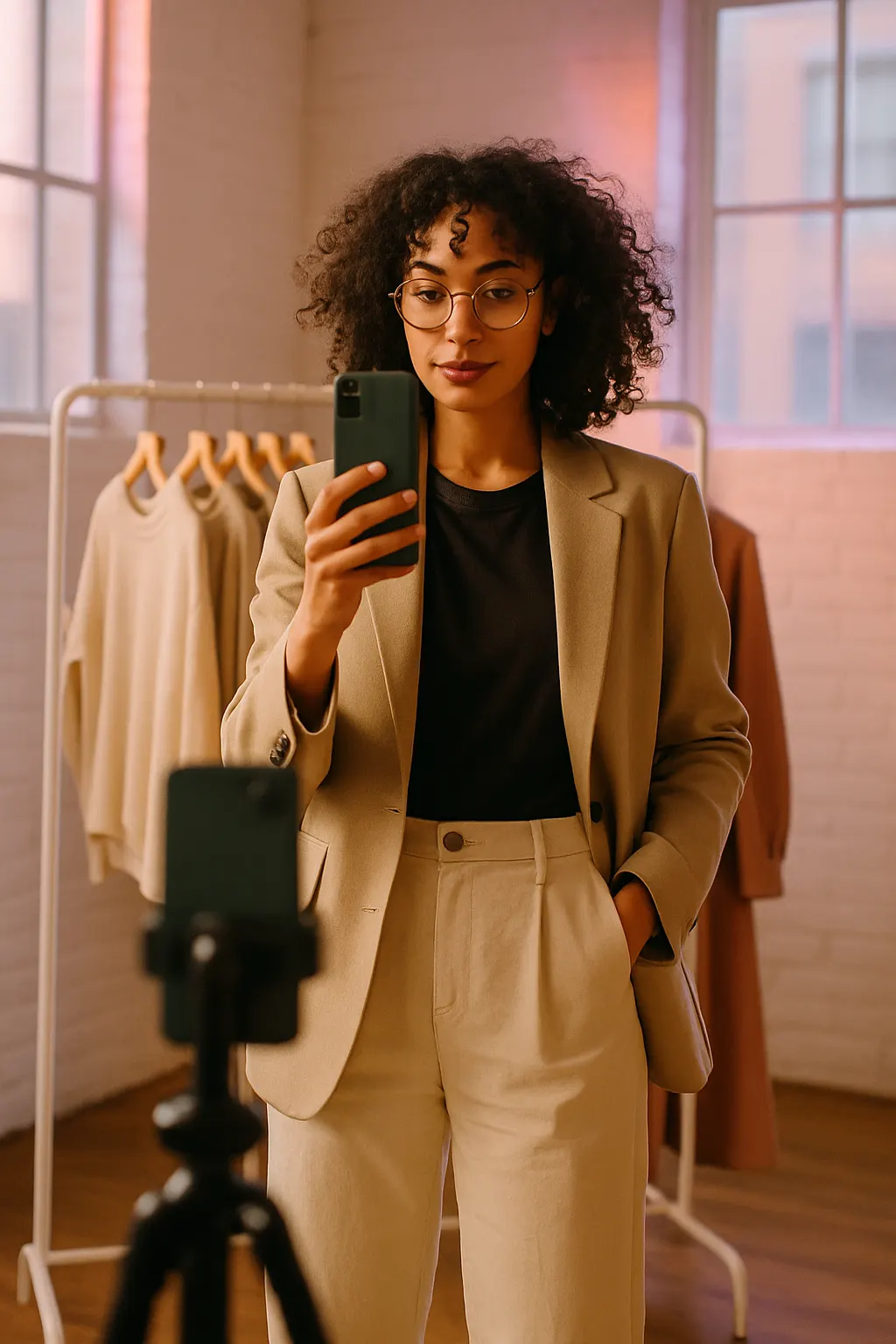
instme Top Fashion Creators in the Philippines — ranked live
About the fashion creators in the philippines space
From mall hauls to tropical formalwear: what Filipino fashion content covers
A typical post might start with a creator styling one linen shirt three ways for humid Manila weather, then cutting to mirror clips in sneakers, office trousers, and a woven bag. That practical, climate-aware styling is a large part of the appeal of fashion creators in the Philippines.
Content spans streetwear, modest fashion, ukay-ukay and thrift finds, campus outfits, workwear, wedding guest looks, beach and resort dressing, plus beauty-adjacent styling such as hair, fragrance, and makeup pairings. Instagram is often used for polished outfit grids, Reels, fit checks, and shopping tags. TikTok favors quick transitions, “get ready with me” videos, price comparisons, and trend-led styling challenges. YouTube tends to support longer hauls, closet tours, brand reviews, and travel wardrobe breakdowns.
Creator archetypes vary: the budget stylist who makes affordable pieces look current, the sneaker and streetwear collector, the polished corporate dresser, the petite or plus-size fit reviewer, the sustainable fashion advocate, and the lifestyle creator whose fashion content is tied to cafés, events, campus life, or travel. Audiences come for wearable ideas, not just aspiration. They want to know how fabric handles heat, whether sizing runs small, how an outfit photographs, and how to dress for real occasions in the Philippines.
Benchmark it against top fashion creators on Instagram in the Philippines and top fashion creators, ranked from the same live index.
Campaign formats that fit Filipino fashion behavior
Fashion partnerships work best when the creator can show movement, fit, and context. Static product shots can support a campaign, but try-ons, day-to-night styling, outfit formulas, and short styling challenges usually communicate more. For TikTok and Instagram Reels, quick changes, voiceover styling notes, and “where I’d wear this” formats make the product easier to understand. On YouTube, longer haul or review integrations are useful when the brand needs room for sizing, fabric, delivery, or wardrobe-building explanations.
Creators in this segment can support launches, seasonal edits, mall activations, online shop pushes, capsule collections, and event dressing campaigns. Local relevance matters. A creator showing how to style a blazer for air-conditioned offices and humid commutes may be more persuasive than a generic editorial look. For accessories, shoes, and bags, close-up usage shots and repeated appearances across posts help audiences see the item beyond a single placement.
Pricing is usually shaped by audience size, engagement quality, production effort, exclusivity, usage rights, turnaround time, and whether the brief requires multiple platforms. Video-heavy concepts, location shoots, and carousel posts with detailed styling notes can require more work than a simple story mention. Verified status can also influence perceived authority; in the available aggregate, 20.3% of profiles in this segment are verified. Still, fit with the brand’s customer is often more important than a badge.
Turn this research into results with our step-by-step guide to fashion influencer marketing.
Signals that separate useful style influence from surface reach
The account-size mix points to a segment led by smaller creators: nano profiles make up 52% and micro profiles 39%, while mid-sized profiles account for 9% in the provided aggregate. Average followers are 22,546, and the average engagement rate is 12.12%. Those figures suggest that marketers should look beyond reach alone and inspect how audiences respond to specific outfit, haul, and review posts.
Useful metrics include saves on outfit ideas, comments asking about sizes or links, story replies, click intent, video completion, and repeat engagement on fashion posts rather than unrelated lifestyle content. Engagement should be read in context. A smaller creator with consistent questions about fit, fabric, or price can be more valuable for conversion-oriented campaigns than a larger account with generic compliments and low product discussion.
Red flags include sudden shifts in audience geography that do not match the creator’s content, repetitive sponsored posts with little personal styling, comment sections filled with vague reactions, and outfit posts where the product is barely visible. Watch for over-edited images that hide garment fit, undisclosed partnerships, or creators whose audience responds to entertainment but not fashion recommendations.
Current content trends favor practical styling: capsule wardrobes, thrift flips, “wear it to work” edits, petite and plus-size try-ons, modest layering, local travel outfits, and budget-versus-premium comparisons. InstMe can help compare these signals across Instagram, YouTube, and TikTok, but the final shortlist should still be reviewed post by post for taste, consistency, and audience trust.
You don't have to check these by hand: InstMe's influencer discovery platform bakes them into every free report.
Market snapshot
How this segment breaks down by account size and platform — updated Sep 19, 2026.
Frequently asked questions
Related niches
Narrow it down
Broader segments
Charts for this market
Metric leaderboards for Instagram accounts in the Philippines — ranked by the numbers, refreshed daily.