
Top Coaches in the UK
How does the market for coaches in the UK actually look? In short: the segment averages 70.9K followers at 7.24% engagement, and 85% of it is nano or micro accounts — the tier most brands lean on for authentic, budget-friendly collaborations. The data comes from InstMe's index of millions of profiles across several social networks.
Below you'll find the current top creators, a snapshot of how the segment splits by account size and platform, and answers to the questions brands ask us most. Everything refreshes automatically as our pipeline rescans profiles.
Millions
Profiles indexed across networks
70.9K
Avg. followers
7.24%
Avg. engagement
75%
Recently active
48.3%
Verified accounts
Top 21 creators
Ranked by followers

Lukas Lakutsin
@lucaslakutsin
1.8M
0.2% ER

James Stirling - HOME WORKOUTS 💪🏻
@london_fitness_guy
1.5M
0.5% ER

Dmitrij Zakharchuk | Online Coach | Natural Bodybuilder 🇮🇹
@dimitri_fit
1.3M
0.1% ER
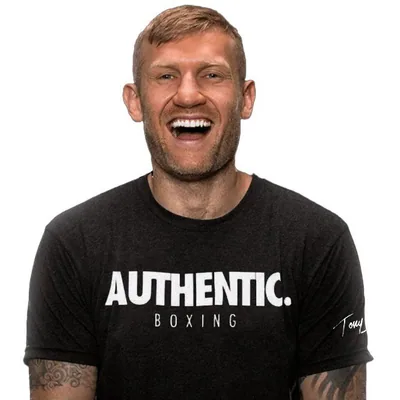
Tony Jeffries Boxing Coach | Fitness Educator
@tony_jeffries
1.1M
0.2% ER
Jimmy Bullard™
@1jimmybullard
592.9K
0.6% ER
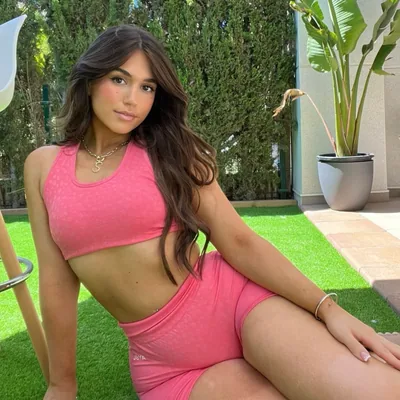
Silvia Merenciano Perez| ONLINE COACH 🤎
@silviamerencianoperez
583.6K
2.4% ER
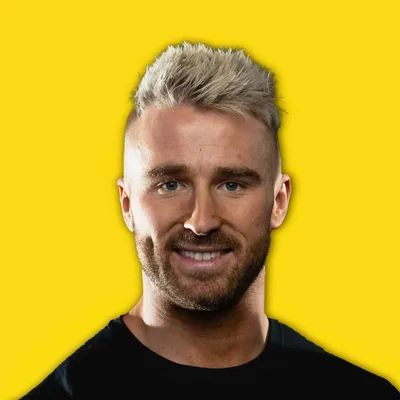
Worlds #1 Fitness Business Coach
@charliejohnsonfitness
499.3K
0.1% ER

Muhammad Bilal Iqbal
@bilal_kamoka_fitness
447.2K
0.1% ER
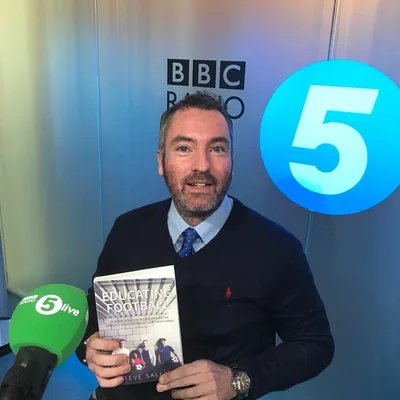
Steve Sallis - Mindset Mentor
@solutionsmindset
323.8K
0.5% ER
LDNM
@ldn_muscle
270.5K
0.0% ER
CARV
@carv.ski
254.2K
1.5% ER
Precious Ubani
@preciousubani_
251.6K
5.9% ER

Myles - Running Technique Coach
@findyourstridecoach
239K
0.8% ER

Oleksandr Kalinovskyi
@provocame
238.7K
0.3% ER
Zaafirah Rehana
@zaafirahrehana
236.8K
5.8% ER
Rajeev | UK Job Expert, Tech & Money
@rajeevsangwan04
227.2K
2.3% ER
Rory Williams | The Dad Coach
@rory_strongdad
227.1K
0.5% ER

Jack Eagles
@jack_eagles
226.8K
14.1% ER

Ivy Mango
@ivys_luxury_home
215.3K
6.8% ER

Kettlebell coach | Glen Weinstein | London UK Trainer
@thekb6ix
204.4K
7.8% ER
Søren Falby
@falby1
193.9K
0.6% ER
This is just the top of the list — millions of profiles across several social networks
Sign up free to browse the full segment, filter by size, engagement and location, and export shortlists.
Unlock the full list — free
instme Top Coaches in the UK — ranked live
About the coaches in the uk space
UK coaching content: practical guidance over pure inspiration
UK coaches differ from general lifestyle creators because the audience usually arrives with a problem to solve: career confidence, fitness consistency, leadership skills, nutrition habits, business growth, mindset, parenting, dating, or financial discipline. The content is less about documenting an aspirational life and more about translating expertise into repeatable steps.
Common sub-genres include executive and leadership coaches, personal trainers, wellness and habit coaches, business mentors, vocal or performance coaches, relationship coaches, and exam or study coaches. UK-specific context often appears in the examples: NHS pressures in wellbeing content, GCSE or A-level references in education coaching, London commuting routines in productivity posts, or small-business guidance tied to UK tax years and local markets.
Formats tend to be direct and instructional. On Instagram, coaches often use carousel frameworks, short talking-head Reels, client anonymised case studies, and Q&A stickers. TikTok favours fast myth-busting, “three mistakes” clips, and reaction-style advice. YouTube is stronger for long-form explainers, recorded webinars, guided workouts, interviews, and structured series. Audiences come for clarity, reassurance, and a sense that the creator understands their situation, not just for entertainment.
Compare this market with top coaches — same live rankings, same data pipeline.
Partnerships that fit a coach-led audience
The strongest commercial work in this segment usually gives the coach a credible teaching role. A productivity app, online course platform, fitness product, nutrition brand, workplace tool, book launch, or wellbeing service can perform well if the creator can show how it fits into a real routine or client-type scenario. Simple product placement is often weaker because coaching audiences expect reasoning, not just recommendation.
Useful formats include sponsored frameworks, challenge-based campaigns, live workshops, downloadable templates, routine walkthroughs, and before-and-after process stories. For example, a career coach might demonstrate how a tool supports interview preparation; a fitness coach might build a week of sessions around a piece of equipment; a business coach might use a software platform inside a planning tutorial. On YouTube, deeper integrations can work because the audience is already in learning mode. On Instagram and TikTok, concise advice with one practical takeaway tends to travel further.
Pricing is driven by more than follower count. Niche authority, qualification signals, audience income or decision-making power, content production quality, speaking ability, and the amount of advisory input required all matter. A coach with a smaller but highly specific audience can be more valuable than a broad motivational account. In this UK segment, brand fit also depends on regulatory sensitivity: health, finance, and career claims need careful wording and disclosure.
Planning a campaign here? Our playbook on creator marketing for agencies covers strategy, pricing and measurement.
Signals that separate trusted UK coaches from motivational noise
Coach selection should focus on evidence of trust. The average follower count for this segment is 81,016, with an average engagement rate of 4.62%, but those figures should be read alongside audience fit and comment quality. The account-size mix is weighted toward nano and micro creators, at 39% and 46% respectively, which makes sense for coaching: many effective creators serve a defined community rather than a mass audience. Mid-sized accounts make up 12%, while macro and mega accounts are a smaller share.
Engagement matters differently here than in entertainment categories. Saves, shares, long comments, repeat questions, and viewers asking for templates or sessions can indicate intent. Look for whether the creator can explain complex topics clearly, respond professionally, and maintain consistent boundaries between education and personal advice. A verified share of 52.3% may signal that many accounts have public credibility, but verification alone should not replace content review.
Red flags include generic motivational posts with little expertise, exaggerated transformation claims, unclear qualifications, recycled advice with no UK context, sudden engagement spikes, and comments that look repetitive or unrelated. For regulated topics, vague disclaimers or overconfident promises are especially important to check. Current trends include short diagnostic videos, “coach reacts” clips, newsletter-to-video repurposing, private community funnels, and more transparent content around burnout, neurodiversity, hybrid work, and sustainable fitness habits.
All of these vetting signals come built into InstMe's influencer marketing platform — free reports on every profile above.
Market snapshot
How this segment breaks down by account size and platform — updated Sep 19, 2026.
Frequently asked questions
Broader segments
Charts for this market
Metric leaderboards for Instagram accounts in the UK — ranked by the numbers, refreshed daily.