
Top Health & Wellness Coaches
InstMe keeps a live ranking of health & wellness coaches across platforms, drawn from an index of millions of profiles across several social networks. The typical account here averages 88.6K followers with a 6.77% engagement rate — real numbers from our monitoring pipeline, not a directory that quietly goes stale.
One thing worth knowing before you scroll: 85% of the creators in this segment are nano or micro accounts (under 100K followers), the tier where engagement runs warmest and collaborations cost the least. Shortlist a few names below, then open any profile for its full free report: growth trend, audience quality, benchmarks and estimated media value.
Millions
Profiles indexed across networks
88.6K
Avg. followers
6.77%
Avg. engagement
72%
Recently active
33.8%
Verified accounts
Top 21 creators
Ranked by followers
Ryan Fernando
@ryan_nutrition_coach
1.9M
0.3% ER
Nina Agdal
@ninaagdal
1.8M
1.9% ER

Elle 🐇
@veganbunnyelle
1.6M
5.4% ER
Teddi Mellencamp
@teddimellencamp
1.3M
0.6% ER
Kevin Clevenger | Online Coach
@ironsanctuary
1.2M
2.3% ER
Institute for Integrative Nutrition
@nutritionschool
1.1M
0.1% ER
KRISTA POOL | stayfitmom.com
@stayfitmom_krista
1.1M
0.4% ER
Kellie Fennell
@kelliefennellfitness
870.7K
0.2% ER

Lee Hammock
@mentalhealnesss
640.7K
1.7% ER

Kiran Sagar-Health & Fitness
@kiran_sagar_fitness
557.4K
1.5% ER
Dr. Alyssa Lu | Mobility
@proformance_sportstherapy
298.8K
1.5% ER
LDNM
@ldn_muscle
270.5K
0.0% ER
Sandra Vergara
@sandravergara
262.6K
8.6% ER
Ksenija Selivanova | Skin & Wellness Expert
@the_moments
234.2K
0.1% ER
Julia Navarro • Coach Nutricional
@juliainavarro
228.6K
0.8% ER
Women Empowerment & Entrepreneurship | Health & Wellness Biz
@fempowerment.inc
227K
0.2% ER
Talia De Luca | ONLINE WOMENS HEALTH COACH
@taldeluca
181.9K
1.3% ER
DY Nutrition™
@dynutrition
177.7K
2.1% ER
Molly White
@themollywhite
139.9K
2.3% ER
CLEAN NUTRITION
@cleannutrition
130.7K
1.4% ER
Donna Bartoli Skin Health & Anti-Inflammatory Living
@donna.bartoli
127.6K
0.3% ER
This is just the top of the list — millions of profiles across several social networks
Sign up free to browse the full segment, filter by size, engagement and location, and export shortlists.
Unlock the full list — free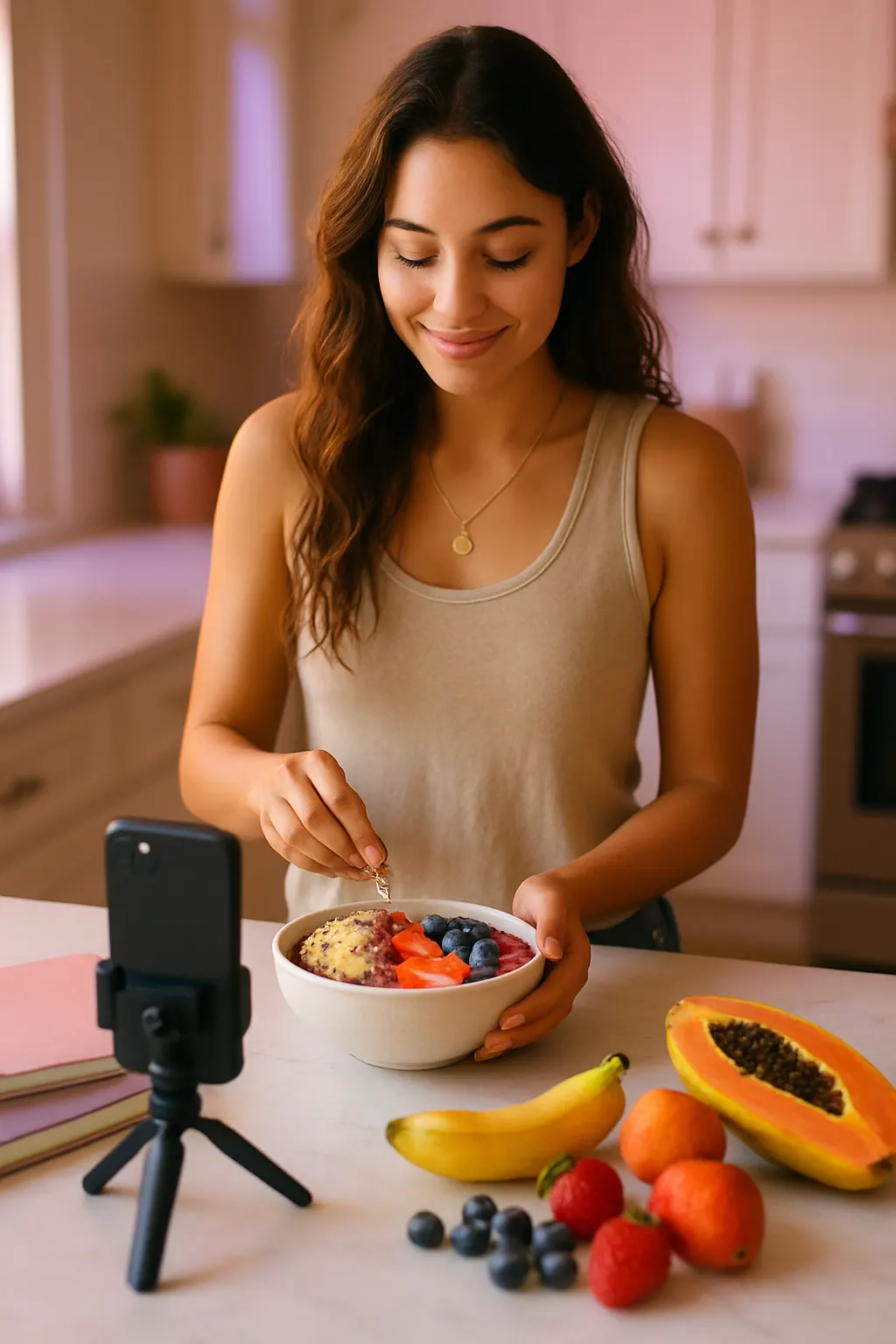
instme Top Health & Wellness Coaches — ranked live
About the health & wellness coaches space
Meal-prep videos, mobility drills, and habit coaching in one feed
A typical post might start with a health coach opening a fridge, showing three prepped lunches, then explaining why each plate includes protein, fiber, and a practical shortcut for a busy weekday. The next upload may be a 30-second mobility routine, a grocery-store walkthrough, or a calm talking-head clip about sleep, stress, hydration, or consistency.
Health coaches sit between fitness, nutrition, lifestyle, and behavior-change content. Some focus on weight management, metabolic health, women’s health, gut health, family wellness, or healthy aging. Others build their presence around daily routines: walking goals, realistic meal planning, morning structure, accountability check-ins, or mindset around long-term habits.
Formats vary by platform. Instagram often carries carousel tips, Reels, client-style transformations, recipe clips, and Q&A stickers. TikTok favors quick myth-busting, “what I eat” formats, day-in-the-life routines, and direct responses to audience questions. YouTube is better suited to longer explanations, grocery hauls, coaching frameworks, and structured wellness plans.
Audiences usually come for practical clarity. They want advice that feels achievable, not abstract. Strong health coaches translate broad goals into repeatable actions: what to buy, what to cook, how to structure a week, how to recover from setbacks, and how to make health routines fit real life.
Benchmark it against top coaches and top fitness coaches, ranked from the same live index.
Campaign ideas that fit health coaching behavior
Effective partnerships usually work best when the product can be integrated into a routine rather than simply shown on screen. A health coach can demonstrate how a food item fits into meal prep, how a wearable supports accountability, how an app helps track habits, or how a supplement is incorporated into a broader wellness plan with appropriate disclaimers.
Common formats include routine integrations, challenge-based content, educational carousels, recipe development, live Q&A sessions, short-form habit prompts, and longer YouTube explainers. For products with nuance, creators who can teach tend to perform better than creators who only present a polished lifestyle image. The audience is often looking for reasons to trust the recommendation and understand how it applies to them.
Performance is driven by credibility, clarity, and fit. Price expectations are influenced by follower size, engagement quality, platform mix, video production effort, exclusivity, usage rights, whitelisting, required credentials, and whether the creator is asked to develop original recipes, programs, or multi-week challenges. Verification can also affect perceived authority; in this segment, the verified share is 36.4%, which is notable but should not replace content review.
Compliance matters. Health claims, before-and-after framing, supplement language, and implied medical outcomes should be reviewed carefully. The safest collaborations keep claims specific, supportable, and aligned with the creator’s actual expertise.
Turn this research into results with our step-by-step guide to influencer marketing for health & wellness brands.
Reading the coach’s credibility beyond follower count
Health coaching is a trust category, so engagement quality often says more than size alone. The segment’s average follower count is 70,049 and the average engagement rate is 3.53%, but a smaller account with thoughtful comments, saved educational posts, and repeated audience questions may be more useful than a larger profile with passive reach.
Look at the balance between inspiration and instruction. Strong creators explain trade-offs, avoid one-size-fits-all promises, and show enough consistency for audiences to follow along. Useful metrics include engagement rate, comment substance, saves on educational posts, video completion signals where available, posting cadence, audience geography, audience interests, and the creator’s ability to move attention from quick tips into deeper consideration.
The account-size mix also matters for planning. Nano creators make up 54% of this segment and micro creators 36%, which means many health coaches are community-led and close to their audience. Mid, macro, and mega accounts can add reach, but they still need scrutiny for relevance and trust.
Red flags include extreme claims, fear-based messaging, undisclosed sponsorships, recycled medical advice without context, excessive focus on body transformation, or content that contradicts accepted safety guidance. Watch for sudden engagement spikes, repetitive comments, and a mismatch between the creator’s claimed specialty and their posting history.
Current content trends favor realistic meal systems, strength and mobility for longevity, hormone and gut-health conversations, wearable data, high-protein recipes, stress regulation, and “minimum effective habit” advice. The strongest creators make those trends understandable without overstating certainty.
You don't have to check these by hand: InstMe's influencer discovery platform bakes them into every free report.
Market snapshot
How this segment breaks down by account size and platform — updated Sep 19, 2026.