
Top Coaches in Australia
Here's the segment at a glance: the typical account among coaches in Australia across platforms holds 58.2K followers, earns a 10.10% engagement rate, and 34.0% carry a verified badge. Everything comes from InstMe's index of millions of profiles across several social networks, and it updates automatically.
The top accounts are listed below with followers and engagement side by side. If you take one tip from us, make it this: engagement usually predicts campaign results better than raw follower counts — especially among the 90% of this segment sitting under 100K followers. Sign up free to unlock the full list and advanced filters.
Millions
Profiles indexed across networks
58.2K
Avg. followers
10.10%
Avg. engagement
52%
Recently active
34.0%
Verified accounts
Top 21 creators
Ranked by followers
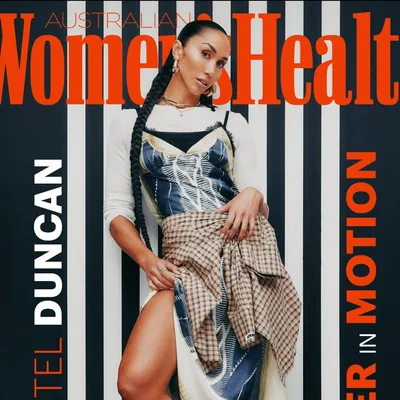
CHONTEL DUNCAN
@chontelduncan
1.2M
0.3% ER
JOHNNY WEIR
@johnnygweir
1M
1.5% ER

Poppi louiz🍒
@poppillouizz
826.5K
7.5% ER
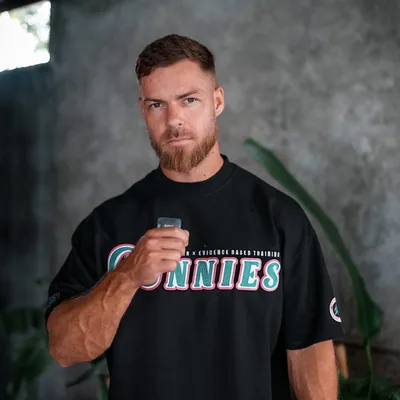
ADAM SULLIVAN (ebt)
@evidencebased_training
805K
0.9% ER
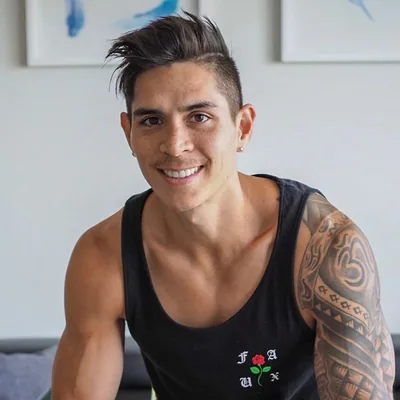
Gerard Hall | High Performance Body Coach for Women
@ghallfitness
683.8K
0.2% ER
Tinna Loaiza | Business and Branding Coach
@tinnaloaizaofficial
482.5K
0.1% ER

Dr Akram Ahmad | Global Healthcare Career Coach
@drakramahmad.australia
268.6K
0.1% ER
Steven Sahyoun | Rehab & Performance
@coach_steven_sahyoun
254.9K
0.6% ER
Luke Hawkins
@lukehawkins
236.7K
0.8% ER

CLAUDIA DEAN WORLD
@claudiadeanworld
212.6K
0.4% ER
Emma
@emmalouisie
202.5K
0.8% ER
CHAD HURST
@chad_hurstt
182.5K
0.2% ER
Sydney Mohni 🏳️🌈 UGC Creator & Coach
@sydneymohni
119.5K
1.2% ER
ALEKSANDRA DABROS Fitness Coach
@aleksandra_dabros
95.3K
0.8% ER
Jade Mead
@jademead1
83.2K
0.2% ER
AMBA SAVANNA | ONLINE COACH
@ambasavanna_
82K
8.9% ER
Letlifebecurvy
@letlifebecurvy
80.8K
0.6% ER
Ultimate Human Diet | Metabolic Coaching & Health Education
@theultimatehumandiet
80K
0.2% ER
Emily Dew-Gosling
@emilyascari_
73.7K
1.9% ER

Narpinder Singh | Fitness Coach
@narpinder_fitness
72.8K
1.6% ER
Lucy Gogel
@lucyellis_dance
70.2K
12.1% ER
This is just the top of the list — millions of profiles across several social networks
Sign up free to browse the full segment, filter by size, engagement and location, and export shortlists.
Unlock the full list — free
instme Top Coaches in Australia — ranked live
About the coaches in australia space
Australian coaching voices, from performance to personal change
Australian coaching creators cover a broad range of specialisms: fitness and strength coaches, running and triathlon coaches, nutrition and habit coaches, business mentors, career coaches, mindset and confidence coaches, parenting coaches, and sports-skill instructors. The strongest accounts usually make their expertise visible through repeatable frameworks rather than generic motivation.
On Instagram and TikTok, the common formats are short technique breakdowns, myth-busting clips, client Q&As, day-in-the-life training routines, checklist-style carousels, and reactive commentary on common mistakes. YouTube is more useful for longer tutorials, webinar-style explainers, session walkthroughs, and deeper education around training plans, leadership, wellbeing, or skill development.
Audience intent is practical. Followers come for clearer routines, accountability, local context, and confidence that a coach understands Australian conditions, seasons, workplaces, sporting culture, or lifestyle constraints. A Sydney-based strength coach, a regional business mentor, and a Melbourne career coach may all sit in the same broad creator type, but their audiences respond to different signals of credibility: qualifications, lived experience, client outcomes, communication style, and consistency.
Benchmark it against top coaches, ranked from the same live index.
Partnership formats that fit coaching content
Coaching content performs best when the brand can be integrated into advice, demonstration, or a structured improvement journey. Useful formats include sponsored tutorial videos, challenge series, habit trackers, product-in-use demonstrations, downloadable guides, live Q&A sessions, affiliate offers, and longer YouTube explainers that connect a product to a specific goal.
For fitness, sport, wellness, software, education, finance, productivity, and professional services brands, the most believable placements are problem-led: what the audience is trying to improve, what is getting in the way, and how the product supports the process. A coach explaining how they plan sessions, monitor progress, prepare meals, manage client communication, or build routines can make a brand role feel natural without turning the content into a direct ad.
Performance often comes from specificity. “Three ways to stay consistent with winter training” is usually stronger than a broad motivational post. Before-and-after claims need care, especially in health, finance, or wellbeing categories, where compliance, disclaimers, and realistic language matter.
Commercial value is shaped by more than follower count. Price-driving factors include coaching credentials, niche authority, audience location, production quality, cross-platform reach, usage rights, exclusivity, whitelisting, conversion history, and whether the creator can provide expert input as well as distribution. Verified status can also affect perceived authority; in this segment, 40.0% are verified in the aggregate data provided.
Turn this research into results with our step-by-step guide to creator marketing for brands.
Judge coach-fit by evidence of trust, not just reach
The central evaluation principle for Australian coaching creators is simple: assess whether the audience appears to trust the creator enough to act on their advice. Reach matters, but coaching influence is built through credibility, repetition, and visible audience reliance.
Start with engagement quality. The aggregate average engagement rate provided for this segment is 7.96%, with average followers at 63,783, but the context behind those numbers is more important than the numbers alone. Look for comments that ask follow-up questions, report progress, request clarification, or reference previous advice. Saves, shares, longer watch time, and repeat comment patterns can be more meaningful than likes, because they suggest the content is being used.
Size should be interpreted carefully. The account-size mix here is weighted toward smaller creators, with nano accounts at 54% and micro accounts at 34%, alongside mid at 9%, macro at 2%, and mega at 2%. For coaching, smaller accounts can be valuable if they have a focused audience and strong two-way interaction. Larger creators can offer broader awareness, but the best fit depends on whether their authority remains specific or has become too general for the campaign.
Red flags include vague credentials, exaggerated transformation claims, recycled motivational content with little practical instruction, comment sections filled with generic praise, sudden shifts in niche, and too many unrelated sponsorships. Also review whether the creator separates personal opinion from professional advice, especially in health, financial, or mental wellbeing topics.
Current trends include short diagnostic videos, “mistakes I see in clients” content, local event or season-based coaching, creator-led challenges, and longer educational breakdowns on YouTube that are repurposed into Instagram and TikTok clips.
You don't have to check these by hand: InstMe's influencer discovery platform bakes them into every free report.
Market snapshot
How this segment breaks down by account size and platform — updated Oct 23, 2026.
Frequently asked questions
Broader segments
Charts for this market
Metric leaderboards for Instagram accounts in Australia — ranked by the numbers, refreshed daily.