
Top Home & Decor Creators in Indonesia
Looking for home & decor creators in Indonesia? You're in the right place. This page ranks the segment's standout accounts by reach, pulled from InstMe's index spanning millions of profiles across several social networks. Creators here average 84.5K followers and 7.88% engagement, and the list quietly refreshes itself as our pipeline rescans profiles.
Beyond the ranking, the market snapshot further down breaks the segment into account sizes and platforms, so you can tell at a glance whether this niche is dominated by big established names or fast-moving smaller creators. Every profile links to a full free report.
Millions
Profiles indexed across networks
84.5K
Avg. followers
7.88%
Avg. engagement
77%
Recently active
18.0%
Verified accounts
Top 21 creators
Ranked by followers
Irene Suwandi
@ireneswnd
2.3M
7.3% ER

NIHI Sumba | Edge of Wildness™
@nihi
838.9K
3.1% ER
homedecor bdg homedecor bdg
@homedecor_bdg
606.3K
0.0% ER

Fabelio
@fabelio
251.5K
0.0% ER

Teppanku - Home Service Teppanyaki Pertama di Indonesia
@teppanku
159.8K
0.6% ER

Ditte Halide Hanoum
@ditte_id
149K
0.6% ER

Interior Design Jakarta s.2010
@dbinterior
106.9K
2.4% ER

DP+HS Architects
@dphs.office
86.8K
0.8% ER

UNLOCKED BBQ HOME SERVICE
@unlockedbbq
65.3K
1.8% ER

Creative Student Home | Kreatif, Inovatif, Imajinatif
@creshomeofficial
45K
0.4% ER
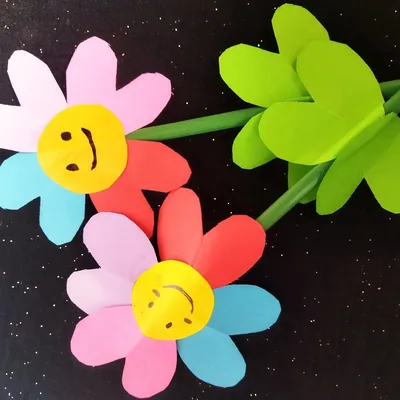
Nida Hamidia
@hamidia_craft
44.6K
2.4% ER

Taman Wisata Alam Wira Garden
@wiragarden.lampung
34.8K
0.4% ER

Bintaro Design District
@bintarodesigndistrict
31.8K
0.9% ER

Kantor Perwakilan Bank Indonesia DIY
@bank_indonesia_kpwdiy
30.4K
0.7% ER

ONNI House Surabaya
@onnihouse.sby
29.9K
0.2% ER

PA Home
@pahome.id
28.8K
12.1% ER

ONNI House Jakarta
@onnihouse.jkt
23.9K
0.7% ER

Stephenie PeneLope Tjioe 💍
@mrspenelope
23.7K
0.4% ER
Butter Baby
@butterbaby
23.2K
26.7% ER
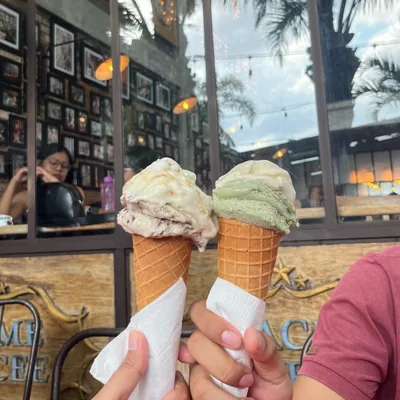
Hayrofi
@hayrofi_
20K
97.3% ER

Sun & Sand Sports Indonesia
@sssportsid
19.7K
1.4% ER
This is just the top of the list — millions of profiles across several social networks
Sign up free to browse the full segment, filter by size, engagement and location, and export shortlists.
Unlock the full list — free
instme Top Home & Decor Creators in Indonesia — ranked live
About the home & decor creators in indonesia space
Indonesian home decor content: rooms, routines, and renovation choices
Home decor creators in Indonesia cover a wide range of living situations: compact apartments, landed homes, rented rooms, family houses, kost spaces, and small commercial corners such as cafés or home studios. The strongest content is usually practical rather than purely aspirational. Audiences want ideas that can fit local layouts, climate, budgets, and shopping habits.
Common sub-genres include minimalist interiors, Japandi and Scandinavian-inspired spaces, warm neutral styling, storage hacks, kitchen organization, bathroom upgrades, nursery rooms, prayer-room corners, and seasonal refreshes around Ramadan, Eid, weddings, or moving house. Many creators also document renovations, before-and-after makeovers, furniture assembly, lighting changes, and cleaning routines.
Creator archetypes vary. Some are homeowners showing long-term improvements room by room. Others are renters focused on removable decor, compact storage, and low-commitment upgrades. There are also design-led creators with professional or semi-professional styling skills, DIY creators who build or restore items, and lifestyle creators whose home content appears alongside parenting, cooking, or daily routines.
On Instagram and TikTok, audiences often come for quick visual inspiration: reels, room tours, styling transitions, product close-ups, and short tips. YouTube supports deeper walkthroughs, renovation diaries, comparison videos, and shopping hauls. Across platforms, followers tend to value clear sourcing, realistic dimensions, local product availability, and proof that a setup works in daily Indonesian homes.
Compare this market with top fitness creators in Indonesia and top home & decor creators — same live rankings, same data pipeline.
What actually drives results in Indonesian decor partnerships
Useful transformations perform best: a messy corner becoming functional, a plain rental looking warmer, a small kitchen gaining storage, or a living room changing mood through lighting and textiles. Start with the visible problem and the finished result, then let the product explain itself inside that change.
Effective formats usually work backwards from that outcome. Short-form before-and-after videos are strong for paint, wallpaper, lighting, small furniture, storage, bedding, fragrance, and cleaning tools. Room-tour integrations work when the product is part of the space rather than placed as a separate ad. Step-by-step styling videos help audiences understand how to combine items, while YouTube is better for longer renovation stories, furniture reviews, appliance placement, and durability comments after use.
The product category should determine the brief. Decorative items need strong visuals, multiple angles, and context within a finished room. Functional products need demonstrations: measurements, installation, weight, cleaning, noise, heat, humidity, or ease of daily use. For higher-consideration purchases, creators should be given enough time to test and show the item in normal routines.
Pricing and deal structure are usually influenced by audience quality, platform mix, production effort, exclusivity, usage rights, turnaround time, and whether the creator must source props, restyle a room, shoot a full makeover, or include a longer review. Verified status can matter for trust and visibility, but it should not outweigh content fit. In this segment, only 15.4% of profiles are verified, so many valuable partners will be unverified but highly credible within their home niche.
Planning a campaign here? Our playbook on managing creator campaigns as an agency covers strategy, pricing and measurement.
Signals that separate usable home inspiration from weak inventory
Home decor decisions are visual, but creator assessment should not stop at aesthetics. The average engagement rate for this Indonesian segment is 5.56%, and the average follower count is 96,059, but distribution matters: nano creators make up 62% of the account-size mix and micro creators 31%, with mid, macro, and mega accounts each at 3%. That means many strong options are smaller profiles with concentrated trust and practical local relevance.
Engagement quality matters more than headline size. Look for comments that ask about product links, dimensions, materials, installation, room layout, color codes, or where an item was bought. Saves and shares are especially useful signals for decor content because audiences often collect ideas before purchasing. For YouTube, watch time, comment depth, and repeat renovation series performance can indicate stronger intent than a single viral upload.
Red flags include rooms that look heavily staged but never lived in, repeated product placements with little explanation, mismatched aesthetics across sponsored posts, poor disclosure habits, and audience comments that feel generic or unrelated to the room. Also check whether the creator can show the product clearly: Indonesian homes often have mixed lighting, compact rooms, reflective surfaces, and noise challenges that can affect production quality.
Current content trends favor realistic makeovers, renter-friendly upgrades, warm minimalism, hidden storage, multi-use furniture, local shopping references, and “what I changed in this room” storytelling. Strong creators are not just showing pretty interiors; they are helping viewers make decisions. For brand selection, prioritize creators whose past content makes it easy to understand problem, process, product role, and final result.
All of these vetting signals come built into InstMe's influencer marketing platform — free reports on every profile above.
Market snapshot
How this segment breaks down by account size and platform — updated Sep 19, 2026.
Frequently asked questions
Related niches
Broader segments
Charts for this market
Metric leaderboards for Instagram accounts in Indonesia — ranked by the numbers, refreshed daily.