
Top Fashion Creators on Instagram in Indonesia
Looking for fashion creators on Instagram in Indonesia? You're in the right place. This page ranks the segment's standout accounts by reach, pulled from InstMe's index spanning millions of profiles across several social networks. Creators here average 64.3K followers and 11.94% engagement, and the list quietly refreshes itself as our pipeline rescans profiles.
Beyond the ranking, the market snapshot further down breaks the segment into account sizes and platforms, so you can tell at a glance whether this niche is dominated by big established names or fast-moving smaller creators. Every profile links to a full free report.
Millions
Profiles indexed across networks
64.3K
Avg. followers
11.94%
Avg. engagement
78%
Recently active
33.0%
Verified accounts
Top 21 creators
Ranked by followers
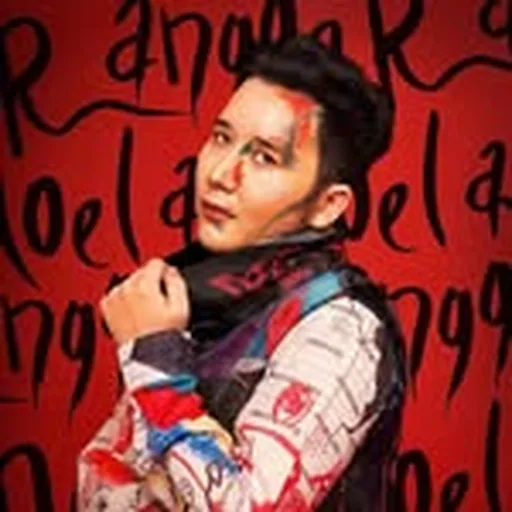
Rangga Moela
@ranggamoela
1.1M
0.0% ER
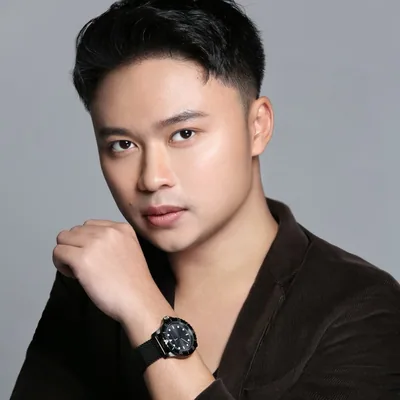
ADI RUSTANA
@adi_rustana
521.8K
1.3% ER
Amelia Elle
@ameliaelle
508.3K
2.0% ER

Racertees Foryou
@racertees_201
487.5K
12.6% ER
Soundharya Yuvaraj
@soundharyashetty_
473.9K
20.0% ER
HIAN TJEN
@hiantjen
471.8K
5.3% ER

BABYSHOP•STROLLER•FASHION•TOYS
@babyfamestore
327.4K
0.0% ER

JULIA KURSTEN
@juliakursten
264.6K
61.1% ER
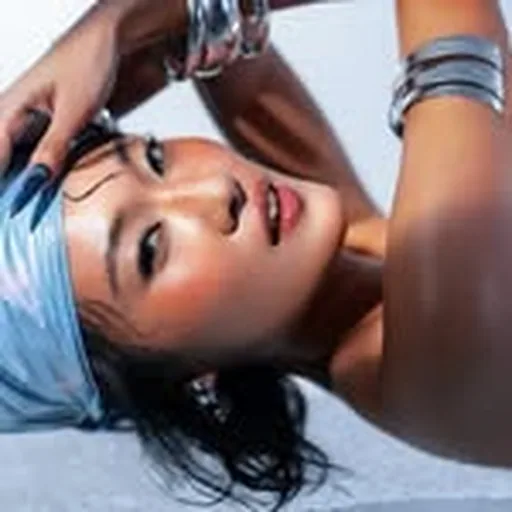
Ayu Gani 🐘
@ganegani
256.3K
2.6% ER

Harper's BAZAAR Indonesia
@bazaarindonesia
220K
0.3% ER
Angelina Rahma Annisa
@nissolasido
216.3K
100.0% ER
LIQUE ID ™️
@lique.id
184K
3.0% ER
Adithira Hanim
@tiraemon
142K
0.3% ER
Wong Hang Tailor
@wonghangtailor
123.1K
3.2% ER
delia_gt
@delia_gt
110.2K
0.3% ER

Panca Makmun
@panca_m
107K
1.3% ER
Evanny Wityo
@evannywityo
101.8K
1.4% ER
Gaga Antariksa
@gaga_antariksa
84.6K
0.2% ER
Muslim Fashion Festival
@muslimfashionfestival
84.4K
0.1% ER

maji.fashion
@maji.fashion
80K
0.1% ER
Valerie’s Closet
@valeriesclosetindonesia
77K
0.0% ER
This is just the top of the list — millions of profiles across several social networks
Sign up free to browse the full segment, filter by size, engagement and location, and export shortlists.
Unlock the full list — free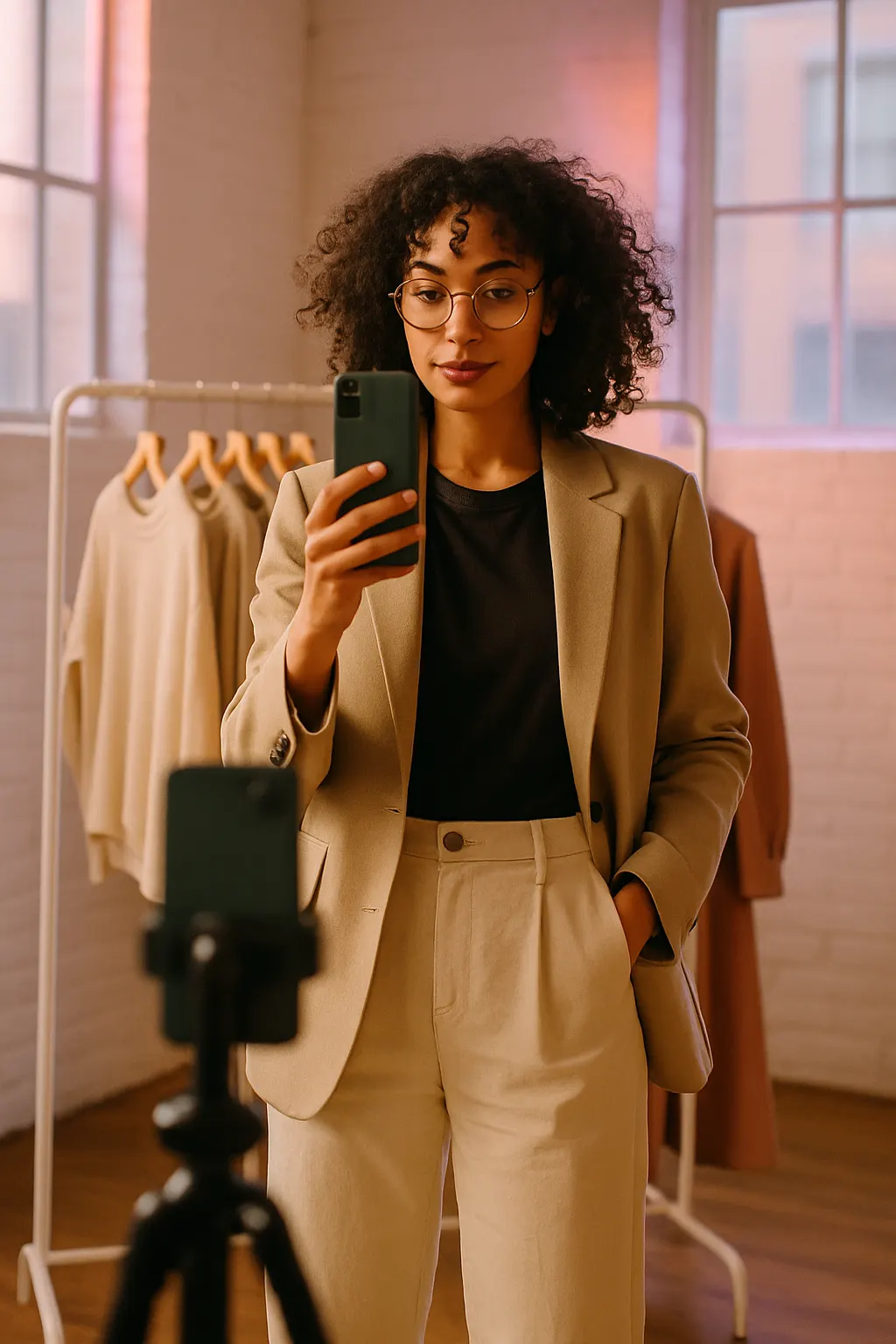
instme Top Fashion Creators on Instagram in Indonesia — ranked live
About the fashion creators on instagram in indonesia space
Indonesian Instagram fashion: modest wear, street style, and daily outfit cues
Fashion creators on Instagram in Indonesia cover a wide range of visual styles, from modest fashion and hijab styling to streetwear, local-label discovery, office outfits, occasion wear, thrift finds, sneakers, accessories, and beauty-adjacent styling. Many accounts mix aspirational looks with practical posts: carousel outfit breakdowns, Reels showing transitions, mirror-shot styling, store visits, fabric close-ups, and “how to wear” guides for specific settings such as campus, work, weddings, or travel.
Common creator archetypes include modest-style curators, trend-led Gen Z outfit creators, premium lifestyle-fashion profiles, local brand supporters, fashion photographers, stylists, and creators who combine fashion with beauty, food, or travel. Some are highly polished editorial accounts; others rely on everyday relatability, frequent outfit posts, and conversational captions in Indonesian or regional language.
Audiences usually come for wearable ideas rather than abstract fashion commentary. They want to see how an item fits on a real person, how it moves in video, whether it works in Indonesia’s climate, how to style it modestly or casually, and whether it feels appropriate for local social settings. For brands, this makes context as important as aesthetics: a creator’s wardrobe, location, body presentation, and posting rhythm all shape how credible the recommendation feels.
Benchmark it against top fitness creators on Instagram in Indonesia and top fashion creators on Instagram, ranked from the same live index.
What tends to move shoppers, then the campaign formats behind it
Clear styling utility usually performs better than a simple product pose. A Reel that shows three ways to wear a shirt, a carousel comparing outfit options, or a short try-on with honest fit notes gives followers a reason to save, share, and ask questions. In Indonesian fashion content, performance often comes from making the item feel usable: pairing it with existing wardrobe staples, showing modest and non-modest styling options, or placing it in a real routine such as commuting, campus, café visits, or Eid preparation.
From there, the strongest collaboration formats are straightforward: sponsored Reels, carousel lookbooks, affiliate or voucher-led posts, product seeding followed by organic-style try-ons, capsule collection launches, event attendance, store-opening content, and longer-term ambassadorships. For Instagram specifically, Stories are useful for reminders, polls, size questions, and link traffic, while feed posts and Reels do more of the brand-building work.
Price pressure is usually driven by audience quality, production effort, exclusivity, usage rights, turnaround time, category fit, and whether the creator must provide photography, styling, location, or multiple edited deliverables. Verification and scale can matter, but they are not the whole story. In this segment, the aggregate average is 110,007 followers with an 8.55% average engagement rate, while the account-size mix is mostly micro and nano profiles. That means many useful partnerships may come from creators who are not the largest but can show consistent outfit-led engagement and a close fit with the brand’s target customer.
Turn this research into results with our step-by-step guide to fashion influencer marketing.
Signals that separate useful fashion accounts from surface-level reach
The first metric to read is engagement in context. Saves, comments asking about sizing or links, Story replies, and repeated product questions are especially relevant for fashion because they indicate purchase consideration, not just passive liking. Engagement rate should be compared with account size and format mix; a micro creator with steady comments on outfit details may be more useful for a niche apparel launch than a larger account with broad but shallow attention.
Audience location, age, gender mix, language, and city concentration matter for Indonesia-focused campaigns. A creator may look relevant visually but have a large audience outside the intended market, or an audience more interested in lifestyle than fashion. Review recent posts, not just top posts: strong creators usually show consistent styling identity, clear product visibility, and a comment section that matches the content.
Red flags include sudden engagement spikes, repetitive generic comments, excessive sponsored posts with little category consistency, unclear disclosure habits, copied styling concepts, and feeds where the creator’s own taste changes completely from one paid post to the next. Also check whether branded content receives similar quality and interaction to organic outfits.
Current content trends favor short styling Reels, carousel outfit formulas, modest layering ideas, local-label recommendations, thrift and budget styling, “get ready with me” formats, and creator-led edits that feel less like catalog shoots. A practical evaluation should combine quantitative checks—followers, engagement rate, verification status, posting frequency—with qualitative judgment about taste, trust, and whether the creator can make the clothing feel believable in Indonesian daily life.
You don't have to check these by hand: InstMe's influencer discovery platform bakes them into every free report.
Market snapshot
How this segment breaks down by account size — updated Sep 19, 2026.
Frequently asked questions
Related niches
Broader segments
Charts for this market
Metric leaderboards for Instagram accounts in Indonesia — ranked by the numbers, refreshed daily.