
Top Art & Design Creators in Israel
Here's the segment at a glance: the typical account among art & design creators in Israel across platforms holds 73.1K followers, earns a 2.83% engagement rate, and 34.1% carry a verified badge. Everything comes from InstMe's index of millions of profiles across several social networks, and it updates automatically.
The top accounts are listed below with followers and engagement side by side. If you take one tip from us, make it this: engagement usually predicts campaign results better than raw follower counts — especially among the 91% of this segment sitting under 100K followers. Sign up free to unlock the full list and advanced filters.
Millions
Profiles indexed across networks
73.1K
Avg. followers
2.83%
Avg. engagement
75%
Recently active
34.1%
Verified accounts
Top 21 creators
Ranked by followers
Pnina Tornai
@pninatornai
1.3M
2.1% ER

Eyad Tannous اياد طنوس
@eyadtannos
746.7K
0.1% ER

Captain Hook
@djcaptainhook
178.6K
4.4% ER
Linor Abargil
@linorabargil
178.5K
2.6% ER
YA SALAM FASHION BLOG
@yasalamfashionblog
96.2K
0.1% ER

GunClubGoodie
@khujogoodie
90.3K
0.3% ER
KERENWOLF
@kerenwolf
78.1K
0.1% ER

𝗛𝗲𝗻𝘆𝗮
@henyaperez
47.4K
0.6% ER
David.art
@davidartai
44.1K
0.0% ER

מוזיאון ישראל, ירושלים
@israel_museum
40K
0.6% ER
BRENDO PHOTOGRAPHY
@brendo_photography
39.5K
0.7% ER
SHAI FRANCO
@shaifranco
35.5K
2.0% ER
Xstava 🎀 Stav Moshe
@xstava_
29.8K
4.2% ER
Alice Notcake
@alicenotcake
26.6K
0.9% ER
Israeli Watermelon
@israeliwatermelon
24.8K
9.3% ER
Addam Yekutieli aka Know Hope
@thisislimbo
22K
1.9% ER
GILAD SASPORTA
@giladsasporta
20.2K
3.2% ER

Nir Levie
@nirlevie
16.2K
1.2% ER
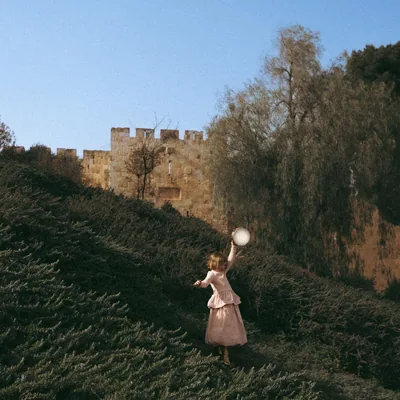
ISRAEL PHOTOGRAPHY 🧿 BY ATARA
@atarawhitman
15.8K
3.0% ER
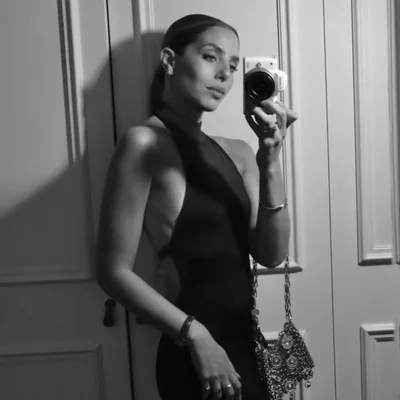
SHIR •makeup•eyelashes•brows
@shirgabay_makeup_
15.1K
3.3% ER
Laquerd
@laquerd_swim
12.1K
0.1% ER
This is just the top of the list — millions of profiles across several social networks
Sign up free to browse the full segment, filter by size, engagement and location, and export shortlists.
Unlock the full list — free
instme Top Art & Design Creators in Israel — ranked live
About the art & design creators in israel space
Israeli art voices, from studio practice to street-level visual culture
Art creators in Israel cover a wide range of visual disciplines: painters, illustrators, ceramicists, muralists, tattoo-adjacent artists, gallery educators, art-school graduates, digital artists, printmakers, photographers, Judaica makers, and creators documenting museum or exhibition culture. The segment also includes artists who blend Hebrew typography, local architecture, desert and coastal landscapes, religious symbolism, protest visuals, and contemporary design language.
On Instagram, audiences often expect finished works, process reels, studio visits, exhibition announcements, and carousel breakdowns of technique. TikTok tends to reward time-lapse painting, satisfying craft processes, before-and-after transformations, and short explanations of meaning or materials. YouTube is more suitable for longer studio diaries, tutorials, artist interviews, critique videos, and documentation of installations or public art.
Typical creator archetypes include the working studio artist selling originals or prints, the art educator translating technique for beginners, the culture guide covering galleries and museums, and the craft-focused maker whose content sits between art, decor, and design. Audiences come for inspiration, local cultural context, collectible work, practical techniques, and a closer look at how an artwork is made rather than only the final image.
Compare this market with top art & design creators and top music creators in Israel — same live rankings, same data pipeline.
Partnership formats that fit visual artists in Israel
The strongest collaborations usually give the creator a reason to make something, not just hold a product. Effective formats include commissioned artworks, limited-edition prints, branded murals, packaging illustration, live drawing at events, art-led product launches, studio-use demonstrations, and behind-the-scenes content showing how a piece develops. For museums, hospitality, real estate, fashion, beauty, home decor, stationery, food, and lifestyle brands, the creator’s visual identity often matters as much as their reach.
Content that tends to perform well in this niche has a clear visual payoff: blank canvas to completed piece, sketch to product, raw material to object, or location to installation. Short-form video is useful when the process is visually legible within seconds. Carousels work well for showing detail shots, stages of a commission, or context around a theme. Longer YouTube formats can support higher-consideration collaborations, especially when the brand wants education, storytelling, or documentation rather than a quick placement.
Price is commonly shaped by the complexity of the artwork, usage rights, exclusivity, production time, materials, location needs, and whether the brand receives a physical piece, digital assets, event participation, or only social content. Audience size matters, but in art partnerships the creator’s style, credibility, and ability to produce original assets can drive value more than follower count alone. Verified accounts make up 32.7% of the aggregate segment, which can be relevant for institutional trust, but it should not replace a review of creative fit.
Planning a campaign here? Our playbook on creator marketing for agencies covers strategy, pricing and measurement.
Judge the creator by visual authority, then read the metrics through that lens
For Israeli art creators, the central evaluation principle is visual authority: does the account show a recognizable point of view that people respond to, trust, and associate with the creator? Metrics are most useful when they confirm that authority rather than distract from it. A smaller artist with consistent saves, thoughtful comments, and repeat interest from collectors, students, or local cultural audiences may be more useful than a broad account with generic reactions.
The aggregate profile is weighted toward nano and micro accounts, with 44% nano and 51% micro, while mid accounts represent 4% and macro accounts 2%. Average followers are 39,646 and average engagement rate is 4.62%, but individual review should focus on quality of interaction: comments that discuss the artwork, ask about commissions, mention exhibitions, request prints, or respond to a technique. For Instagram and TikTok, check whether process videos hold attention beyond the first visual hook. For YouTube, look for sustained viewing, topic consistency, and comments that show learning or purchase intent.
Red flags include a portfolio that changes style dramatically only for sponsorships, low-effort product insertions, engagement made up mostly of vague praise, recycled trend formats that obscure the art, or a feed where the creator’s own work is hard to identify. Also watch for unclear rights around music, reference images, or collaborative artwork.
Current trends favor process transparency, local identity, handmade objects, public-art documentation, AI-versus-handmade discussions, and educational captions that explain concept, material, or cultural reference. The best partners turn those trends into evidence of authorship, not just decoration.
All of these vetting signals come built into InstMe's influencer marketing platform — free reports on every profile above.
Market snapshot
How this segment breaks down by account size and platform — updated Sep 19, 2026.
Frequently asked questions
Related niches
Broader segments
Charts for this market
Metric leaderboards for Instagram accounts in Israel — ranked by the numbers, refreshed daily.