
Top Fitness Affiliate Creators
InstMe keeps a live ranking of fitness affiliate creators across platforms, drawn from an index of millions of profiles across several social networks. The typical account here averages 228.6K followers with a 14.19% engagement rate — real numbers from our monitoring pipeline, not a directory that quietly goes stale.
One thing worth knowing before you scroll: 78% of the creators in this segment are nano or micro accounts (under 100K followers), the tier where engagement runs warmest and collaborations cost the least. Shortlist a few names below, then open any profile for its full free report: growth trend, audience quality, benchmarks and estimated media value.
Millions
Profiles indexed across networks
228.6K
Avg. followers
14.19%
Avg. engagement
67%
Recently active
36.4%
Verified accounts
Top 21 creators
Ranked by followers
🇮🇳 Ankit singh 🦍
@ankit_baiyanpuria
8.2M
16.2% ER
Diana Conforti | Pushing Together
@dianaconforti.fit
2.9M
1.9% ER
TASHIE
@tashie_net
2M
0.5% ER

Mohit sikarwar
@dr.destruction_
1.9M
3.4% ER
Ana Alonso
@ana.fitness.vsg
1.5M
0.6% ER

Joel Davies
@jdaverfit
817.9K
0.0% ER
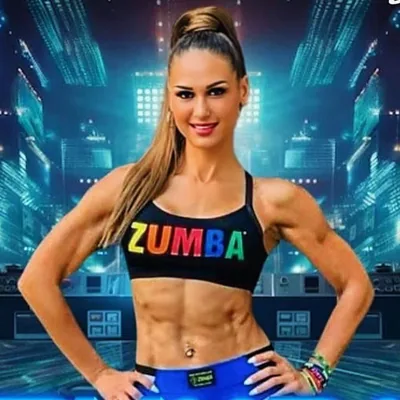
𝐒𝐔𝐙𝐘
@zumba.suzy
736.5K
6.0% ER
Ajaysharma
@ajju_fitness_007
649.7K
4.3% ER

Pawan Gupta(proud Indian 🇮🇳)
@pawanwushu
600.3K
1.7% ER

ana.fitness.vsg
@ana.fitness.vsg
589K
0.0% ER
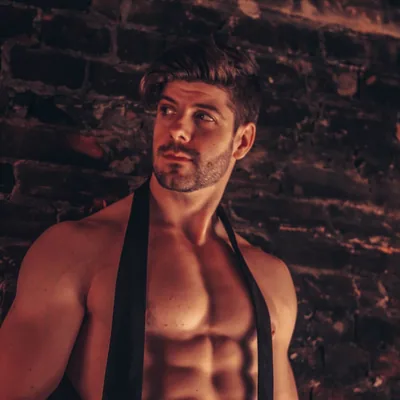
Nathan Weir
@nate.k.weir
560K
3.5% ER
Subhash P
@97subhash
413K
23.5% ER

Idania Soto
@idaniiasoto
360.2K
0.0% ER
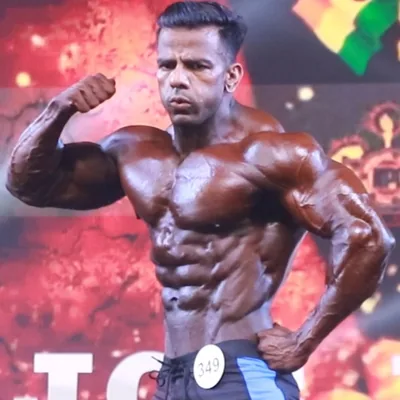
Siddhant Jaiswal
@unstoppablesid
352.4K
4.6% ER
Tchitsou Zoukon Yanick Tierri
@mighty_majester_jackedmechanic
339.1K
100.0% ER
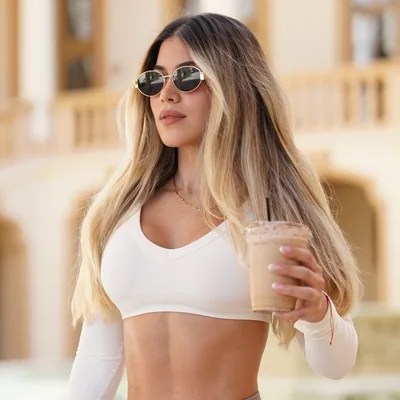
Linda De Figueredo
@lindadefigueredo
218.8K
2.1% ER
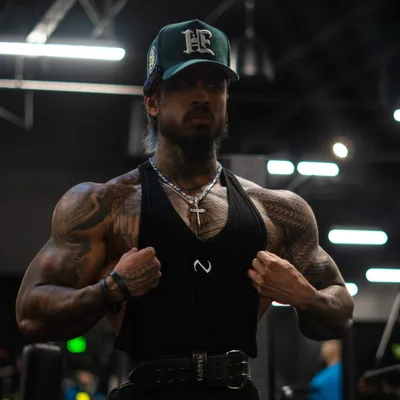
𝙳𝚓 𝚂𝚊𝚕 𝙼𝚘𝚗𝚎𝚢
@djsalmoney
210.3K
10.1% ER

REGGIES PICKS 🔒📈
@reggiespicks
196.4K
4.5% ER
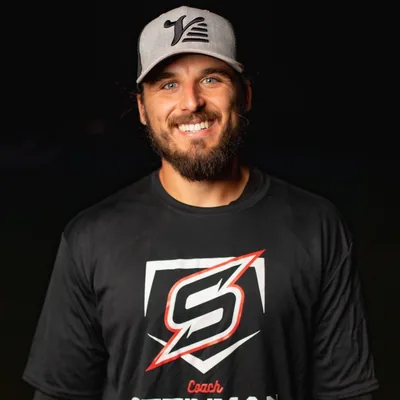
David Steinman
@coachsteinman
175.7K
0.0% ER
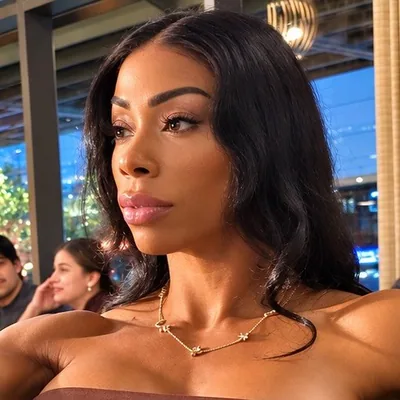
IFBB PRO Tracy N Williams (TNW)
@tracynwilliams
149.4K
3.2% ER
♥️ MS. OLYMPIA WHITNEY JONES
@whitneyjones_ifbbpro
132.8K
4.3% ER
This is just the top of the list — millions of profiles across several social networks
Sign up free to browse the full segment, filter by size, engagement and location, and export shortlists.
Unlock the full list — free
instme Top Fitness Affiliate Creators — ranked live
About the fitness affiliate creators space
Workout Proof, Program Breakdowns, and Affiliate-Led Fitness Niches
A creator films a 30-minute lower-body session in a garage gym, adds form cues over each set, then pins a protein powder code, resistance-band link, or training app trial beneath the post. That is the core rhythm of fitness affiliate content: useful instruction paired with a trackable product recommendation.
This segment includes strength training, running, mobility, home workouts, bodybuilding, Pilates, CrossFit-style conditioning, weight-loss journeys, activewear try-ons, meal prep, supplements, and recovery tools. Formats vary by platform. TikTok favors quick demonstrations, before-and-after progress clips, myth-busting, and “what I use” routines. Instagram adds reels, carousel workouts, Stories with codes, and saved highlights for routines or gear lists. YouTube supports longer tutorials, equipment reviews, challenge series, and full-program walkthroughs.
Typical archetypes include certified coaches, transformation creators, gym lifestyle creators, endurance athletes, parent fitness accounts, and review-focused product explainers. Audiences come for practical plans, visible progress, motivation, and purchase shortcuts from someone whose routine appears repeatable.
Compare this market with top fitness creators and top lifestyle affiliate creators — same live rankings, same data pipeline.
Where Affiliate Fitness Content Usually Converts
Performance tends to come from content that makes the product part of the training process, not a detached sales mention. A lifting-belt recommendation lands better when it appears during heavy sets with fit and use explained. A supplement code is more credible when placed inside a routine that shows timing, flavor, digestion, and how it fits the creator’s goals.
Common campaign formats include discount-code reels, link-in-bio product bundles, YouTube review videos, “day of training” integrations, challenge sponsorships, app trial pushes, and recurring Story or short-form reminders around restocks or launches. For apparel and equipment, try-ons, stress tests, sizing notes, and durability updates are useful. For digital fitness products, creators can show dashboards, workout flows, habit tracking, and onboarding rather than only naming the product.
Pricing is shaped by audience fit, platform mix, content rights, posting frequency, exclusivity, category credibility, production quality, and the creator’s proven affiliate performance. Verification can also affect perception; in the available aggregate data, 25.5% of profiles in this segment are verified. Size matters, but it is not the only lever. The mix includes many nano and micro accounts, which can be valuable when they have tight communities and a clear training niche.
Planning a campaign here? Our playbook on influencer marketing for health & wellness brands covers strategy, pricing and measurement.
Signals That Separate Useful Fitness Partners from Generic Gym Content
The strongest read is whether the audience treats the creator as a guide. Comments asking for exercise substitutions, sizing advice, meal adjustments, recovery tips, or links indicate purchase intent and trust. Engagement rate, saves, shares, video completion, repeat commenters, Story link activity, code usage, and YouTube watch depth all matter more than follower count alone.
The aggregate benchmark for this segment shows average followers of 336,010 and an average engagement rate of 12.27%, but individual fit should be judged against content quality, audience location, training style, and product category. Account-size mix also matters: nano accounts represent 39% and micro accounts 41% of the segment, while mid, macro, and mega accounts make up smaller shares. That means many options may be community-led rather than celebrity-led.
Red flags include unsafe exercise instruction, exaggerated body claims, undisclosed sponsorships, constant product switching, copied workout plans, suspicious comment patterns, and audiences that react only to physique posts but ignore recommendations. Current trends favor hybrid training, realistic meal prep, home-gym setups, mobility, wearable-style tracking content, and longer explanations that support short-form clips. Creators who can teach, demonstrate, and document results usually give brands more durable affiliate value.
All of these vetting signals come built into InstMe's influencer marketing platform — free reports on every profile above.
Market snapshot
How this segment breaks down by account size and platform — updated Sep 19, 2026.